 Sign In



 International
News release
From:
Scientists call for greater focus on conserving whole ecosystems instead of charismatic species
Researchers urge to prioritize ecosystem function in conservation measures of success
Conservation programs are often too focused on a single charismatic species, Hai-Tao Shi at Hainan Normal University in China and colleagues warn in a perspective article published December 2ndin the open-access journal PLOS Biology.
With many species worldwide experiencing population declines, there is an urgent need for conservation initiatives to support their recovery. However, this urgency, combined with insufficient scientific knowledge about endangered species, means that conservationists have often relied on oversimplified measures of success. For example, historical conservation efforts often focused on the abundance of a single charismatic species as a proxy for overall ecosystem health.
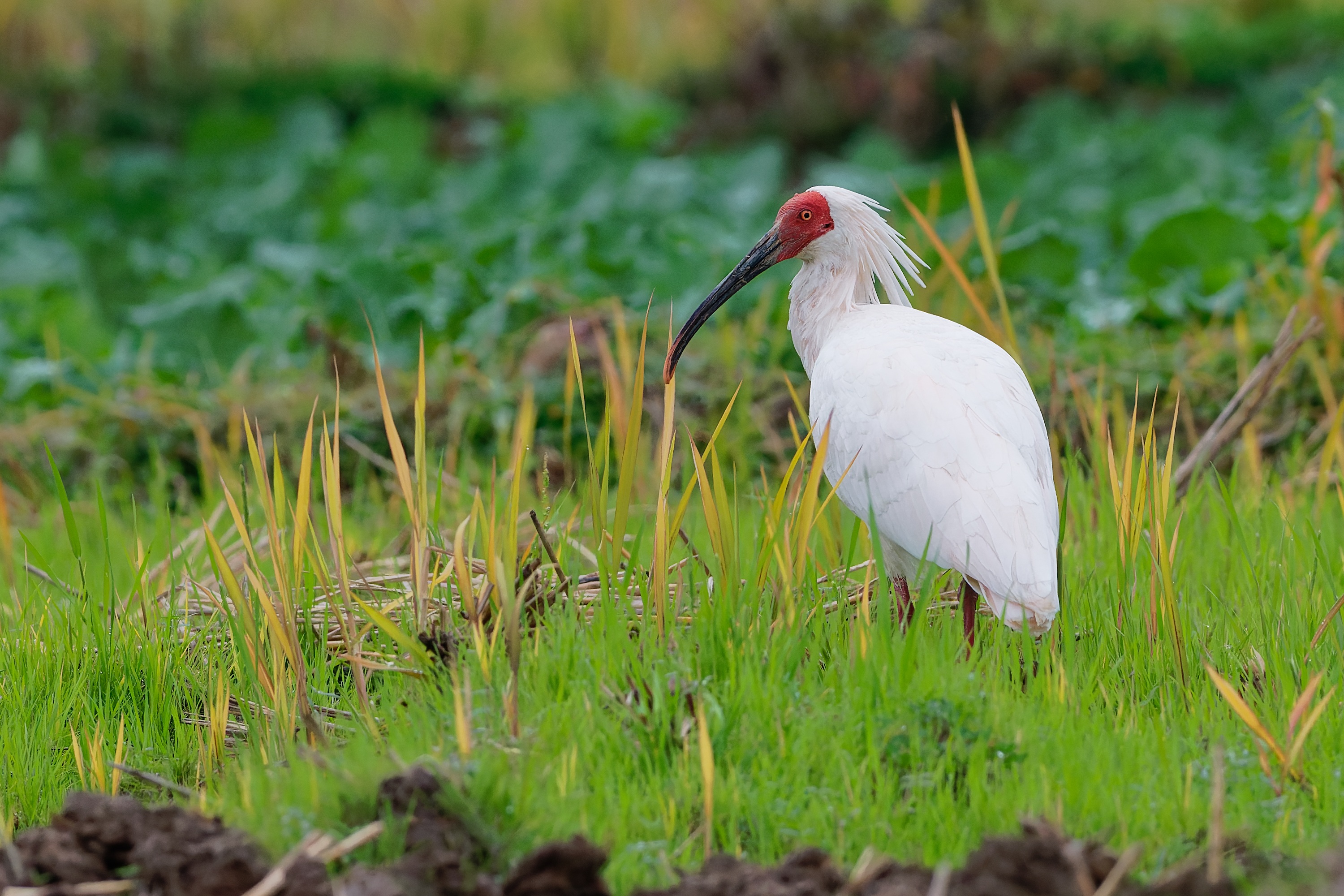
The authors highlight three examples from China where oversimplified conservation priorities led to negative outcomes. The Chinese giant salamander (Andrias davidianus) is known as a ‘cryptic species’, because it has multiple, genetically distinct populations that look identical to the naked eye. Unaware of this, conservationists began a large-scale captive breeding and reintroduction program, which led to genetic mixing that threatened native populations. In the case of the crested Ibis (Nipponia nippon) and Père David's deer (Elaphurus davidianus), intensive captive breeding and release programs with limited suitable habitat have resulted in overcrowding, inbreeding and increased mortality. Although well-intentioned, these initiatives have caused unforeseen issues for the ecosystem, and have often failed to improve the conservation status of the target species.
To avoid repeating these mistakes, the perspective article advocates for a more nuanced approach to conservation, focused on creating balanced ecosystems, restoring habitats and minimizing human intervention. Although there has recently been more emphasis placed on protecting whole ecosystems, charismatic species conservation is still prevalent in China and elsewhere. Conservation programs that aim to preserve and restore ecosystem functions are a more effective use of limited resources, and are less likely to have unintended consequences, the authors say.
The authors add, “Conserving non-megafauna charismatic species may not be effective when conservation outcomes are purely based on abundance and do not facilitate the restoration of long-term ecosystems and their functions.”
Attachments
Note: Not all attachments are visible to the general public. Research URLs will go live after the embargo ends.


