Mapping the toxins in seafood that can cause food poisoning

Publicly released:
Australia; New Zealand; Pacific; NSW
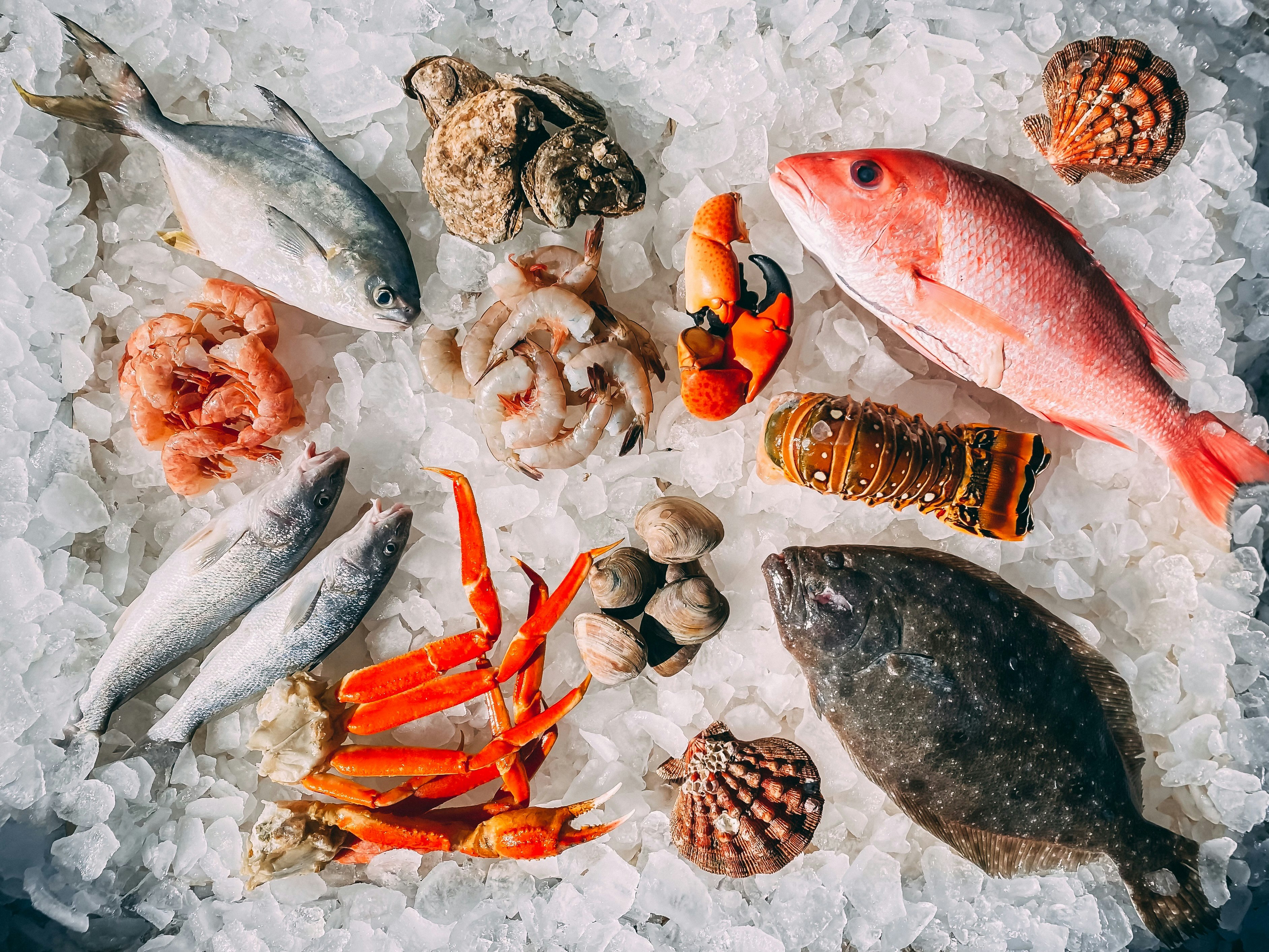
Photo by Mike Bergmann on Unsplash. Story by Lyndal Byford, Australian Science Media Centre

Researchers from Australia, NZ, the Cook Islands and French Polynesia, have helped to map the toxins known as ciguatoxins that are one of the most common causes of seafood-linked food poisoning. The toxins are produced by tiny marine microalgae, and they build up in fish and seafood, causing a type of serious food poisoning called ciguatera poisoning when eaten. Predicting the risks of these toxins at the local level has previously proved difficult. The research in the Cook Islands found that using a rare species of the microalgae, alongside a species of surgeonfish, helped to map the specific risk of ciguatera poisoning at a site.

Attachments

Note: Not all attachments are visible to the general public. Research URLs will go live after the embargo ends.

Research PLOS, Web page Please link to the article in online versions of your report (the URL will go live after the embargo ends).
Journal/
conference:
PLOS One
Research:Paper
Organisation/s: Cawthron Institute, NSW Government, University of Technology Sydney (UTS), Institut Louis Malardé, French Polynesia, Kōrero O Te `Ōrau, Cook Islands, Mauke, Cook Islands
Funder: S.M. was supported by an Australian Research Council Future Fellowship and a Hanse Wissenschaftskolleg Fellowship (Germany). New Zealand-based researchers were funded by the Ministry of Business, Innovation and Employment Strategic Science Investment Fund (SSIF) Seafood Safety research platform, contract number CAWX1801
Media Contact/s
Contact details are only visible to registered journalists.