Sign In



 International
News release
From:
Artificial lung system keeps patient alive without lungs until transplant
Humans can’t live without lungs. But Ankit Bharat’s patient did for 48 hours.
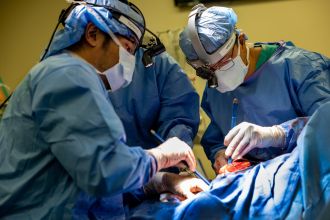
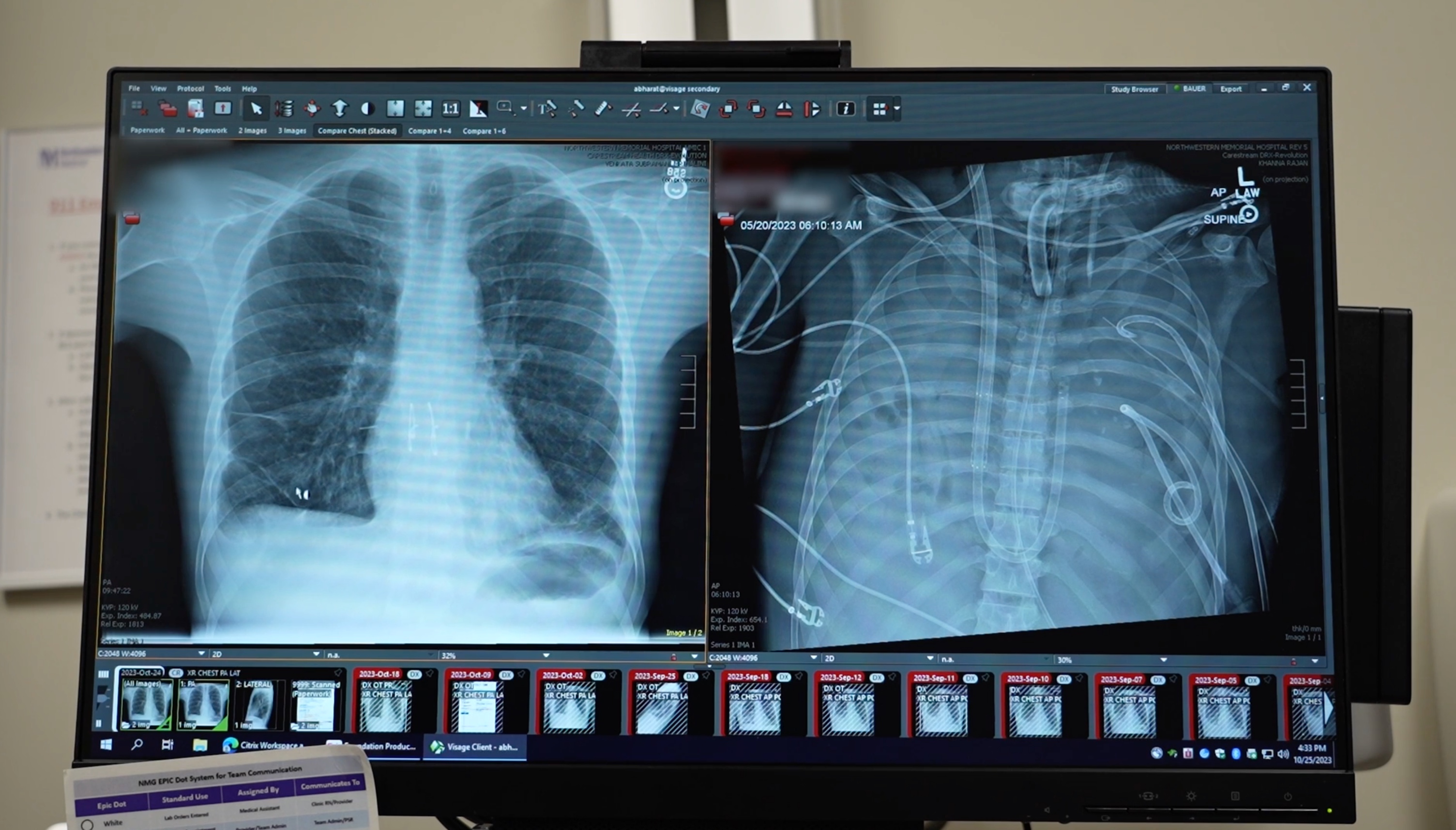
Reporting January 29 in the Cell Press journal Med, surgeons describe how they removed a patient’s infected lungs and built “artificial lungs” to keep him alive until a double lung transplantation was available. The work shows how the approach may serve as a life-saving bridge to transplantation.
“He was critically ill. His heart stopped as soon as he arrived. We had to perform CPR,” recalls Bharat, the lead author and a thoracic surgeon at Northwestern University. “When the infection is so severe that the lungs are melting, they’re irrecoverably damaged. That’s when patients die.”
The patient, a 33-year-old man, developed acute respiratory distress syndrome (ARDS), a life-threatening condition in which inflammation and infection overwhelm the lungs. Triggered by the flu, his lungs deteriorated rapidly and were further compromised by bacterial pneumonia. Eventually, his lungs, heart, and kidneys started to fail. A double lung transplant became his only chance of survival.
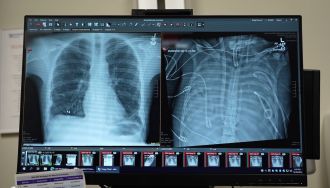
The lungs were damaged beyond repair and were fueling infection. But the patient’s body was too sick to accept new lungs; it needed time to heal.
“The heart and lungs are intrinsically connected,” says Bharat. “When there are no lungs, how do you keep the patient alive?”
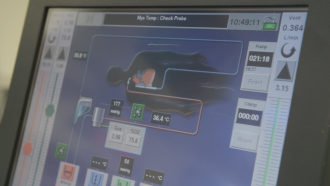
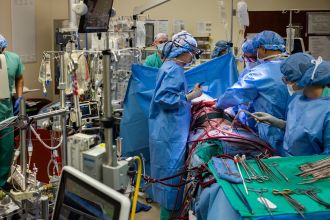
To solve the problem, Bharat’s team engineered an artificial lung system that temporarily replaced the lungs’ functions. The system oxygenated the blood, removed carbon dioxide, and helped maintain a stable blood flow through the heart and body while the patient had no lungs at all.
Once the infected lungs were removed, the patient’s condition improved. His blood pressure stabilized, organ function recovered, and the infection subsided. Two days later, donor lungs became available, and the surgeons performed a double lung transplant. More than two years later, the patient has returned to daily life with good lung function.
Multimedia