 Sign In



 International
News release
From:
Climate change: Greenland’s Prudhoe Dome melted during Holocene heat
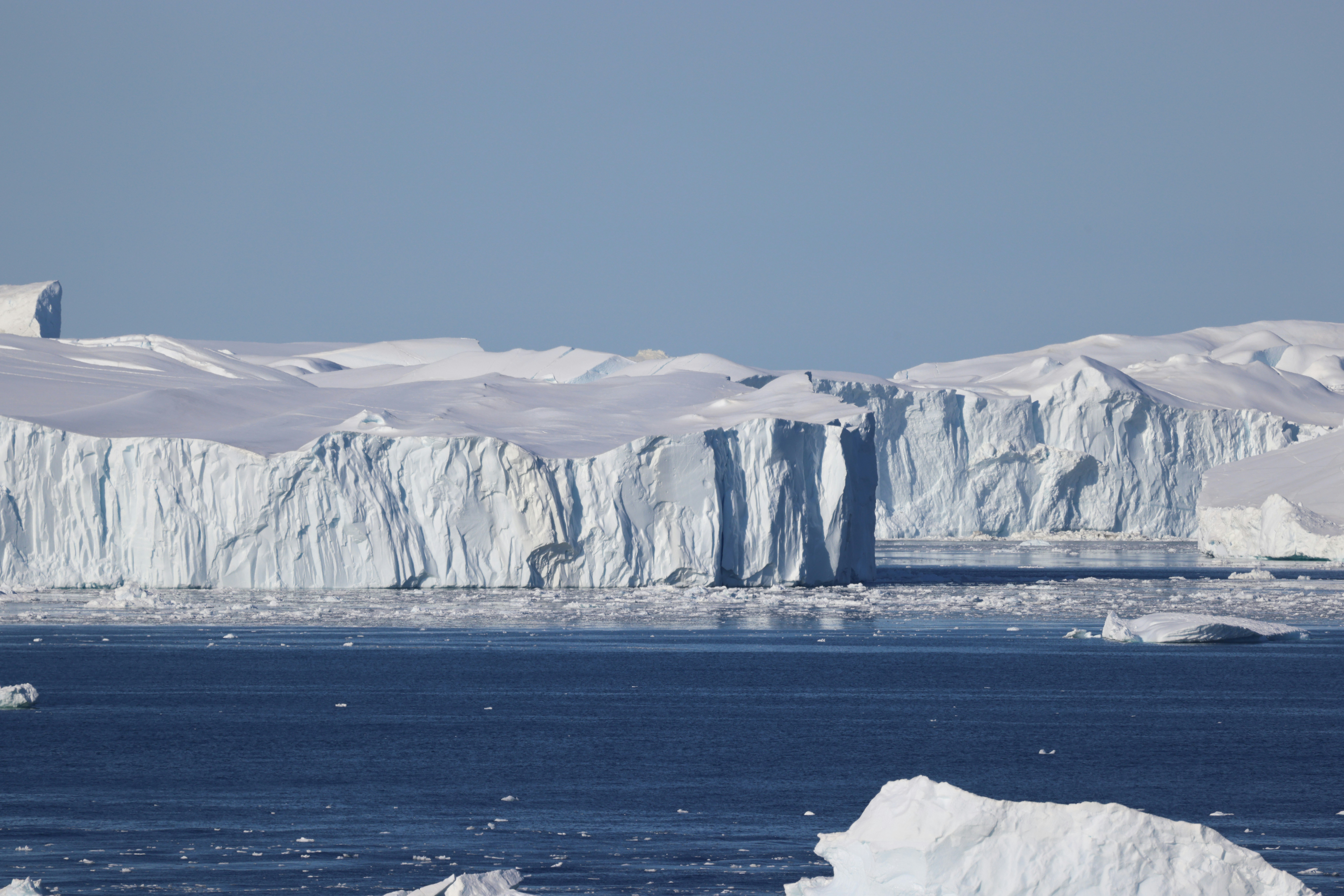
The Prudhoe Dome, currently a 500-metre-thick ice dome attached to the northwestern Greenland Ice Sheet, completely melted away approximately 7,000 years ago, according to a study published in Nature Geoscience. The findings highlight the sensitivity of Greenland’s ice sheet to warming and suggest that similar temperature increases expected by the end of this century could lead to similar ice mass loss and associated sea level rise.
Understanding how the Greenland Ice Sheet contracted in response to warm periods in Earth's history is important for predicting how it might change due to ongoing climate warming. Previous research has offered limited insights into how the ice sheet retreated inland because geological records remain buried beneath modern ice. This includes during the mid-Holocene about 1,000 to 5,000 years ago when regional temperatures may have been warmer than present.
Caleb Walcott-George and colleagues drilled through more than 500 metres of ice at Prudhoe Dome to collect sediment alongside ice core samples. They analysed the top layer of sediment and found that it was last exposed to sunlight about 7,100 years ago, suggesting that the area was ice-free at that time. Isotopic measurements of the ice immediately above the sediment also show that there is no ice remaining from the last ice age, supporting the idea that the dome melted completely before forming again. The authors also estimate that summer temperatures were about 3–5 °C warmer than today near the time that Prudhoe Dome melted, similar to what climate models predict for the year 2100.
The findings highlight the risk of future ice loss if warming continues, although it is unclear how long it would take for the Prudhoe Dome to melt under such conditions. The authors conclude that more samples from across Greenland need to be collected to map past ice retreat and improve forecasts for rising sea levels.
Attachments
Note: Not all attachments are visible to the general public. Research URLs will go live after the embargo ends.


