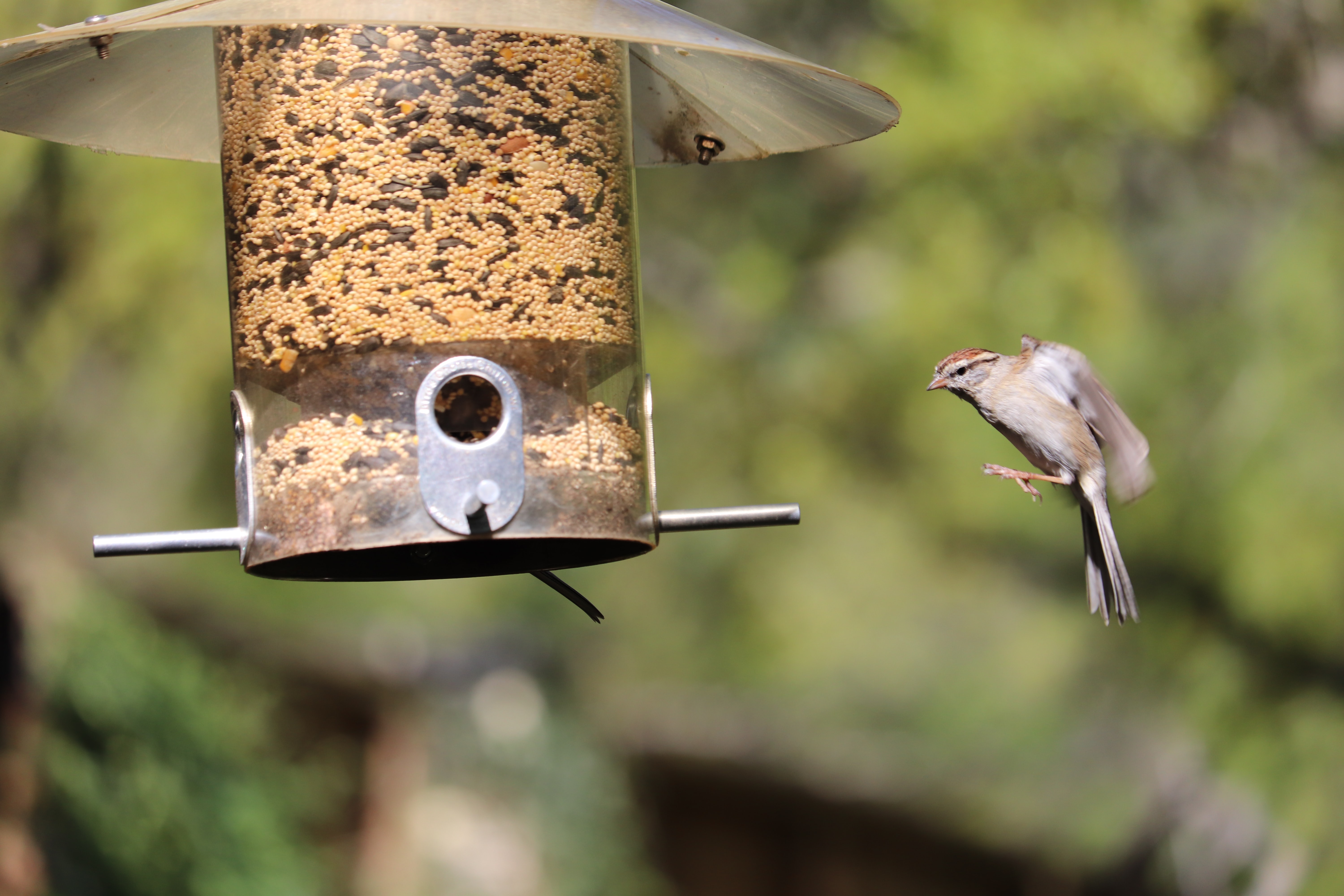
Think twice about feeding the birds

Publicly released:
Australia; International

Feeding birds in home gardens is common across countries, yet the impact of this extra food on wild birds is unknown. A study monitored the poo of blue tits across Scotland, revealing supplementary foods like peanuts were present in more than half of the samples. The extra food consumption was linked with a four-fold increase in blue tit breeding density. This study finds that bird species that ate extra food were growing in number, while those that don’t - or are outcompeted by blue tits - are likely declining. The authors suggest feeding by humans has wider impacts than currently thought - and this may disrupt ecosystems.

Media release

From: The Royal Society

Faecal metabarcoding reveals pervasive long-distance impacts of garden bird feeding

Proceedings of the Royal Society B: Biological Sciences

Garden bird feeding is an incredibly popular pastime, however the effect this massive addition of food has on ecosystems is unclear. Using molecular techniques to detect birdfood in blue tit poos across Scotland, we show that it is present in over half of poos, even a long distance from houses, and is commoner than any single natural food. Eating birdfood almost quadruples breeding blue tit densities, and UK woodland bird species eating garden birdfood are increasing. However, those that don’t are decreasing, possibly due to being outcompeted. Bird feeding may therefore be changing woodland bird communities across large areas.

Journal/
conference:
Proceedings of the Royal Society B
Research:Paper
Organisation/s: CSIRO, Manchester Metropolitan University (UK), University of Edinburgh (UK),
Funder: Funded by an NERC Doctoral Training Studentship (grant no. NE/1338530) to J.D.S. and faecal metabarcoding was funded by NERC (grant no. NE/I020598/1) to Ally Phillimore.
Media Contact/s
Contact details are only visible to registered journalists.