 Sign In



 Australia; SA; TAS
News release
From:
New footage exposes extent of harmful algal bloom damage in SA waters as scientists renew call for national reef monitoring
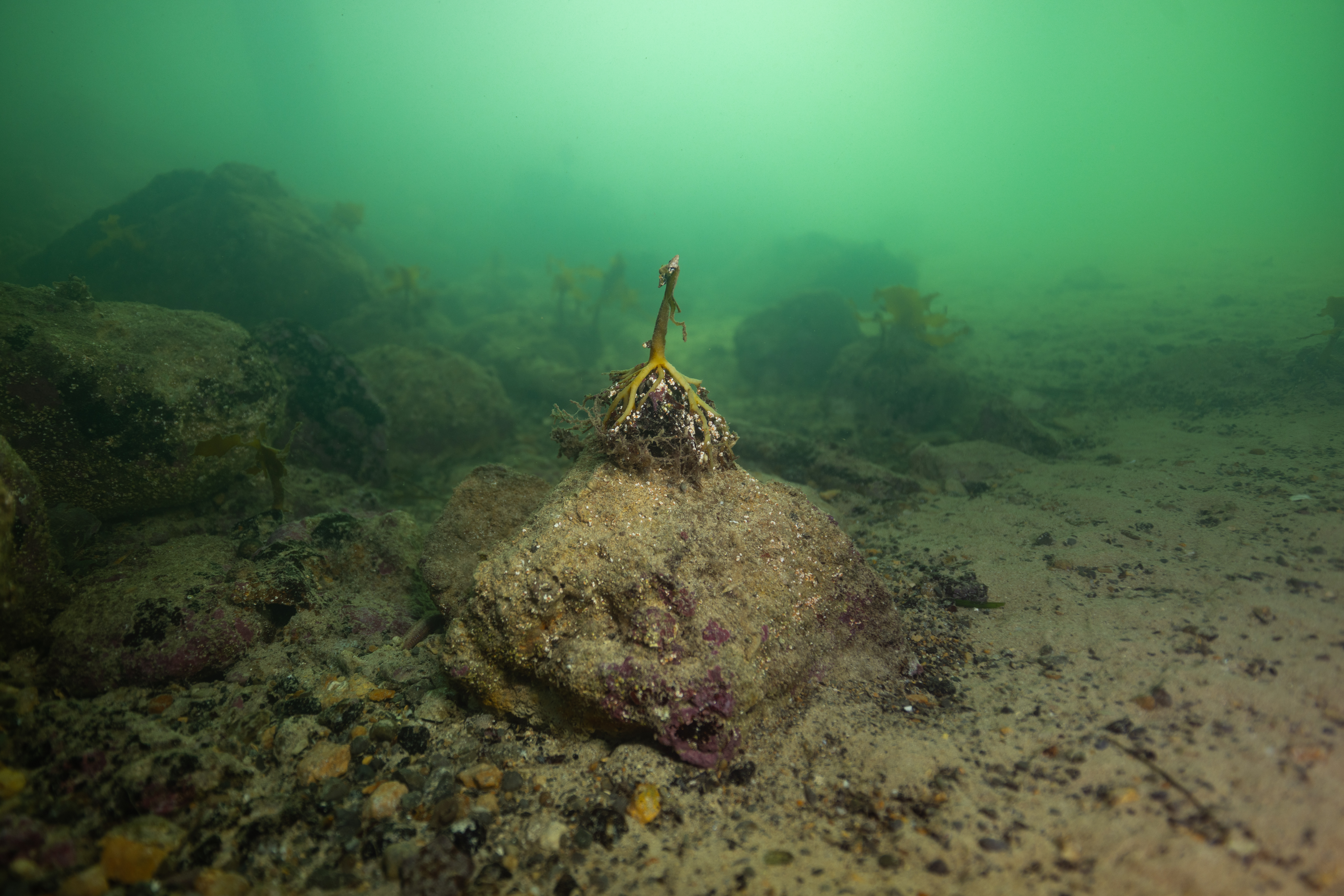
New findings from a dive survey expedition have revealed widespread reef damage in the wake of the state's persistent harmful algal bloom (HAB), prompting scientists to renew calls for a coordinated national reef monitoring program.
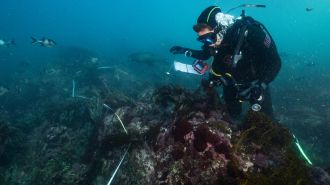
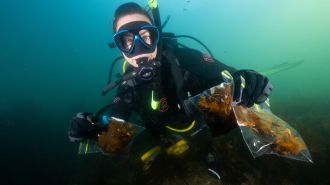
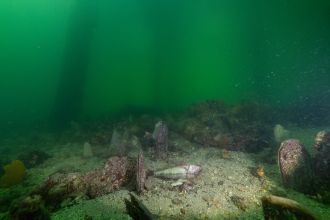
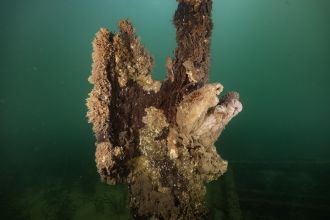
Led by Dr George Wood (Flinders University) and Dr Scott Bennett (Great Southern Reef Research Partnership), the expedition documented stark variation between sites, including high mortality of sessile invertebrates such as sponges, ascidians, corals and razor clams across many reefs, as well as patchy impacts on mobile species like abalone, urchins and fish.
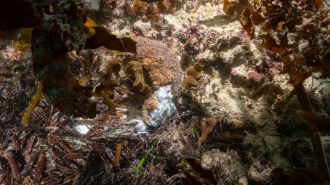
“In terms of impacts it is a mixed bag on the reefs that we have surveyed. Sessile invertebrates, so sponges, corals, razor clams etc have been the worst hit, with 100% mortality across most sites.” explained Dr. Bennett. “Mobile species of invertebrates and fish displayed mixed results with many dead or dying animals observed, but also many species alive and seemingly well for the time being.”
“Seaweed cover is holding on around Foul Bay, Marion Bay and Troubridge Point, but in other areas like Edithburgh, the signs of stress are clear,” he added.
There are also some hopeful signs: long-lived reef dwellers like rock lobsters and harlequin fish are still present at certain sites. However, the long-term effects on these species and the ecosystems they depend on remain uncertain.
Dr George Wood, an ARC Research Fellow at Flinders University, emphasised that without consistent, long-term monitoring, the full scale of ecological change will remain invisible.
“Most of what we’ve been able to quantify so far is animals washing up onshore. But to understand the full picture, we need to be underwater, monitoring what’s happening in the system itself. Without that baseline, it’s almost impossible to detect change or respond when these events hit,” Dr Wood said. “South Australia has some incredible reef systems, but we can’t protect what we don’t understand.”
The persistent HAB, dominated by harmful Karenia dinoflagellates, has affected marine life and coastal communities for several months. Almost 5,000 records of marine mortalities covering more than 350 species, have now been submitted by the public to the SA Marine Mortality Events project.
In response, the Great Southern Reef Research Partnership has formally called on the Federal Government to invest $40 million over ten years in a national reef monitoring program. The letter, a follow-up to an earlier 2023 appeal that went unheeded, highlighted the urgent need for coordinated, long-term monitoring to track the impacts of marine heatwaves and other climate-driven events, support reef management across jurisdictions, and protect the reef’s critical ecological, cultural and economic value.
“The time to act is now. We need more than reactive surveys at a handful of sites. We need properly funded, national, coordinated, long-term monitoring to protect the future of Australia’s temperate reefs,” Dr Bennett said.
Multimedia

Attachments
Note: Not all attachments are visible to the general public. Research URLs will go live after the embargo ends.


