 Sign In



 Australia; New Zealand; International
News release
From:
Are regulations addressing farm animal welfare issues during live transportation fit for purpose? A multi-country jurisdictional check
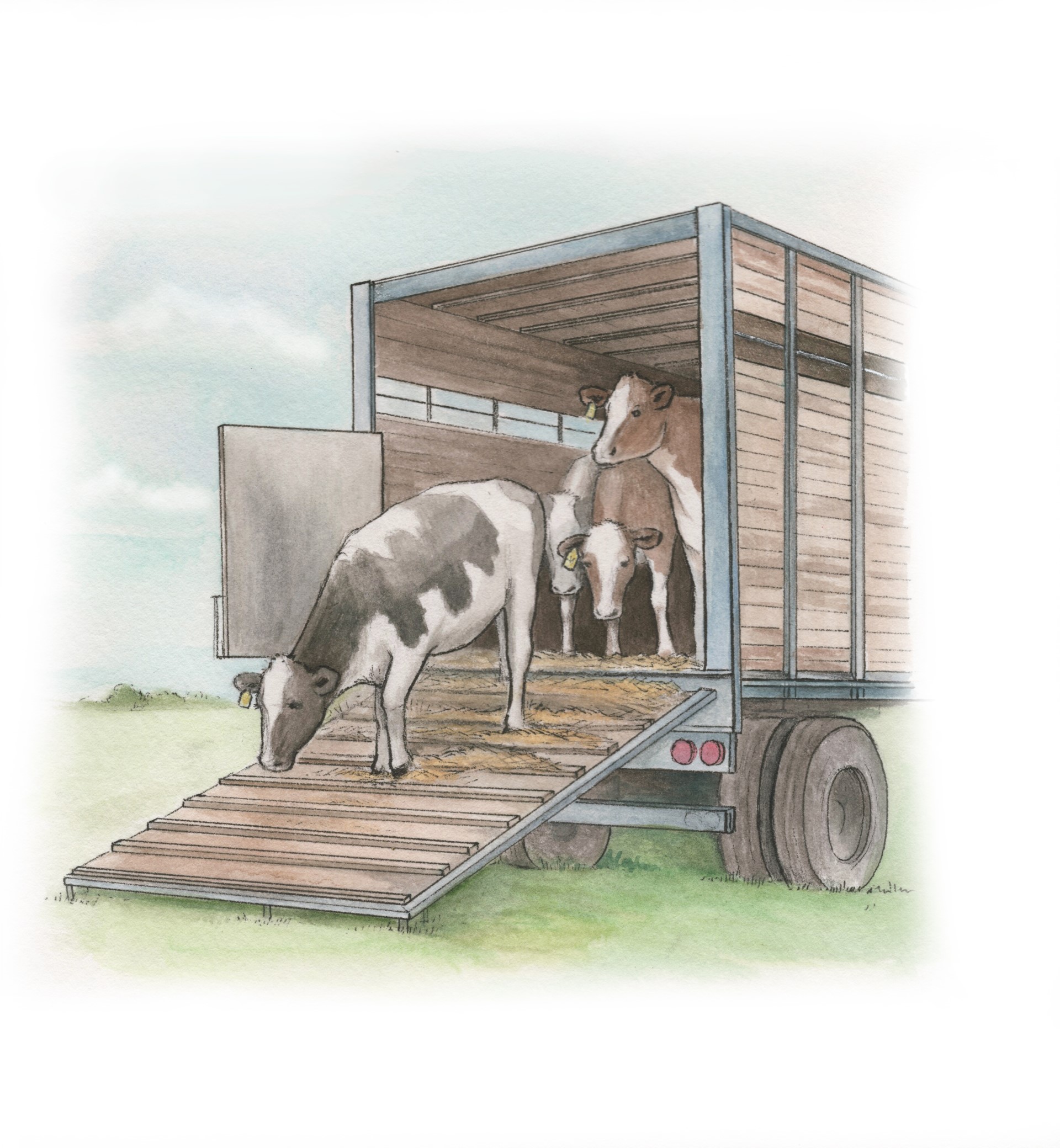
Live farm animal transportation is currently regulated but animal welfare concerns persist. This paper aims to assess whether regulations adopted in five jurisdictions (i.e., Australia, Canada, New Zealand, the EU and the US) addressing live farm animal transport are fit for purpose (i.e., do they achieve the stated aims of protecting animals during transport?). Our findings indicate that regulations are often insufficient or too vague to be deemed fit for purpose. All jurisdictions fall short in guaranteeing adequate protection to livestock during transport. We drew future directions for regulatory changes that may improve the welfare of farm animals during transportation.
Livestock regulation – A review of livestock transportation regulations in five English-speaking Western jurisdictions (Australia, Canada, New Zealand, the EU and the USA) suggests laws are too vague or insufficient to be fit for purpose. The authors examined evidence relating to four major risk factors, including journey duration and space allowances, finding regulations failed to adequately protect livestock. They suggest increased inspections and training for drivers could substantially improve animal welfare
Multimedia


Attachments
Note: Not all attachments are visible to the general public. Research URLs will go live after the embargo ends.


