 Sign In



 Australia; NSW; VIC
News release
From:
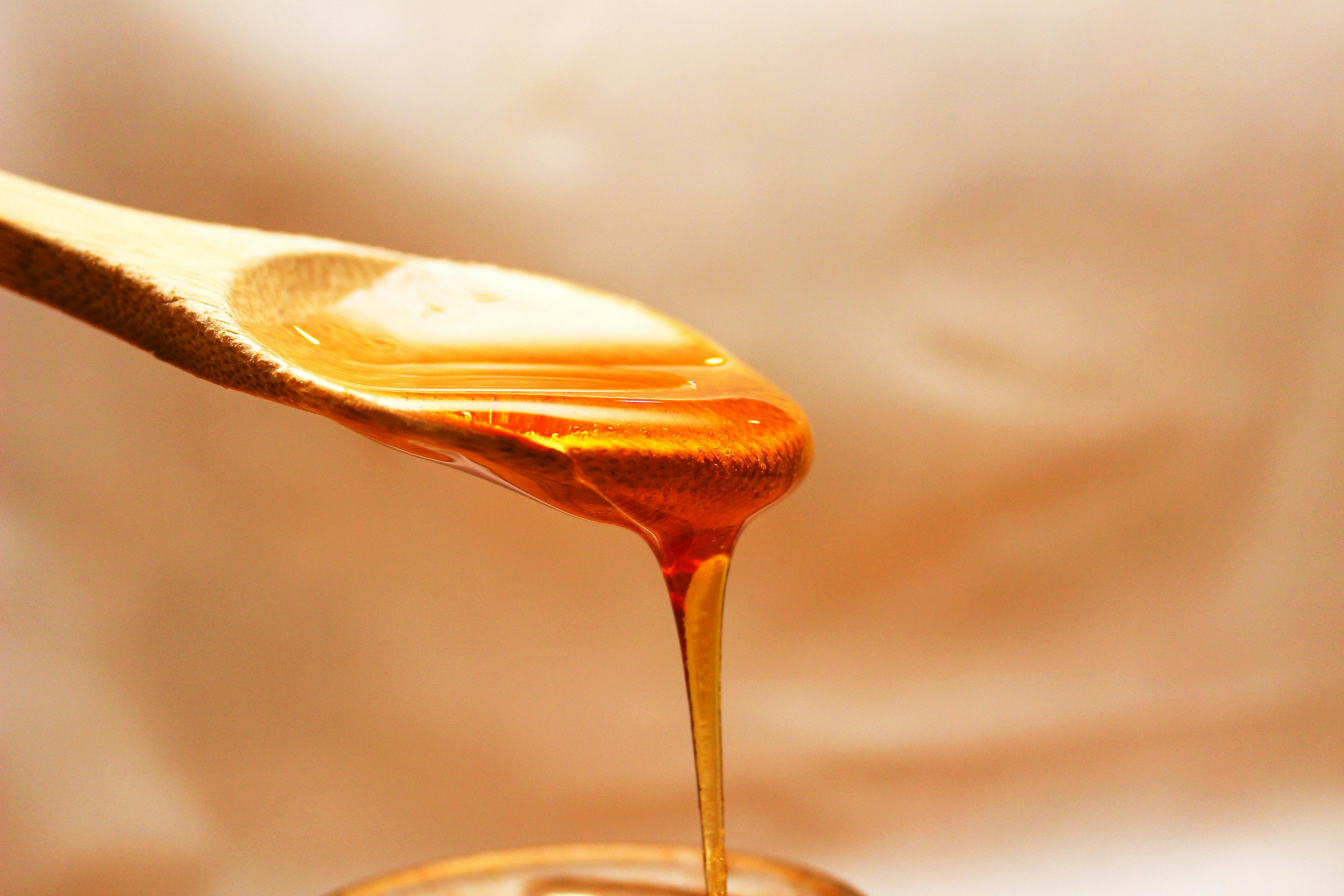
A world-first study has revealed the toxic ‘forever chemical’, PFOS, can accumulate in exposed honeybee colonies and transfer to their honey, threatening pollinator viability, food security, and potentially human health.
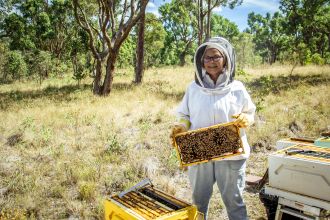
Conducted by researchers at the University of New England (UNE), the study monitored the effects of chronic sublethal exposure of PFOS on European honeybee colonies, showing prolonged exposure to environmental levels of PFOS changed the expression of some key proteins responsible for cell function in the honeybee.
“PFOS was detected in the body tissue of the new generation of juvenile bees, and these showed a lower body weight than the control bees without PFOS exposure,” said UNE’s Dr Carolyn Sonter, who led the study under the supervision of UNE’s Prof Susan Wilson, Prof Romina Rader, Prof Matthew Tighe and Dr Manisha Shakya.
“A lower body weight indicates a smaller bee with smaller glands, including the hypopharyngeal gland, which produces royal jelly to feed the next generation of bees.”
Royal jelly is a nutrient-dense liquid that’s used to feed larvae, and if its quality is reduced, future generations are adversely affected, compromising the health and longevity of the colony.
On a larger scale populations would gradually decrease and the pollination of crops would in turn be negatively affected.
“Any threat to bees threatens food security,” said Dr Sonter.
“If we lose bees, we’re looking at a very boring and less nutritious diet. Most agricultural crops rely on bees for pollination, and without them, production of foods like berries, fruit, and most vegetables would be severely reduced.”
PFOS stands for Perfluorooctanesulfonate and is just one of thousands of PFAS, otherwise known as ‘forever chemicals.’
PFOS was developed in the 1930s, and up until the early 2000s was found in industrial and consumer products, as well as in Aqueous Film-Forming Foam which was used to fight high temperature fires. PFOS is also the breakdown product of Sulfluramid which is used in parts of the world to control leaf cutting ants in agroforestry.
Bees can be exposed to PFOS through contaminated dust, water, paint on bee hives, crop protection products and pollen from plants growing in contaminated soil and water.
Though PFOS is no longer used in Australia, legacy PFOS contamination and related compounds continue to pose risks to honeybees.
“The legacy of PFOS is permanent, at least in our lifetime,” says Dr Sonter.
“One way to reduce PFAS risks to bees at home is to avoid using crop protection products that contain PFAS in gardens– many do!”
While the study confirmed PFOS can transfer to bees and honey in a controlled laboratory setting, further research is needed on plant uptake and translocation to flower nectar.
“Our next steps are to understand exposure pathways for bees in the field, because if PFAS is taken up and translocated to flower nectar by plants, this poses implications for all pollinators and honey consumers.”
Dr Sonter says the evidence uncovered through this research forms a building block for protective guidelines for bees.
“Even though bees are such an important insect, they’re poorly researched and understood when it comes to threats from environmental contaminants,” says Dr Sonter.
“I’m excited to continue working with UNE’s world-class research groups, including the Pollution Science Research Group, Rader Community Ecology Lab and Aquatic Ecology and Restoration Research Group, to continue finding answers to help secure our environment for future generations.”
The study has been published in the February edition of Environmental Science & Technology and can be found here.
Multimedia

Attachments
Note: Not all attachments are visible to the general public. Research URLs will go live after the embargo ends.


