 Sign In



 Australia; NSW
News release
From:
UNSW researchers are looking at when groundwater recharges, and how climate change is affecting that process.
Groundwater supplies the majority of Australia’s drinking and irrigation water, but scientists still don’t fully understand how rainfall translates into recharge below the surface – particularly as climate change shifts rainfall patterns toward fewer, more intense events.
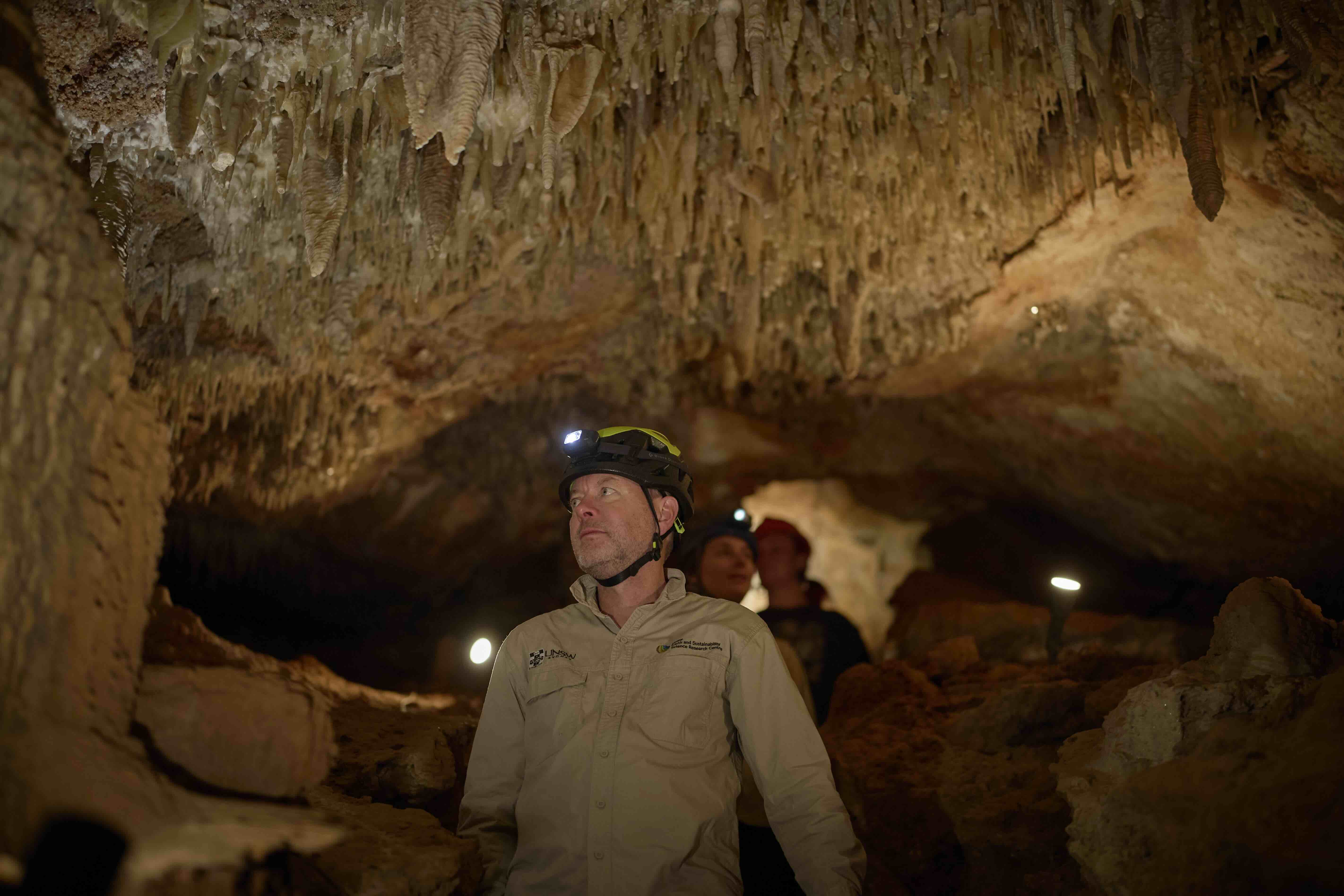
Our combined engineering and science teams are tracking how water moves from the surface into aquifers – and also how disturbances like severe bushfire can fundamentally change that process.
Water is a limited resource, so what happens when it's 'out of sight, out of mind'? And are we overestimating the security of our underground water reserves?
“We’re tackling this big question of ‘how does water get underground – and how much rainfall is needed to replenish it? That’s not only poorly understood, it’s also hard to measure.”—UNSW Professor Andy Baker.
“This work can help people – decision makers, managers and, importantly, community – see that groundwater is not an endless backup. It is a system that depends on specific rainfall events, land use and long-term care.” —UNSW Associate Professor Marilu Melo Zurita.
We have strong multimedia assets (field footage and visual explainers) to accompany this story. Please see our multimedia feature for an idea of what vision is available for your story:
Attachments
Note: Not all attachments are visible to the general public. Research URLs will go live after the embargo ends.


