 Sign In



 International
News release
From:
Analysis of charred food in pot reveals that prehistoric Europeans had surprisingly complex cuisines
Combined analyses reveal an unprecedented variety of plants in prehistoric diets
Thousands of years ago, European communities used a variety of plant and animal products to create elaborate meals, according to a study published March 4, 2026 in the open-access journal PLOS One by Lara González Carretero of the University of York, U.K. and colleagues.
A common technique for interpreting the diets of ancient cultures involves analyzing fatty residues in ancient pottery. This method is limited, however, as it mostly provides insights only into animal remains. In this study, the authors combined multiple techniques, including microscopic examination and chemical analysis, to identify the remains of plants that were eaten by ancient European hunter-gatherers.
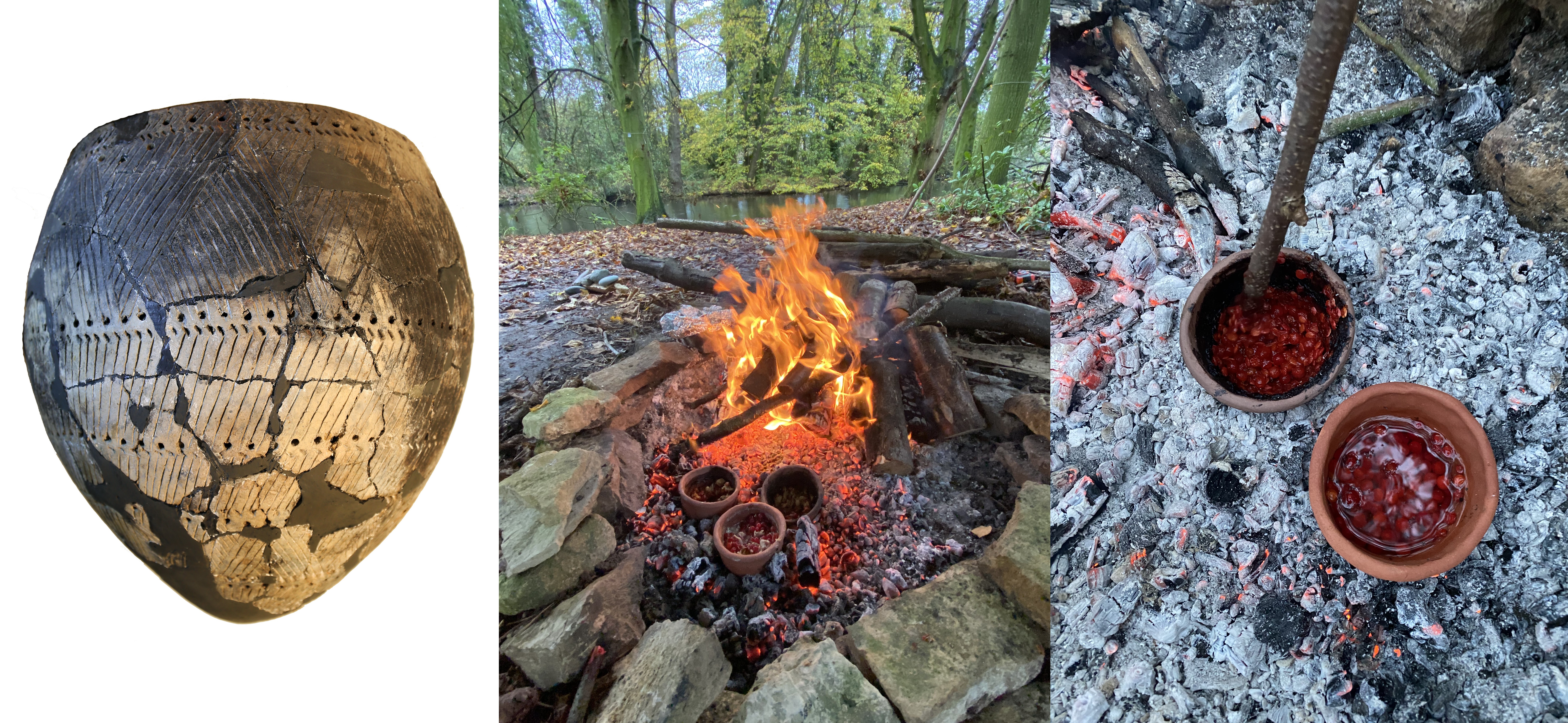
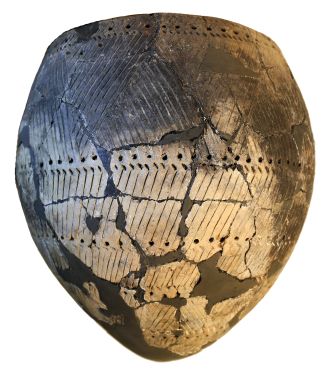
Researchers examined organic remains found in 58 pieces of pottery uncovered at 13 archaeological sites across Northern and Eastern Europe dating between the 6th and 3rd millennium BC. This method recovered tissue samples of a wide variety of plants, including grasses, berries, leaves, and seeds. In many cases, plant remains were found alongside those of animals, most often fish and other seafood. The exact mixtures and ingredients varied from region to region, most likely reflecting which resources were locally available as well as local cultural practices.
These findings emphasize the important role of plants and aquatic foods in the diets of early Europeans. These results also support the idea that these communities regularly used pottery technology for food preparation and that each culture had their own complex culinary traditions. This study also demonstrates that combining multiple analytical techniques can yield detailed insights that are overlooked by traditional methods, particularly when it comes to the plants that ancient peoples were eating.
The authors add: “While conventional chemical analysis tends to highlight the animal-based components of ancient meals, our combined microscopic approach has brought these prehistoric recipes back into focus. We found that hunter-gatherer-fishers were not living on fish alone; they were actively processing and consuming a wide variety of plants. This research underscores that to truly understand ancient diets, we need to take a closer look at these food crusts, quite literally!”
Multimedia

Attachments
Note: Not all attachments are visible to the general public. Research URLs will go live after the embargo ends.


