 Sign In



 Australia; QLD
News release
From:
Sun smart kids have 50 per cent fewer moles and a lower melanoma risk
A long-running Queensland study has found children today are developing significantly fewer moles than kids 25 years ago, with predictions of a major reduction in future melanoma risk.
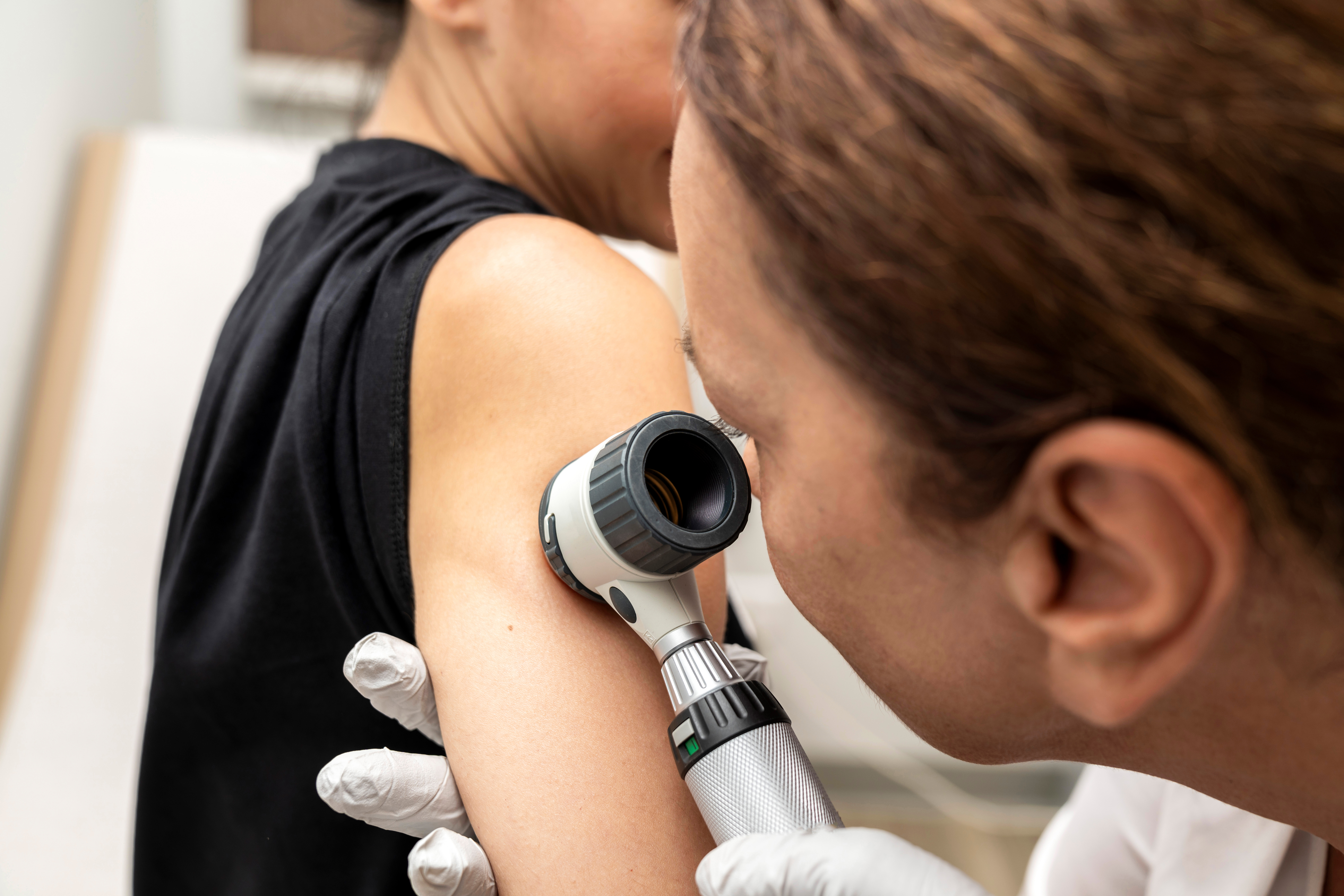
The Brisbane Twin Nevus Study, led by researchers at QIMR Berghofer Medical Research Institute, tracked mole development in twins and their siblings turning 12 years old each year from 1992 to 2016. The study, published in the British Journal of Dermatology, involved a total of 3,957 participants living in South-East Queensland and found the average number of moles on people’s bodies had dropped by 47 per cent over the study’s duration.
Mole count is one of the strongest predictors of lifetime melanoma risk, particularly in pale-skinned populations exposed to high levels of ultraviolet (UV) radiation. The reduction in mole numbers was not explained by changes in skin colour or ethnicity.
Researchers believe the most likely reason for the decline is reduced sun exposure before age 12, which is a critical period for mole development. This behavioural shift aligns with decades of sun safety education via the Slip Slop Slap campaigns, much of it informed by QIMR Berghofer’s research.
The study estimates that an 11.7 per cent reduction in average annual UV dose over the study period could account for the drop in mole counts. Based on melanoma risk models, this could lead to a fourfold decrease in lifetime melanoma risk for children born after 2000 compared to those born in the 1980s.
“These findings show that people these days are developing far fewer moles than in previous generations and that early sun protection is having a measurable impact,” said Dr David Duffy, who analysed the findings from the 1990s onwards. “It’s a strong signal that public health messaging is changing behaviour in ways that will reduce melanoma rates in the future.”
Professor Nick Martin, the study’s lead, says the findings were greater than they had anticipated when they first planned the research in the 1990s.
“I think this will reinforce and remind parents to make sure their kids are well protected when they go out in the sun. There’s a lot of good sun safe behaviour happening, but there’s always a new generation coming along and a danger that the attention could slip.”
“This this is a really a good case of research, and public health going hand in hand to help save lives in the future.”
Attachments
Note: Not all attachments are visible to the general public. Research URLs will go live after the embargo ends.


