News release
From:
The Royal Society
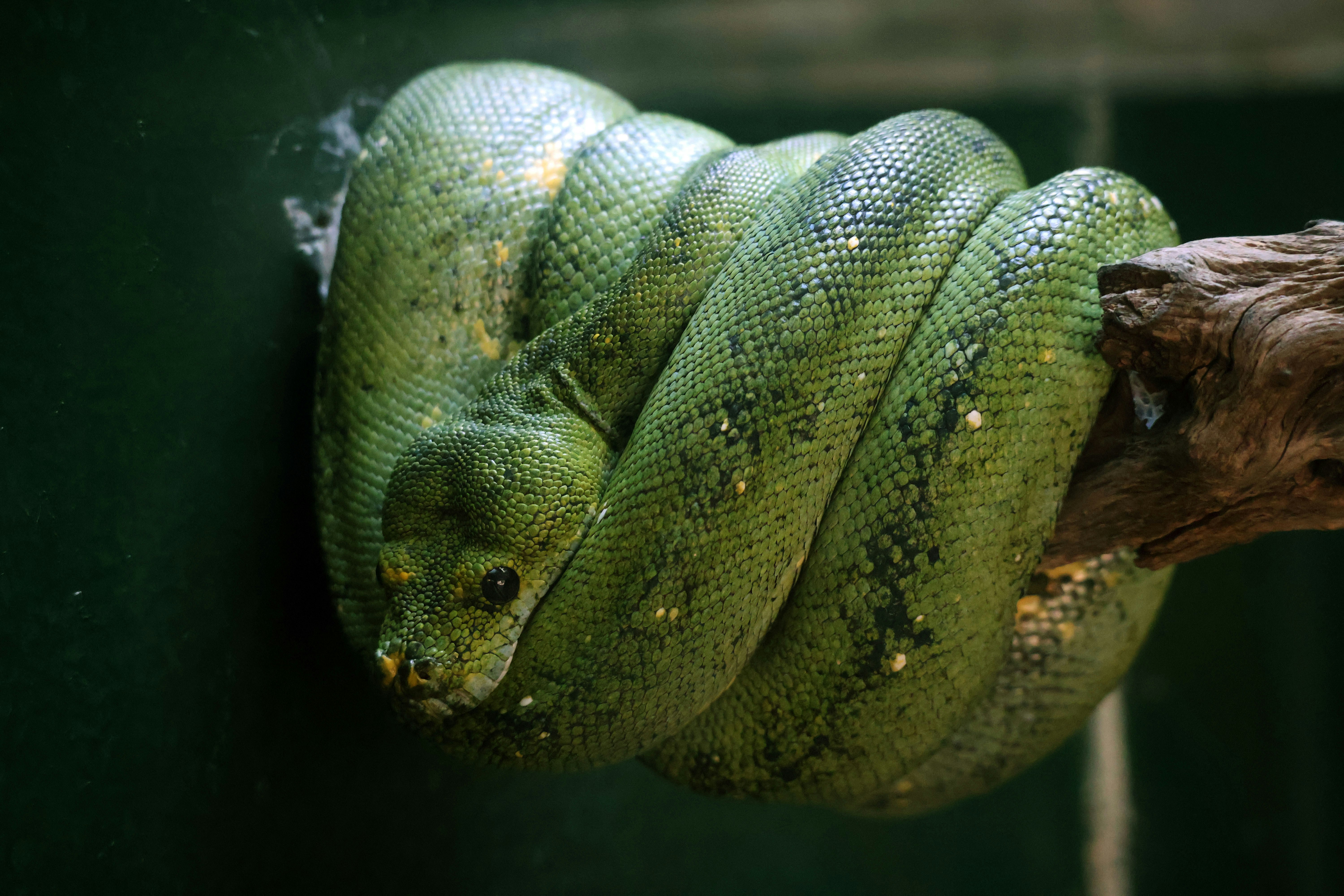
Snakes, chameleons and toadhead agamids have lost two genes, ghrelin and MBOAT4, which, in most vertebrates, play central roles in regulating appetite, metabolism, and energy balance. Their absence suggests that these groups evolved unique physiological mechanisms to manage feeding and energy use, independent of this ancient hormonal system. This discovery provides new insight into how extreme metabolic adaptations shaped the evolution of feeding behaviours associated with these groups, such as long fasting periods and infrequent feeding.
Attachments
Note: Not all attachments are visible to the general public.
Research URLs will go live after the embargo ends.

Research
The Royal Society, Web page
URL will go live once embargo ends.
Journal/
conference:
Open Biology
Organisation/s:
University of Porto, Portugal
Funder:
The PhD fellowship for RRP (2020.08608.BD) was granted by Fundação para a Ciência e Tecnologia. This research was also funded by national funds through FCT, I.P., and by the European Commission’s Recovery and Resilience Facility, within the scope of UID/04423/2025 (https://doi.org/10.54499/UID/04423/2025), UID/PRR/04423/2025 (https://doi.org/10.54499/UID/PRR/04423/2025), and LA/P/0101/2020 (https:// doi.org/10.54499/LA/P/0101/2020). JS was supported by research grant no 42153 from VILLUM FONDEN. RDF thanks the VILLUM FONDEN for the Center for Global Mountain Biodiversity grant no 25925.
 Sign In



 International