Sign In



 International
Media release
From:
Archaeology: Early evidence for deliberate fire-making (N&V) *BRIEFING* *IMAGES*
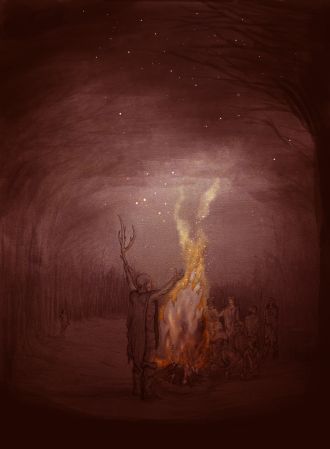
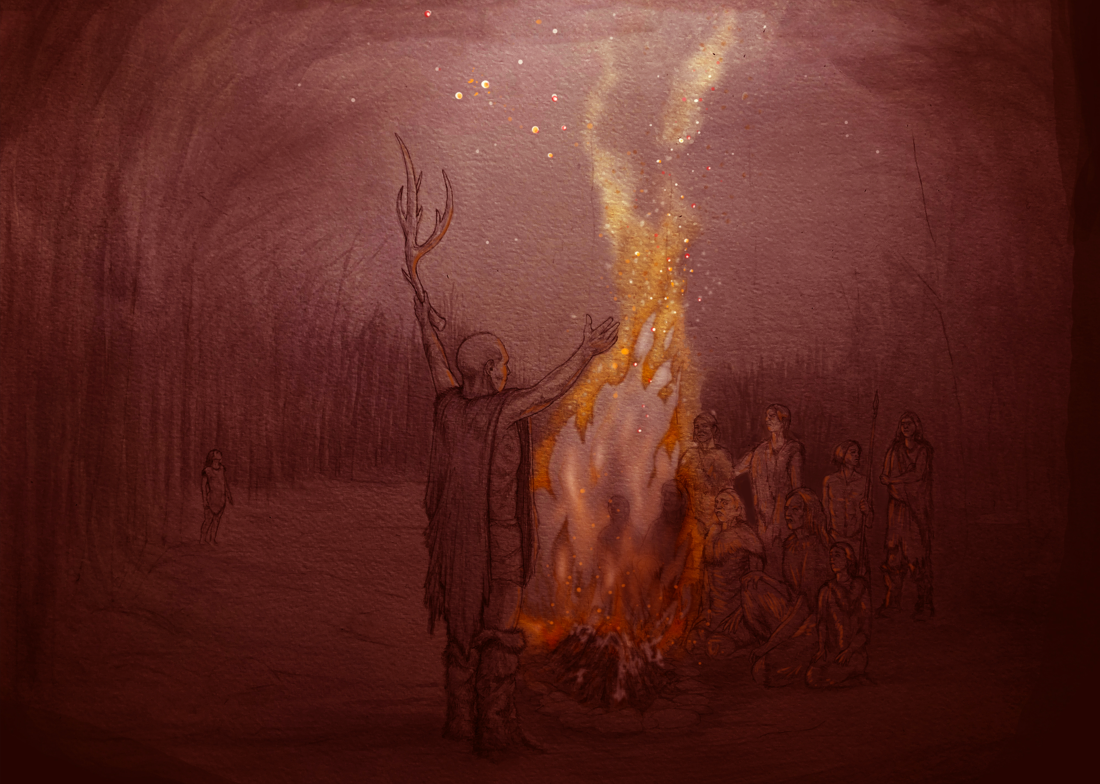
Deliberate fire-making by humans in the UK may date to more than 400,000 years ago, according to evidence described in Nature this week. The discovery of baked sediments, heat-shattered flint axes and pieces of pyrite — a stone used to create sparks for lighting tinder — in a disused claypit in the east of England suggests that humans at this site were able to make and maintain fires. The findings predate previous evidence for the deliberate lighting of fires by around 350,000 years and indicate a shift in human behaviour that may have contributed to an increase in brain size and cognitive abilities.
The ability of humans to make and maintain fires marks an important moment in human development: fires provided warmth, offered protection from predators and enabled cooking, which expanded the range of foods that could be consumed. Indications of fires in sites inhabited by humans date to more than one million years ago; however, determining when humans learned how to create fire is challenging. Fire use probably began with opportunistic harvesting of natural wildfires before our ancestors mastered the art of deliberately starting fires.
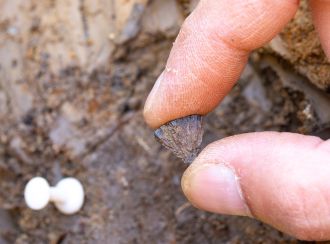
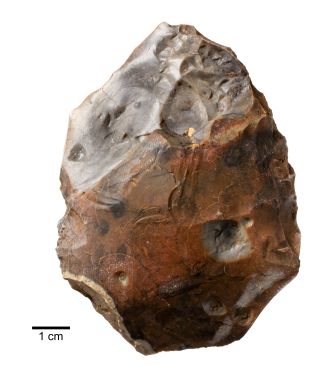
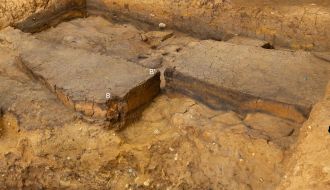
Previous evidence for early fire-making has been found in French Neanderthal sites dating to 50,000 years ago, where handaxes that seem to have been used to strike pyrite to create sparks have been found. Evidence presented by Nick Ashton and colleagues suggests that fire-making may have been happening more than 400,000 years ago in Barnham, Suffolk, UK. They identify heated sediments in ancient soils dating to around 415,000 years ago, along with fire-cracked flint handaxes. These features indicate that fire was being controlled in a human settlement, but it is the third finding that suggests that the fire-making was deliberate. Two fragments of pyrite were discovered on the site; however, this mineral is rare in this region, leading the authors to propose that pyrite was purposefully brought to the site to be used for fire-making.
Together, the findings indicate complex behaviour in humans living at the Barnham site more than 400,000 years ago; for example, these humans may have understood the properties of pyrite to use it as part of a fire-making kit, the authors suggest. Developing this skill would have provided many benefits, including the ability to cook food (which may have been important for human brain evolution) and potentially driving the advancement of technologies such as glue-making for hafted tools, which may have contributed to notable developments in human behaviour.
***
Multimedia