 Sign In



 Australia
News release
From:
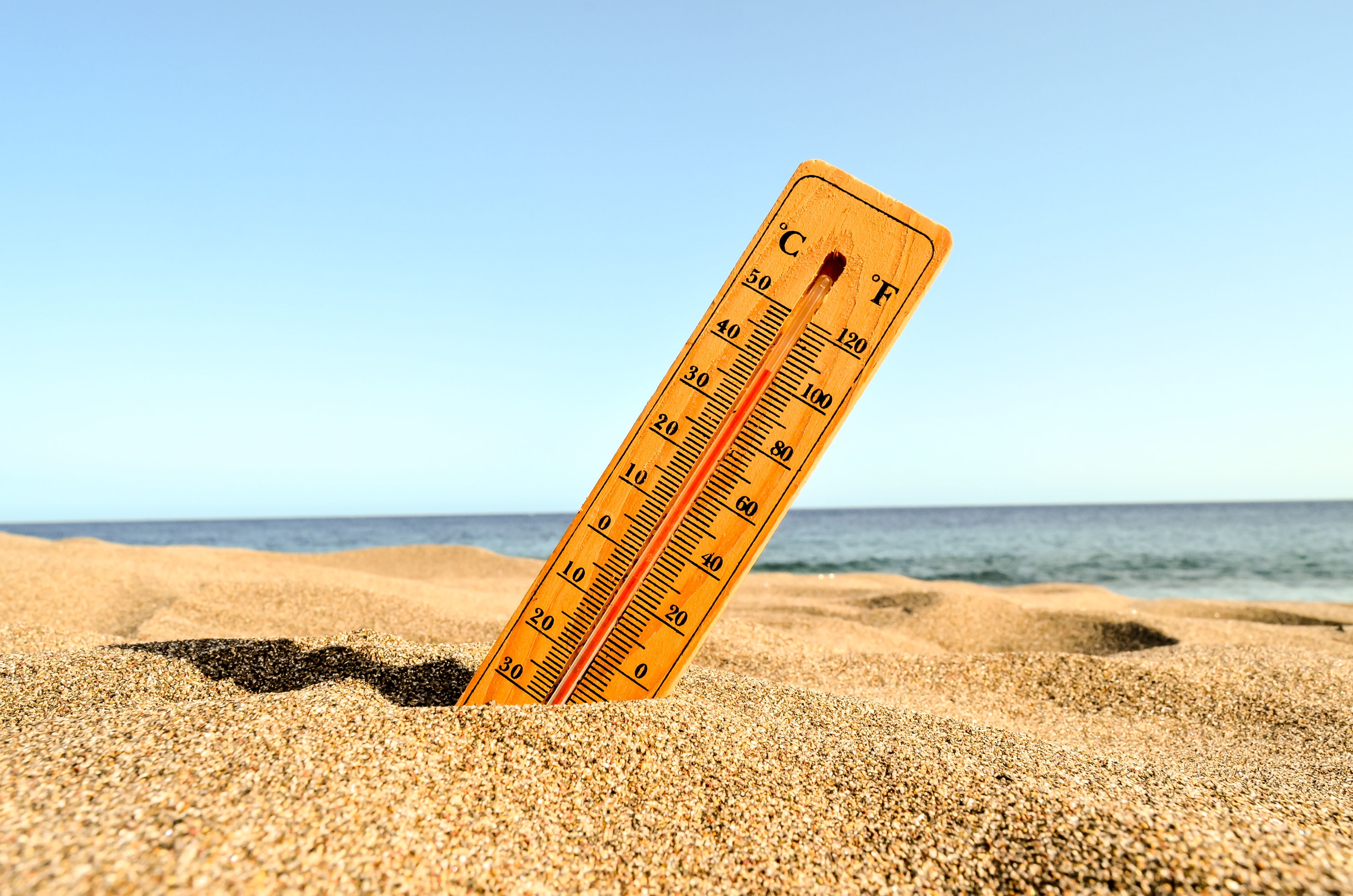
This summer’s extreme heat has touched nearly every corner of the country. Over the last week alone, Australians in several states sweltered through temperatures reaching 50 degrees Celsius at their worst. It is not new for Australian summer’s to be hot, but heatwaves are increasing in frequency and intensity. As our planet continues to warm, we can expect more heatwaves.
The Bureau of Meteorology defines a heatwave as unusually hot maximum and minimum temperatures over three days, accounting for the local climate and historical weather.
More than a decade ago, research funded by Natural Hazards Research Australia was the first to determine that heatwaves were the deadliest form of natural hazard in Australia. In fact, fatalities attributed to heatwaves were found to be greater than deaths from all other natural hazards combined (Coates et al., 2014).
Extreme heat not only impacts our physical health but can also lead to mental distress. Following a heatwave in Western Sydney in 2017, 15% of people reported feeling physically unwell, and 10% felt mentally stress or depressed (Tofa & Gissing, 2017).
People who are older, very young, pregnant, on lower incomes, socially isolated or live with disability or chronic illness are at greater risk. These facts led to increased attention on the safety of communities during heatwave; however, important challenges remain and further work is needed
The economic costs of heatwaves are also substantial and need to be better understood.
Heatwaves commonly impact infrastructure, leading to power and transport outages, which in turn disrupt business operations and reduce productivity. Last week saw more than 100,000 properties lose power in South Australia. At the same time, increased energy usage to cool homes places additional strain on household budgets, particularly for people already managing affordability pressures.
Heatwaves also generate substantial costs for the agricultural sector. Recent heatwave events in Western Australia have seen fruit growers report losses, with farmers forced to deploy adaptation measures by: delaying grape harvests; using sprinklers to cool chickens’ and adjusting livestock saleyards to safeguard animal welfare. The compound effects of these impacts underscore the disruptive and costly nature of extreme heat.
Heatwaves result in lower rates of productivity and higher levels of workforce absenteeism. Nearly two-thirds of businesses employing outdoor workers have previously reported lower levels of productivity with one study estimating that lost productivity costs our economy more than $6.9 billion per year.
There are measures we can all take to be better prepared for heatwaves and help reduce the risks to our families, neighbours, employees, customers and communities.
For households:
- Plan ahead to reduce heat. Many practical measures can be taken. Seal any gaps, such as around doors and windows, to stop hot air getting in. Turn off appliances as they can generate heat.
The entire home does not need to be cooled. Find the coolest room and use fans or air conditioning to lower the temperature, keeping all windows and doors closed. If home cannot be kept cool, visit somewhere that are, such as a shopping centre, library or designated cooling centre.
- Stay in touch. Stay in contact with neighbours, relatives and friends in case they need help. Remember to consider the welfare of pets by ensuring they have adequate shade and access to sufficient water.
For communities:
- Businesses should develop business continuity plans that cover contingencies should utilities such as power and communications fail and to keep employees and customers safe.
- Resource community organisations so they can stay connected with the most vulnerable. These services often already have trusted relationships with people at higher risk during heatwaves, so equipping them to check in and provide support during heatwaves makes sense.
- Coordinated cooling shelter strategies. Most heatwave deaths occur in homes that are too hot to survive in (Coates et al. 2022). Getting to a cooler place can save lives.
Increasingly cooling centres are being operated by local councils to provide refuge from the heat. Often these utilise airconditioned public spaces such as libraries and recreation centres. Recently, the City of Sydney deployed mobile cooling hubs to support people experiencing homelessness. Community organisations and shopping centres too are encouraged to make their facilities available.
Community transport organisations should be enlisted to provide transport to cooling centres if needed and cooling centre strategies should be coordinated across regions and organisations to better enable their access. - Action to adapt to a warming climate is already underway, through programs such as tree planting, but more could be done. Urban planning must explicitly factor in heatwave risk; ensuring new buildings can maintain safe indoor temperatures even if air conditioning systems fail. Programs and incentives to retrofit older buildings to better withstand heatwave impacts should be investigated.
Natural Hazards Research Australia is leading research on heatwave resilience, including to:
- explore the efficacy, reach and impact of the national heatwave service which includes the Bureau of Meteorology’s decision support and warning products and agency heatwave warnings
- develop a methodology to enable accurate, near real-time mortality reporting from extreme heat events
- understand the full impacts and costs of extreme heat events
- determine the electricity sector’s role in community vulnerabilities to extreme heat and opportunities for adaptation.
Heatwaves are deadly and cost billions. This week’s Extreme Heat Awareness Day on 4 February reminds us that protecting our communities requires stronger science to understand how to be more prepared.

