 Sign In



 New Zealand
Expert Reaction
These comments have been collated by the Science Media Centre to provide a variety of expert perspectives on this issue. Feel free to use these quotes in your stories. Views expressed are the personal opinions of the experts named. They do not represent the views of the SMC or any other organisation unless specifically stated.
Jessica Rutherford is a PhD candidate in the School of Science, University of Waikato
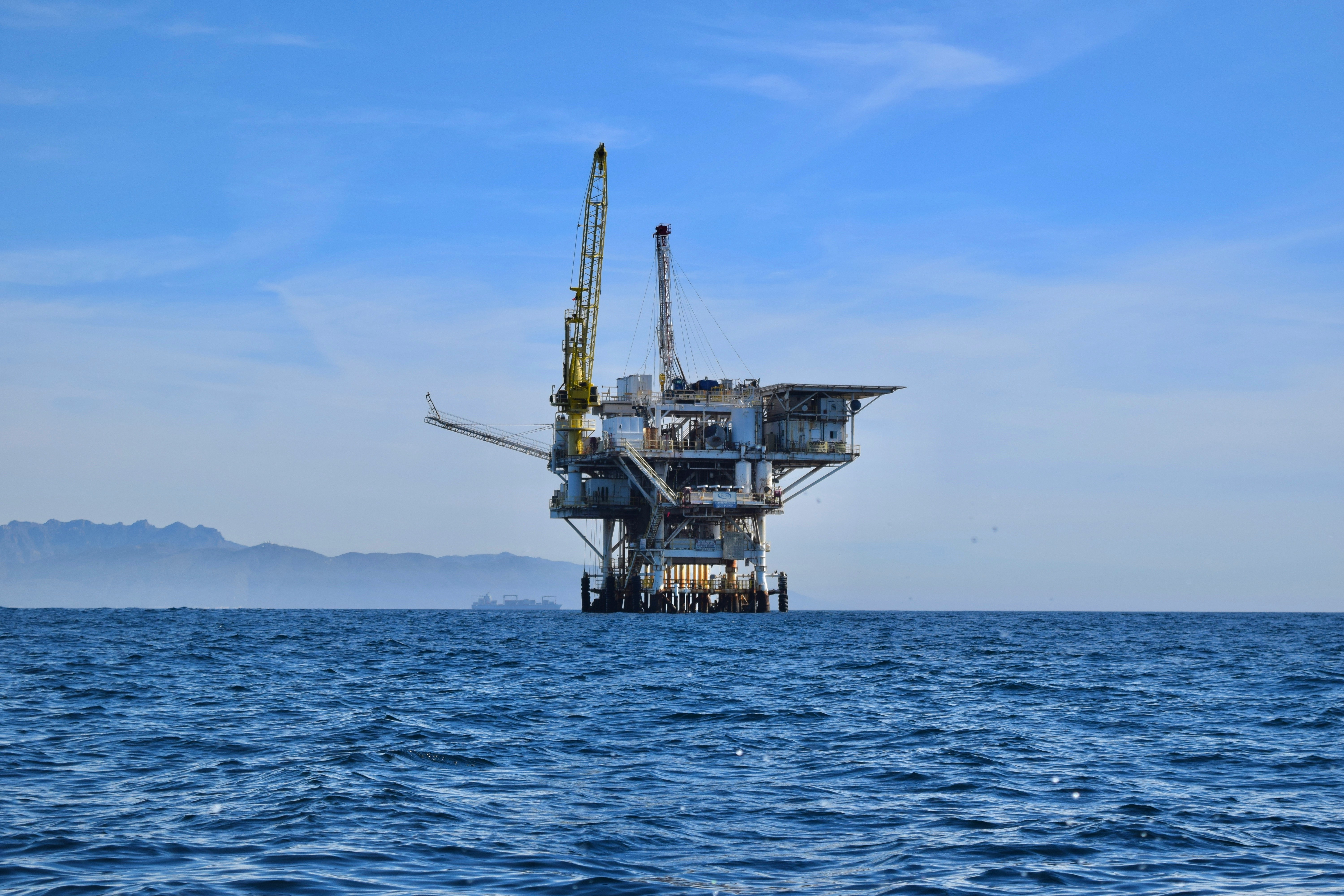
- "The current government's 2025 reinstatement of offshore oil and gas development risks intensifying conflicts with marine conservation efforts in a poorly protected Exclusive Economic Zone (EEZ).
"We investigated those trade-offs, focusing on the first licensing decision made for offshore oil and gas activities.
"Our research showed that in Aotearoa New Zealand these decisions often exclude environmental concerns and societal views, in a system where strategies for integrated ocean protection policies are lacking.
"Specifically, early offshore oil and gas permitting decisions prioritise economic interests, exclude public input, fail to uphold Māori resource rights, creating inequities and undermining Treaty partnership principles, and do not consider climate change concerns. This system undermines future decision-making processes about Aotearoa's marine environment and can escalate future conflicts.
"Interviewees highlighted an overwhelming need for broader ocean planning and inclusive decision-making that balances ecological and economic interests for long-term, responsible ocean management. The lack of marine protection in the EEZ, which excludes oil and gas, underscores the vulnerability to exploitation. For example, currently there are 8 active petroleum permits, of which five are located in marine mammal sanctuaries."

Attachments
Note: Not all attachments are visible to the general public. Research URLs will go live after the embargo ends.

