Sign In



 Australia; VIC; SA
News release
From:
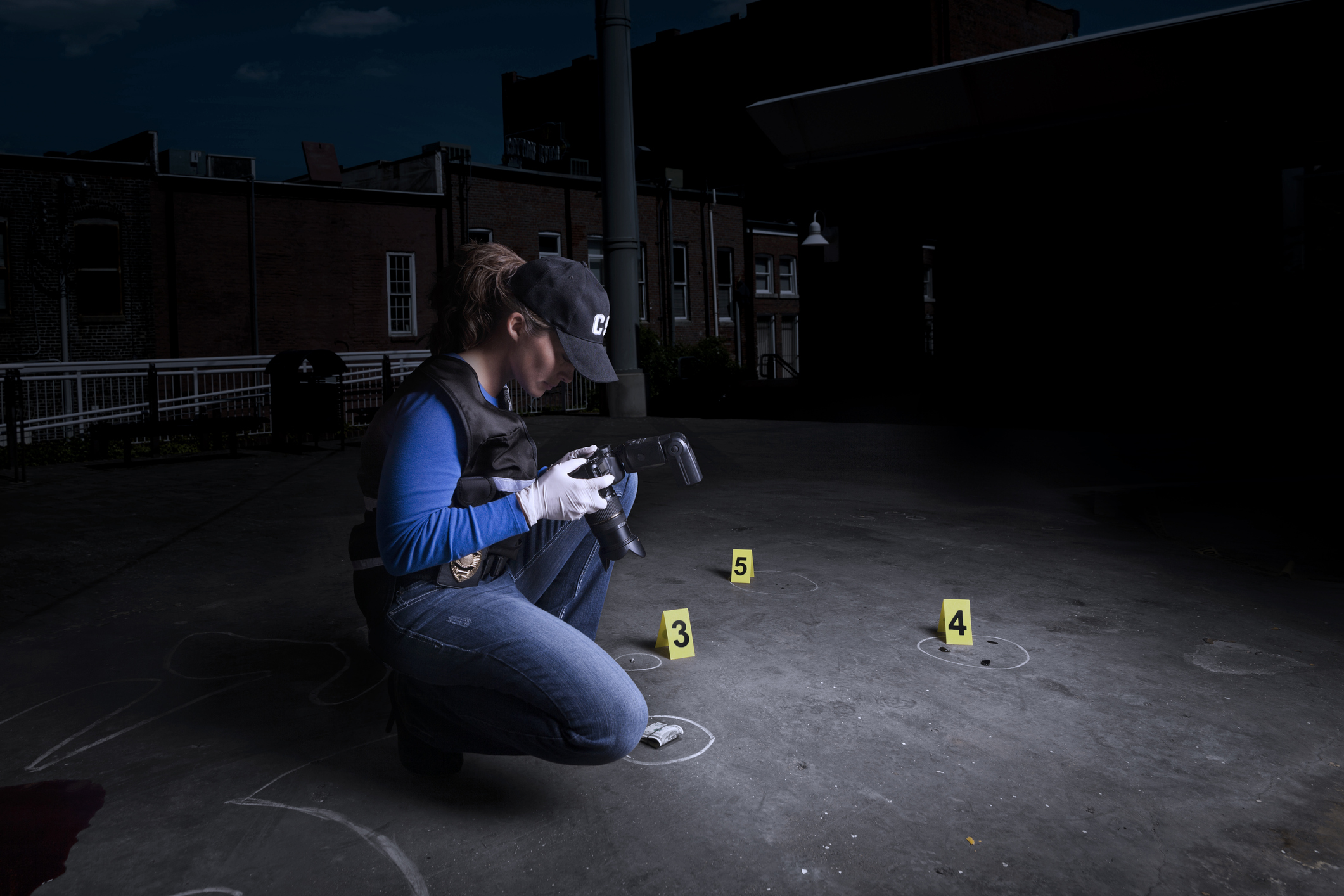
Cleaning blood from a violent crime scene can complicate crime scene investigations, particularly when accurate evidence is required for a conviction in court.
A new study led by Flinders University forensic science compares evidence collected from remaining DNA and haemoglobin (red blood cells) left on cotton t-shirt material and metal knives from wet and dried blood cleaned with a variety of different common cleaning products.
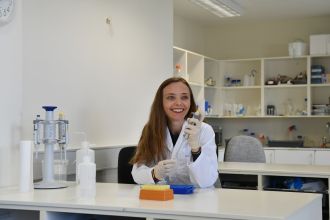
Flinders University Senior Lecturer in Forensic Science, Dr Mariya Goray, says a number of washing products, antiseptics and bleach potentially used at a bloody crime scene can differ in their effect on DNA and haemoglobin evidence.
“Many studies have investigated the effect cleaning agents have on persistence and detection of blood-derived DNA but not haemoglobin, or the detection and persistence of haemoglobin but not blood-derived DNA,” says Dr Goray, from the College of Science and Engineering at Flinders University.
“Little information is available on the relative removal rates of both haemoglobin and DNA derived from blood following various methods of cleaning.
“This knowledge can be important in cases where the detection of DNA on an item may not be sufficient to link a person of interest to a crime.”
For example, in a domestic dispute involving stabbing, if DNA matching a relevant spouse was detected on the other partner’s clothing, there remains innocent explanations for the presence of this DNA such as cohabitation.
However, if the source of this DNA could be identified as possibly being derived from blood, through blood-detection tests, the proposed prosecution’s proposition of how the DNA came to be on the clothing holds more weight than without this evidence.
As well, some jurisdictions may not proceed to DNA analysis if negative blood detection test results are produced.
“This study expands our understanding of the persistence and detection of haemoglobin and DNA following different types of cleaning, which could elicit a re-evaluation of casework workflow and how evidence is interpreted in and out of court settings,” researchers say.
The study shows that removal rates of haemoglobin and DNA are dependent on multiple variables, including blood moisture, surface type and cleaning method/agents used.
Of the seven cleaning methods tested, bleach and hot running water resulted in the greatest removal of haemoglobin from cotton and knife blades, whereas cold running water with sponge and bleach resulted in the greatest removal of DNA from cotton and knife blades respectively.
“This study expands our understanding of the persistence and detection of haemoglobin and DNA following different types of cleaning, which could elicit a re-evaluation of casework workflow and how evidence is interpreted in and out of court settings,” researchers say.
The article, ‘Persistence and detection of blood derived haemoglobin and DNA after attempted cleaning of crime-related items’ (2025) by Renee Anderson, Natasha Mitchell, Roland AH van Oorschot and Mariya Goray has been published in the journal Australian Journal of Forensic Sciences journal DOI: 10.1080/00450618.2025.2581318.
In another recent study, the researchers assessed the veracity of forensic lab tests to differentiate cells from different body areas after three to six months using the novel imaging flow cytometry technique.
While they found no diminished ability to distinguish cell types after several months, they recommend further testing prior to casework implementation for police investigations or court presentation.
This is linked to differences in sample preparation and instruments used to classify samples – as well as methodology and classification used in initial and follow-up testing.
Read more: ‘A matter of age: Investigation of the ability to classify epithelial cells of different anatomical origin in aged samples using imaging flow cytometry’ (2025) by Duncan Taylor, Abigail Skeffington, Ishana Somers, Roland AH. van Oorschot, Giles Best and Mariya Goray published in Forensic Science International https://doi.org/10.1016/j.forsciint.2025.112799.
Acknowledgements: The first study received ethics approval from the Human Research Ethics Committee and blood samples were obtained from one volunteer with their informed consent.
Multimedia