 Sign In



 New Zealand
News release
From:
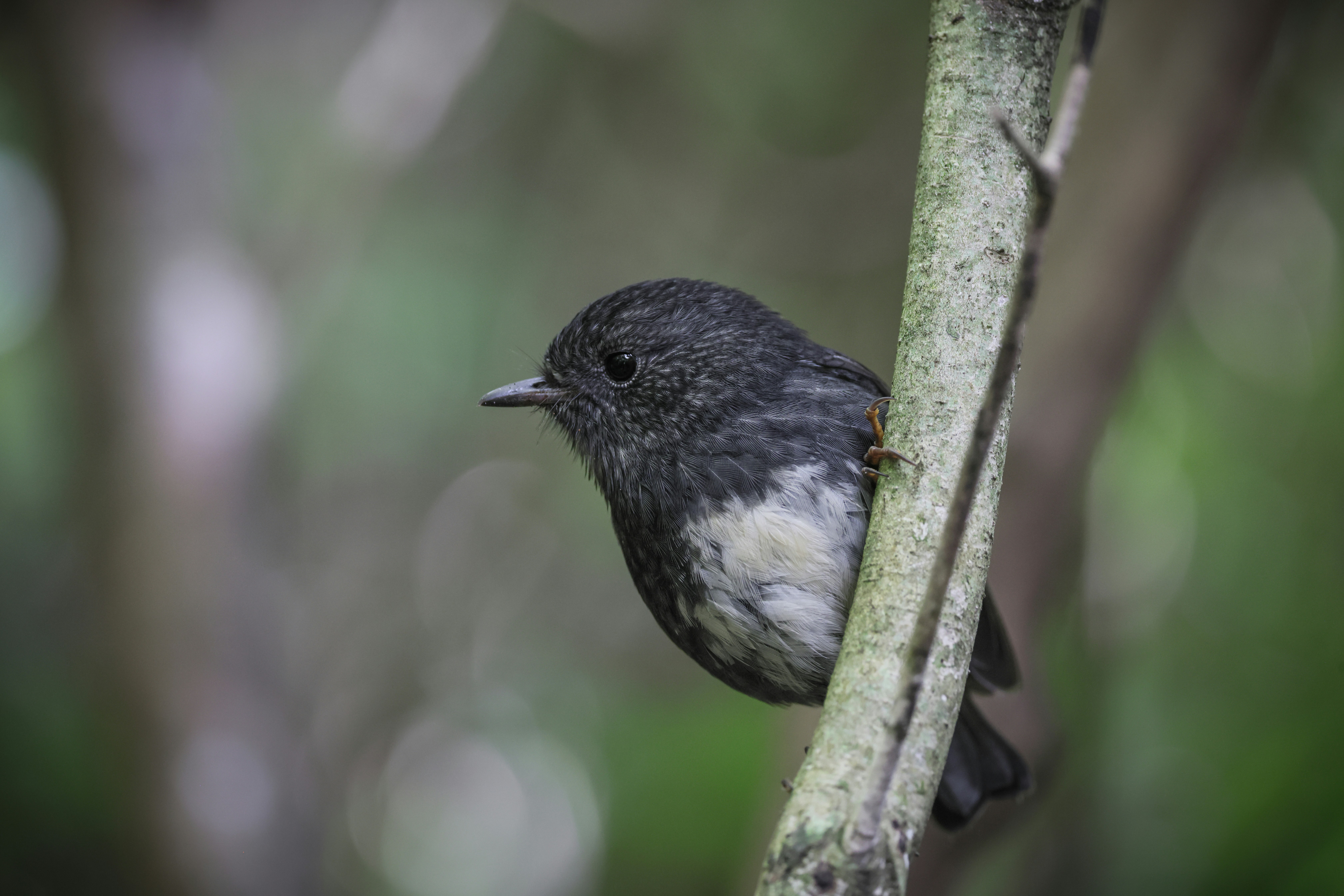
Aotearoa New Zealand’s fauna is dominated by bird species, many of them unique and endangered. Like humans, analgesic drugs are used to relieve pain in bird species. The challenge with this group of wildlife patients is - what dose of analgesic to give? There is a critical lack of species-specific information about dosing of pain medications in the endangered birds of NZ.
Our study explored the use of pain medications to treat Aotearoa’s native birds and found there is national consistency about the commonly-used analgesic drugs.
We highlight the need for research on the blood levels of pain medications in New Zealand native bird species to help determine suitable dose regimens. Such understanding about the optimal administration of analgesic medicines in native bird species can improve their treatment. This is one example of the opportunities that exist for collaboration between vets and pharmaceutical scientists to work together to help animal patients.
McDowell is leading the establishment of a wildlife therapeutics network to bring together interdisciplinary experts with the aim to solve the challenges of optimal therapeutics use for wild species.

