 Sign In



 International
News release
From:
Marine Biology: The genes that made whales gigantic
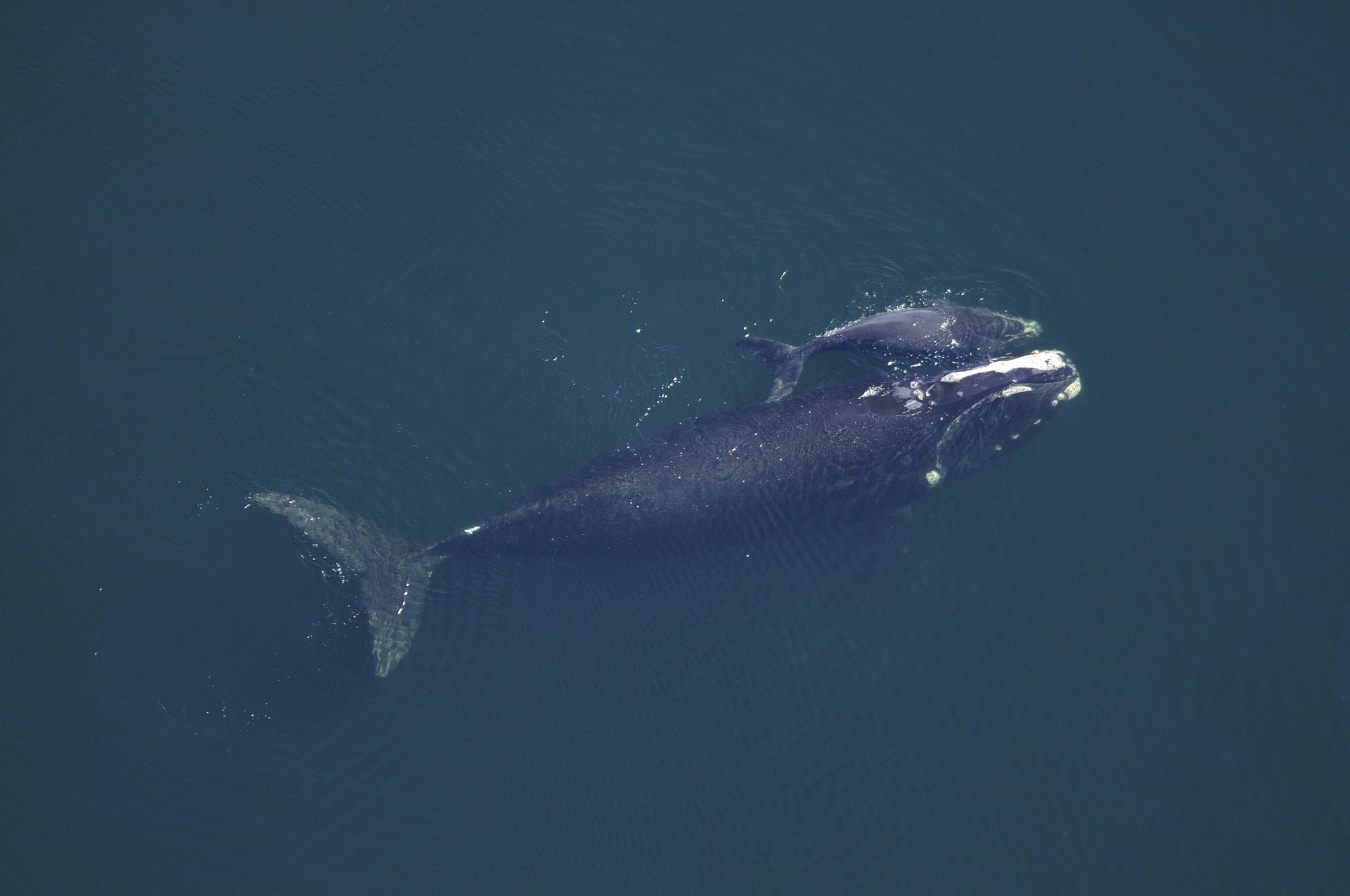
New research reveals the genes that likely allowed whales to grow to giant sizes compared to their ancestors, reports a study published in Scientific Reports. The findings highlight the role of four genes (called GHSR, IGFBP7, NCAPG, and PLAG1), and suggest that they promote large body sizes while mitigating potentially negative effects, such as increased cancer risk.
Whales, dolphins, and porpoises (known as cetaceans) evolved from small, land-based ancestors around 50 million years ago, but some species are now among the largest animals to have lived. However, gigantism can bring biological disadvantages, such as lower reproductive output and increased chances of diseases such as cancer, and it has not been clear what role different genes have played in driving gigantism in whales.
Mariana Nery and colleagues performed molecular evolutionary analysis on nine candidate genes: five genes (GHSR, IGF2, IGFBP2, IGFBP7, and EGF) from the growth hormone / insulin-like growth factor axis, and four genes (NCAPG, LCORL, PLAG1, and ZFAT) that are associated with increased body size in hoofed animals such as cows and sheep, which are distantly related to whales. They assessed these genes in 19 species of whale, including 7 species that have a body length of over 10 metres and are considered giants – the sperm whale, bowhead whale, gray whale, humpback whale, North Pacific right whale, fin whale, and blue whale.
The authors found positive evolutionary selection for the GHSR and IGFBP7 genes in the growth hormone / insulin-like growth factor axis, and for NCAPG and PLAG1 genes. This indicates that these four genes were likely involved in increasing body size among giant whales, according to the authors. Additionally, GHSR controls aspects of the cell cycle and IGFBP7 acts as a suppressor in several types of cancers, which together may counteract some of the biological disadvantages that come with large body sizes.

