 Sign In



 Australia; NSW; VIC
News release
From:
For the first time, mighty ocean waves generated in the Southern Ocean have been accurately measured all the way to the tiny ripples they form on the shores of Alaska.
Professor Ian Young, from the University of Melbourne’s Department of Infrastructure Engineering, is lead author on a landmark study that analysed data from 300 drifting ocean buoys to gain a detailed understanding of how storms in Antarctica drive waves all around the globe.
The study, published in the Journal of Geographic Research: Oceans, found that ocean swell generated by large storms can travel thousands of kilometres, with longer waves travelling much faster than shorter ones.
“We tend to think that waves are generated by wind in the surrounding environment,” Professor Young said. “In fact, since the 1960s scientists have known that most waves are generated by strong winds in storms in the polar regions, with the majority beginning their life in the Southern Ocean.”
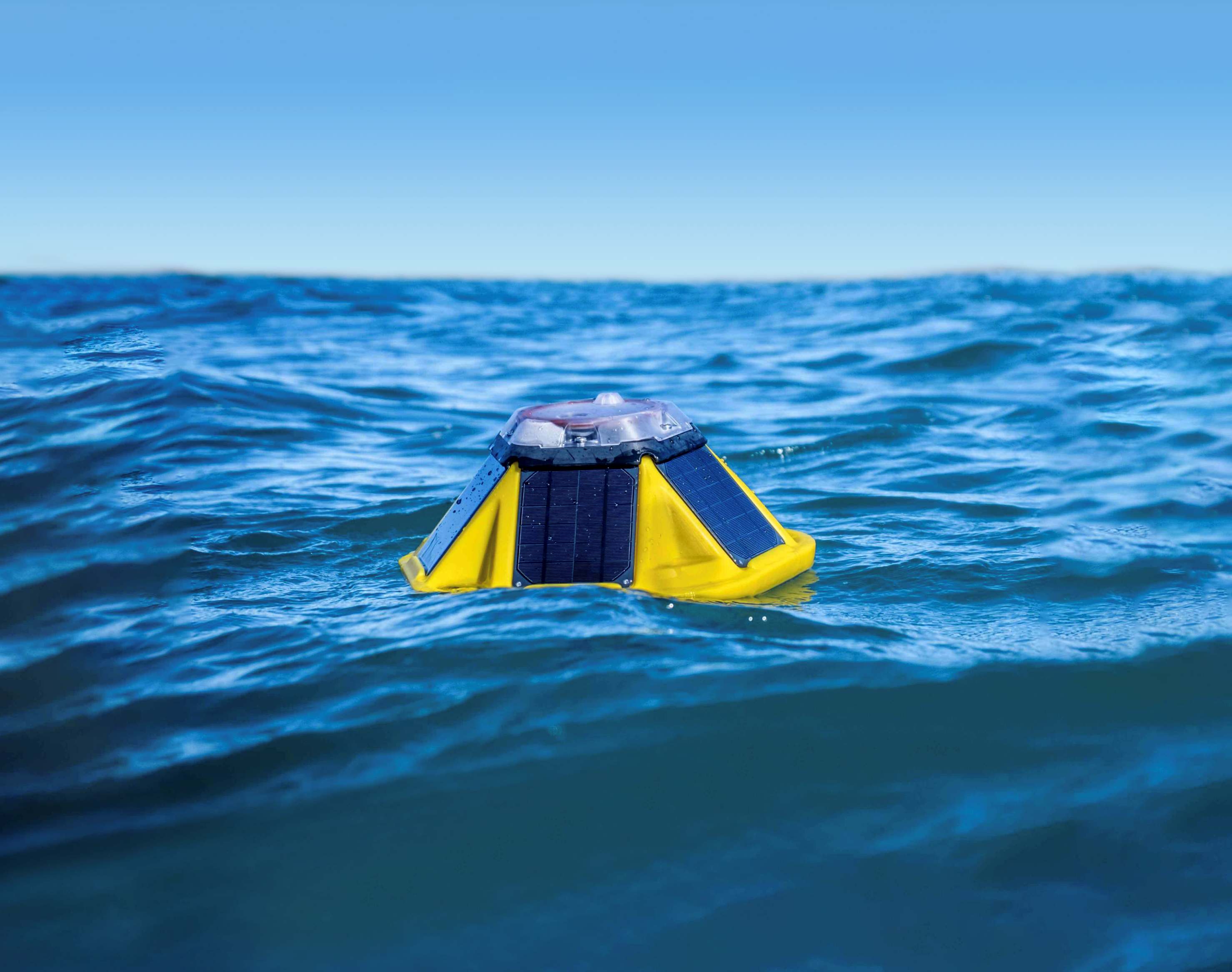
The project harnessed information from an array of 300 buoys deployed by private weather forecaster Sofar to build an accurate picture across the globe.
“These buoys, slightly larger than a basketball, are drifting freely on the ocean, following currents and swells and transmitting their location every hour,” Professor Young said.
Examining data from throughout 2023, the team focused on the Equator where there is little wind and waves are mainly created by swells rolling in from elsewhere.
“Waves at the equator are very long, up to 300m apart. Thanks to these buoys, we’ve been able to pinpoint the origin and destination of the swells that pass through that region. In every instance, they were generated by a storm. We’ve tracked swells from Antarctica all the way until Alaska 14,000 km away.”
Professor Young said the longest fastest waves took 12 days to travel that distance, while shorter waves took 15-17 days.
“They might start out 10m high and dwindle to only 10cm by the time they reach Alaska.”
The study, funded by the Australian Research Council, involved teams from six countries, and Professor Young said the findings would be useful in may sectors.
“Swells are difficult to measure, but have significant impact on coastal flooding, beach erosion, ship routing and the atmosphere as carbon dioxide levels in the environment are affected by waves.”
Professor Young has projected that ocean waves will increase across the globe as the world warms.
“There’s no doubt that as our climate changes we’re seeing an increase in the frequency and size of these storms in the Southern Ocean,” he said.

