Sign In



 International
News release
From:
Ecology: Threatened oceanic seabirds may be at high risk of plastic exposure *IMAGES & VIDEOS*
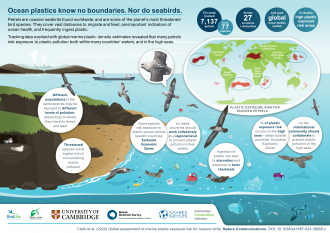
Areas around the world that represent a high risk of marine plastic exposure for oceanic seabirds called petrels are identified in a study published in Nature Communications. High exposure risk areas were identified in the Mediterranean and Black seas, as well as in the high seas and Exclusive Economic Zones (EEZs) of the USA, Japan, and the UK. The findings highlight the need for improved international cooperation and collaboration to address the global threat of plastic pollution.
Many seabird species are particularly sensitive to plastic pollution as they often ingest plastic or become entangled in it when foraging. Oceanic seabirds such as petrels, which cover vast distances during foraging and migration, are at higher risk as they retain plastic for longer periods owing to the structure of their digestive tract. Many petrel species are also considered threatened and likely to be vulnerable to plastic hazards. Given the rise in marine plastic pollution and its patchy distribution around the world, understanding where seabirds encounter and are at risk from plastic is crucial for informing mitigation and conservation actions.
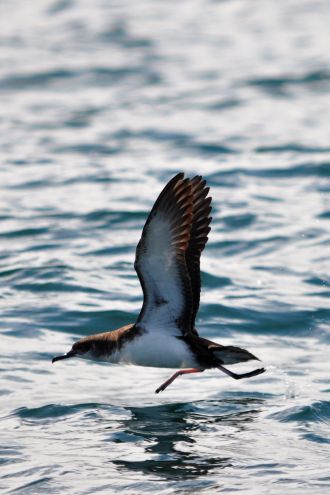
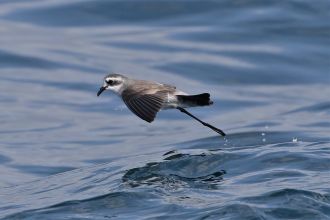
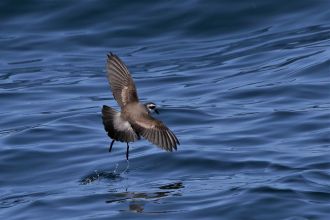
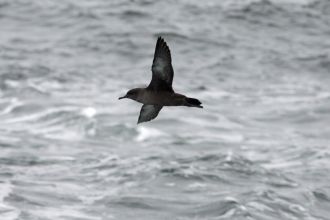
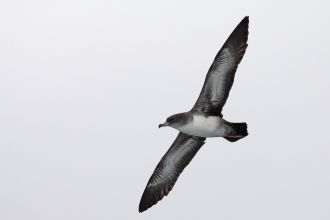
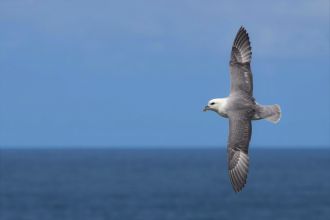
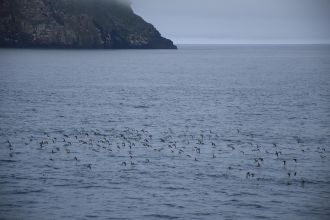
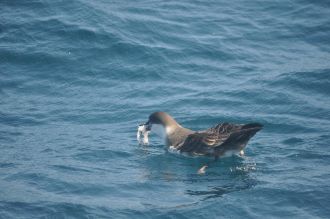
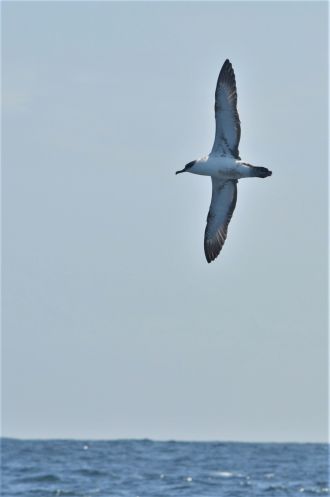
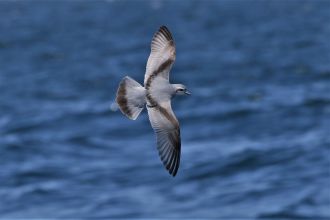
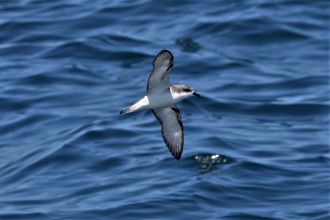
To investigate the overlap between petrels and ocean plastics, Bethany Clark and colleagues quantified the plastic exposure risk for 77 petrel species — including shearwaters, fulmars, and prions — at a global scale. They examined the overlap in space and time between marine plastic density estimates and individual tracking data from over 7,000 birds. The authors compared exposure risks across populations, seasons, and jurisdictions, including the high seas areas outside of EEZs that are beyond the national jurisdiction of coastal nations. They found that threatened species — such as Balearic shearwater, Newell’s shearwater, and Hawaiian petrels — have greater exposure risk. This is particularly concerning for species that already have a higher risk of extinction due to other threats, such as invasive species, fisheries and climate change. The authors found that exposure risk primarily occurred outside the EEZs where the birds breed, and so only mitigating plastic pollution within EEZs would not adequately protect most species.
The authors argue that international collaboration is key to addressing the impacts of marine plastic on a wide variety of species.
Multimedia