 Sign In



 New Zealand; International
News release
From:
Global experts rank the causes and impact of pollinator decline
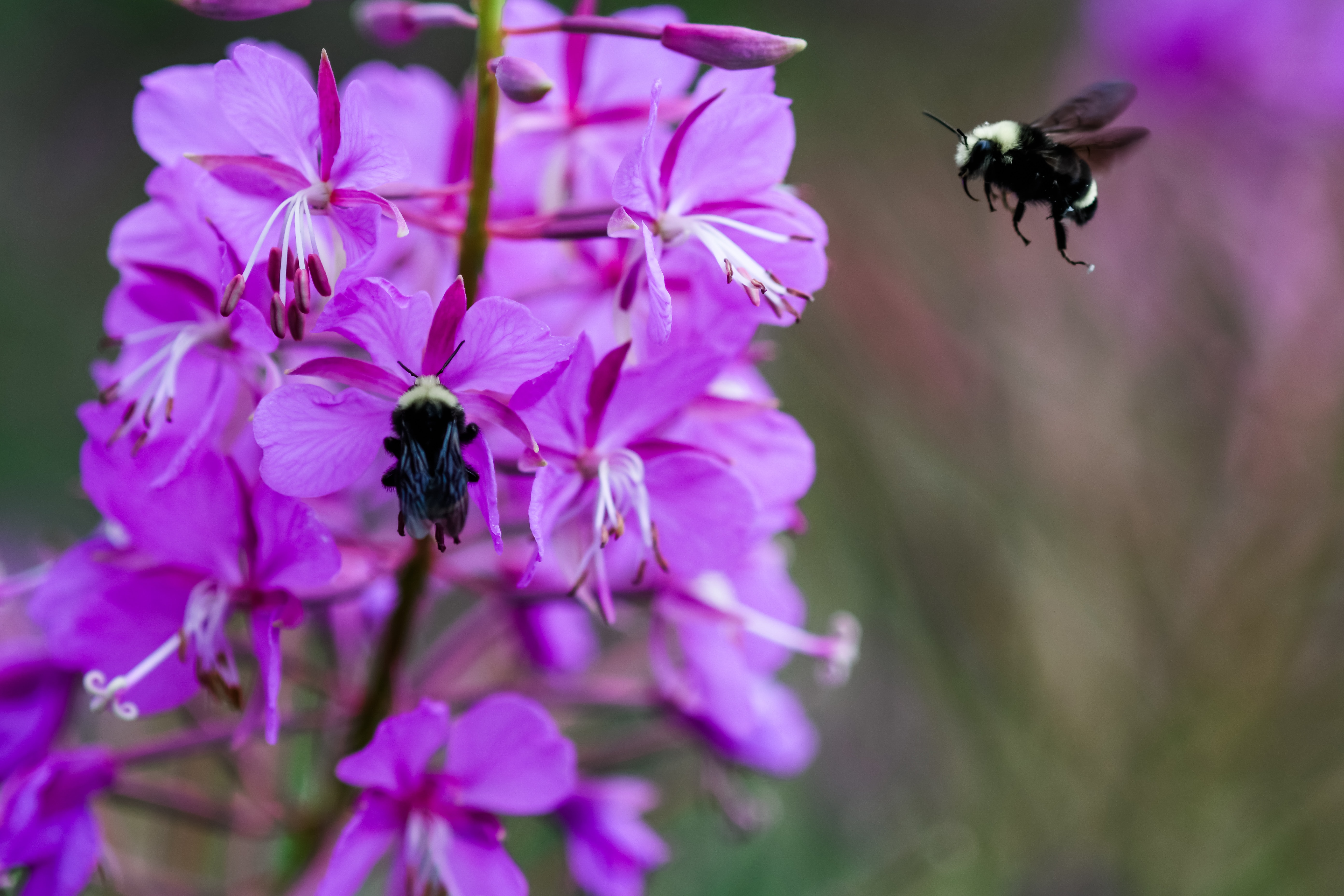
A study by global experts, just published in Nature Ecology and Evolution, suggests that changes in land use and management are the top causes of pollinator declines. The adverse effects on pollinators from pesticides, climate change, pests and disease are also major drivers, according to the study.
Pollinator declines have been widely reported around the world with mounting evidence showing reduced wild pollinator populations and crop production deficits. Animal pollination supports the success of more than 75% of the world’s flowering plants. It also adds billions of dollars to global crop productivity and supports food security. With a growing global population, driving increased food production, the need for pollination services is likely to grow.
Dr Brad Howlett, from Plant & Food Research, one of the paper’s authors, says “In New Zealand we have native bees but also a number of flies, moths and beetles that are important pollinators of crops and native plants. Some of these could also have a role in controlling insect pests. So we need to be thinking about how to protect the incredibly valuable services these pollinators provide.”
Published evidence supporting pollinator declines has mostly concentrated on Europe. The evidence is less conclusive in Australia and New Zealand but pollinator declines are likely here too.
The potential impacts from pollinator deficits range from yield instability in crops and lack of food system resilience, to loss of species richness and impacts on human wellbeing. In four out of the global regions assessed, yield instability in pollinator-dependent crops is classed “high risk”.
There is still scientific uncertainty around the overall impacts of pollinator decline on human societies, although the threats to pollinator diversity loss and crop deficits are clear. There is also variability across regions.
“We don’t know exactly what the picture is here,” says Dr Howlett. “Parallels with global trends are likely but we need to understand our unique environmental pressures and their effects on native pollinators. There is also variation across New Zealand. So it’s about understanding all of these complexities.”
This paper suggests that policy responses should focus on reducing pressure from key drivers across all regions – including land cover and configuration, land management, pesticides, climate change and pests and diseases.
Another notable finding is that perceived risks are greater in the Global South than in other regions. Research evidence on trends in pollinator populations and impacts of decline is greater in high-income countries compared to many countries thought to be most vulnerable to pollinator losses.
Attachments
Note: Not all attachments are visible to the general public. Research URLs will go live after the embargo ends.


