What we do in the shadows: exposing the secret night-shift of moths

Publicly released:
New Zealand
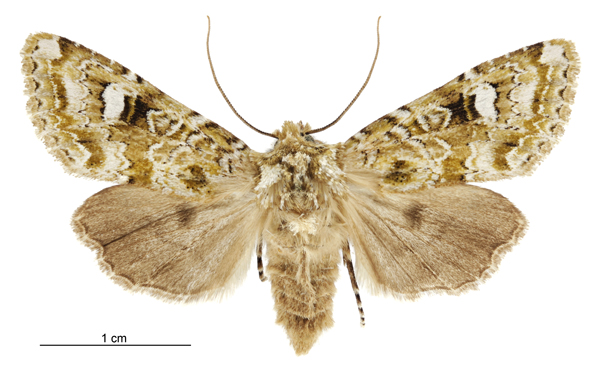
Credit: Birgit E. Rhode, Landcare Research NZ - https://commons.wikimedia.org/wiki/File:Graphania_plena_female.jpg

Exactly how moths transfer pollen between flowers hasn’t been studied much globally, mostly because it's tricky to study moths in the darkness of night. In a first-of-its-kind experiment, New Zealand scientists used a fluorescent pollen-tracker powder in the lab to test whether moths could effectively transfer pollen between certain flowers, including mānuka. The two studied moth species moved the pollen-tracker powder after visiting the mānuka, offering evidence that moths could be mānuka pollinators.

News release

From:

Journal/
conference:
New Zealand Journal of Ecology
Research:Paper
Organisation/s: Plant and Food Research, University of Otago, Otago Museum
Funder: The Miss E. L. Hellaby Indigenous Grassland Research Trust along with The Royal Forest and Bird Society (Dunedin Branch) generously provided funding for this research.
Media Contact/s
Contact details are only visible to registered journalists.