 Sign In



Multimedia

Attachments
Note: Not all attachments are visible to the general public. Research URLs will go live after the embargo ends.

 New Zealand
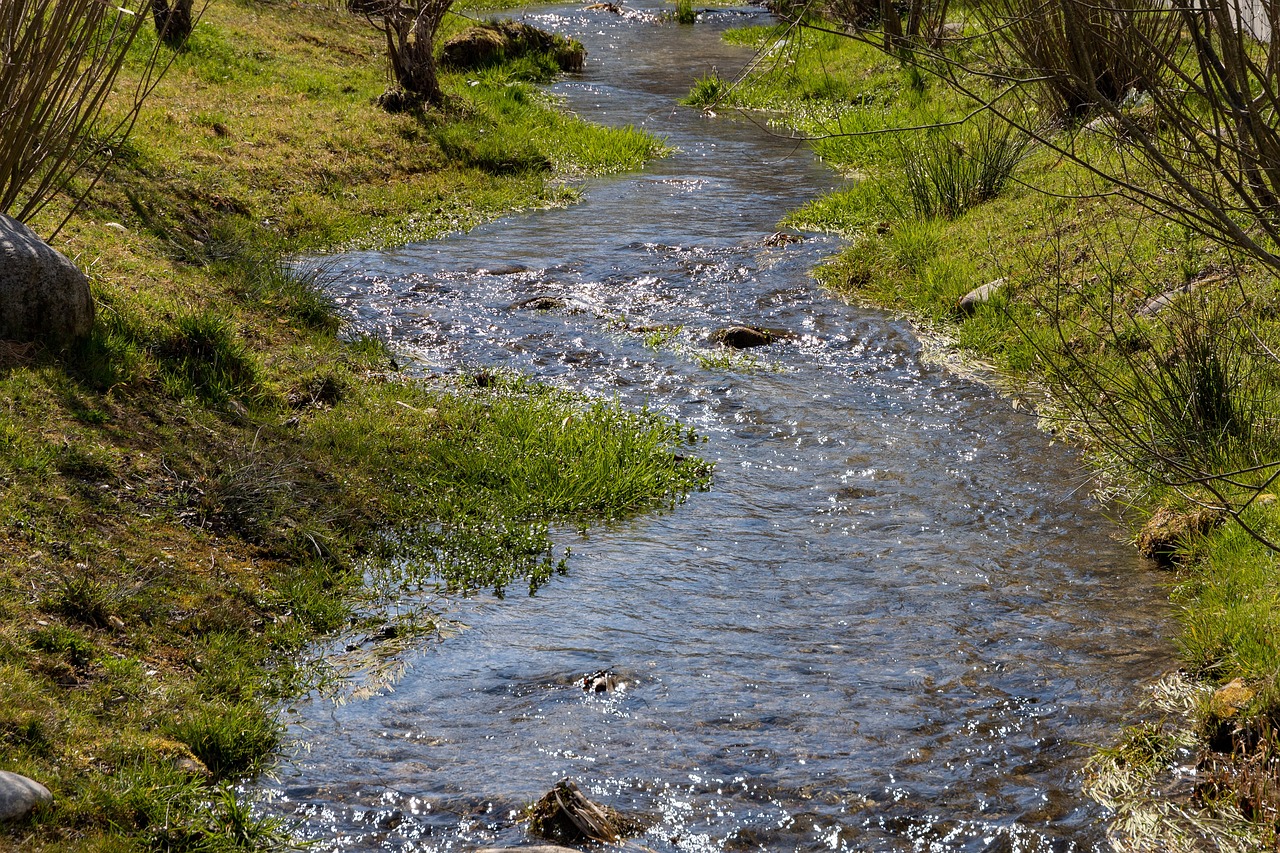
Whakaweku are bundles of bracken fern traditionally used to harvest kōura (crayfish) and small fish, by placing them underwater where these animals can colonise the ferns. Researchers had already shown whakaweku could be used in monitoring similar animals - but a new study finds they are also effective for monitoring macroinvertebrates (insects, shrimp, worms, and shellfish) in streams. The researchers placed several whakaweku in a Waikato stream, and compared the captured species to results from using a sampling net (kick-net), which dislodges the animals from streambeds. They found the whakaweku contained almost ten times more macroinvertebrates and comparable or higher diversity of species, and say that as they are cheap, easy to use, biodegradable and versatile, they are a valuable tool for cultural and community stream monitoring.
Note: Not all attachments are visible to the general public. Research URLs will go live after the embargo ends.

