 Sign In



 International
News release
From:
Pictorial warnings could reduce purchases of sugary drinks
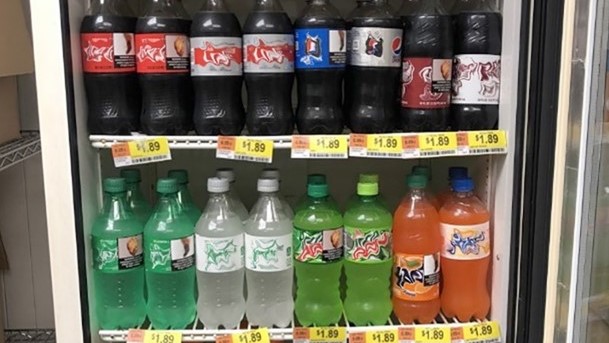
Purchases of sugary drinks could be reduced by pictorial health warnings, reports research publishing February 1st in the open access journal PLOS Medicine. A trial in a naturalistic store setting found parents bought fewer sugary drinks when products displayed pictorial warnings about type 2 diabetes or heart damage, as compared with barcode labels. The study suggests that policies requiring pictorial health warnings on sugary drinks could reduce purchases of these products.
Children in the US consume more than the recommended levels of sugary drinks, increasing their risk of a variety of chronic diseases, including type 2 diabetes and heart disease. Research has found that text warnings can reduce sugary drink consumption, but the effects of pictorial warnings remain largely uninvestigated.
Marissa G Hall and colleagues at the University of North Carolina at Chapel Hill randomly assigned 325 parents of children aged 2-12 to an intervention arm or control arm and asked them to choose a drink and a snack for their child plus a household item in a naturalistic store laboratory. The intervention group had pictorial health warnings about type 2 diabetes or heart disease displayed on drinks, while controls had barcode labels.
In the control group, 45% of parents bought a sugary drink for their child, compared to 28% in the pictorial warning group. Calories (kcal) from purchased sugary drinks were also reduced, with an average of 82 kcal for controls vs. 52 kcal for the pictorial warnings group. Parents in the intervention arm reported thinking more about their decision and the impacts of sugary drinks as well as lower intentions to serve sugary drinks to their child. Pictorial warnings could be a promising option for reducing purchases of sugary drinks for children, and related health outcomes.
Corresponding author Lindsey Smith Taillie adds, “Kids in the US consume too many sugary drinks, increasing their risk of a variety of health problems, from dental caries to chronic diseases like type 2 diabetes. We know from tobacco control research that warnings that include images are effective for reducing consumption. Our study is one of the first to show that this type of policy works for sugary drinks, too. This data provides evidence to support policies to require strong front-of-package warnings as a strategy to reduce children’s intake of sugary drinks.”
#####
Attachments
Note: Not all attachments are visible to the general public. Research URLs will go live after the embargo ends.


