 Sign In



 Australia; NSW; QLD
News release
From:
A University of Newcastle study has shown that a targeted online intervention can significantly reduce mobile phone usage among young drivers – with reported behaviour change sustained for at least one month.
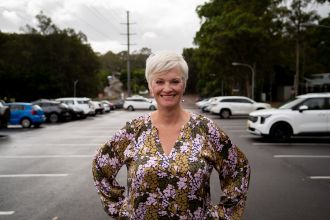
Led by social psychologist, Dr Cassandra Gauld from the University’s School of Science, the study tested a combined educational and behavioural approach designed to reduce smartphone use among drivers aged 18 to 25.
The research, funded through a Federal Government Road Safety Action Grant, was undertaken in partnership with Professor Katherine White from Queensland University of Technology (QUT) and Professors Ioni Lewis and Barry Watson from MAIC-QUT Road Safety Research Collaboration.
Dr Gauld said 175 young drivers from across Australia were involved in their longitudinal survey study.
“Studies show that up to 85 per cent of young drivers may use their phones while driving – whether to call, text, take photos or use apps,” Dr Gauld said.
“Despite having a general awareness of the dangers associated with mobile phone use as well as the legal penalties, young drivers aged 18 to 25 years continue to use their phone.
“This project allowed us to develop new, theory-driven approaches to reduce this risky behaviour.”
Participants were randomly assigned to one of four groups: an online behavioural intervention; an educational web resource; both components; or a control group. Behaviour was assessed before the intervention, one week afterwards again at four weeks.
The strongest results were observed among participants who engaged with both the educational webpage and the behavioural intervention.
“In that group, 73 per cent reported reducing their phone use one week later, and 67 per cent were still reporting reduced use after one month,” Dr Gauld said.
“That’s a meaningful and sustained reduction, particularly given how normalised phone use has become for many young drivers.”
Busting myths through short-form video
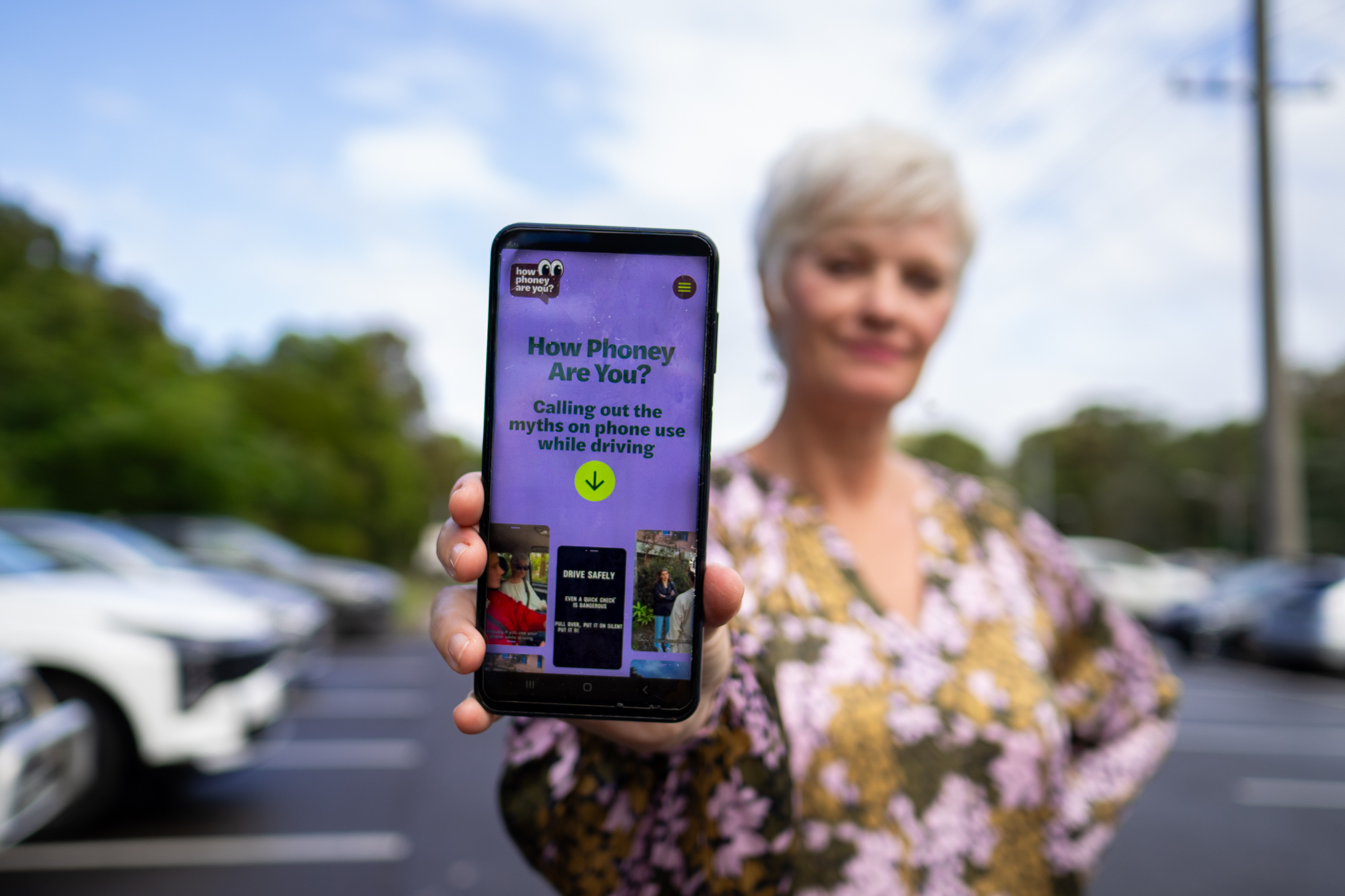
Developed specifically for the study, the web resource (www.howphoneyareyou.com) includes evidence-based information on distraction and crash risk, practical studies to avoid phone use, and series of Tik-Tok style videos.
“We know that simply telling young people ‘don’t use your phone’ is unlikely to change behaviour,” Dr Gauld said.
“These videos directly challenge common beliefs such as ‘I can multitask’ or ‘I only check it at red lights’. Addressing those misconceptions is critical.”
The videos were produced in collaboration with University of Newcastle Creative Industries students, combining behavioural science with youth-focused storytelling.
A psychologically informed intervention
The online behavioural component used an induced hypocrisy intervention — a strategy grounded in social psychology that highlights the gap between a person’s beliefs and their actions. Participants were asked to endorse safe driving behaviours and then reflect on occasions when they had used their phone while driving, creating discomfort which motivates them to act more consistently in future.
“This approach taps into internal motivation rather than relying solely on rules or enforcement,” Dr Gauld said.
The findings build on several years of University of Newcastle research examining why young drivers engage in phone use behind the wheel.
Emily Noble, a former Honours student supervised by Dr Gauld, investigated how personality traits influence the likelihood of distracted driving, helping to identify which young drivers may be more susceptible to risk.
“Understanding the psychological factors underpinning this behaviour is essential to designing effective interventions,” Dr Gauld said.
With young drivers overrepresented in crash statistics nationwide, the research provides evidence to inform future road safety programs aimed at reducing distraction and preventing avoidable harm.
“These findings demonstrate that carefully designed, evidence-based digital interventions can make a measurable difference,” Dr Gauld said.
Multimedia

Attachments
Note: Not all attachments are visible to the general public. Research URLs will go live after the embargo ends.


