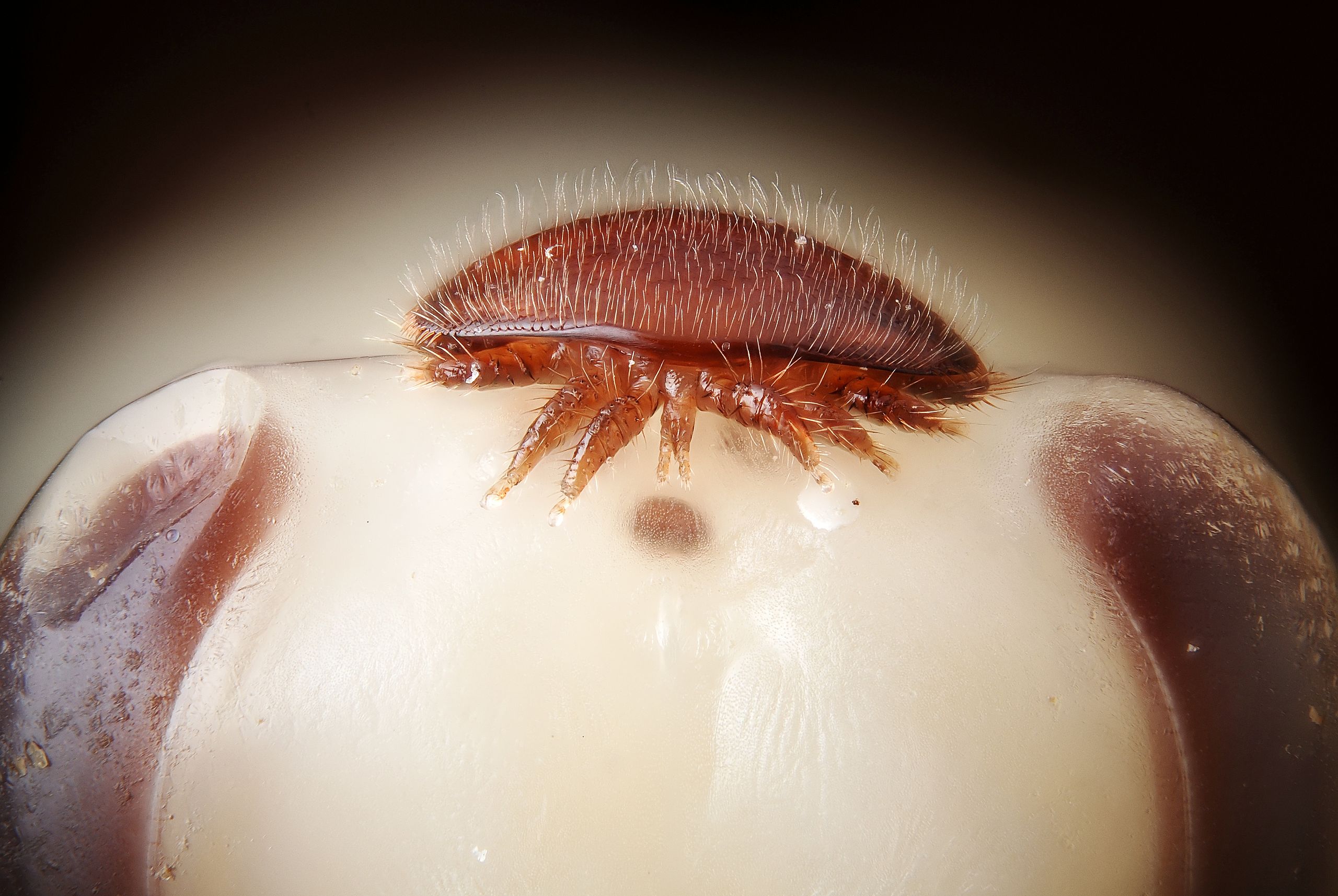
This bee parasite may also be spreading viruses

Publicly released:
New Zealand; International
Photo by Gilles San Martin from Namur, Belgium (via Wikimedia Commons)

The Varroa destructor mite is one of the most damaging honey bee pests in the world, however it's not just from the mite feeding on the bees, new research finds. Scientists looking at bee colonies across several countries including New Zealand, found colonies with varroa infestations also had more lethal viruses spreading throughout. While the mites transmit some viruses directly, like deformed wing virus, the researchers also suggest that "hitchhiker" viruses can more easily spread when the colony is weakened by parasites.


Media release

From: The Royal Society

The increase in honeybee mortality over the past two decades has been attributed to the exotic parasitic varroa mite and the viruses it vectors. This mite has spread rapidly across the world during the 20th Century. Using historical honeybee samples from Europe, New Zealand and North America, we analysed the viruses found in honeybees both beyond and behind the local varroa expansion front, finding dramatic changes in honeybee virus composition at all locations. Lethal viruses increased in prevalence and abundance in the presence of the mite, confirming their joint role in the ongoing high mortality of honeybee colonies.

Attachments

Note: Not all attachments are visible to the general public. Research URLs will go live after the embargo ends.

Research , Web page
Journal/
conference:
Royal Society Open Science
Research:Paper
Organisation/s: Ulm University, Germany
Funder: N/A
Media Contact/s
Contact details are only visible to registered journalists.