 Sign In



 International
News release
From:
Turner and Monet paintings hold clues to air pollution
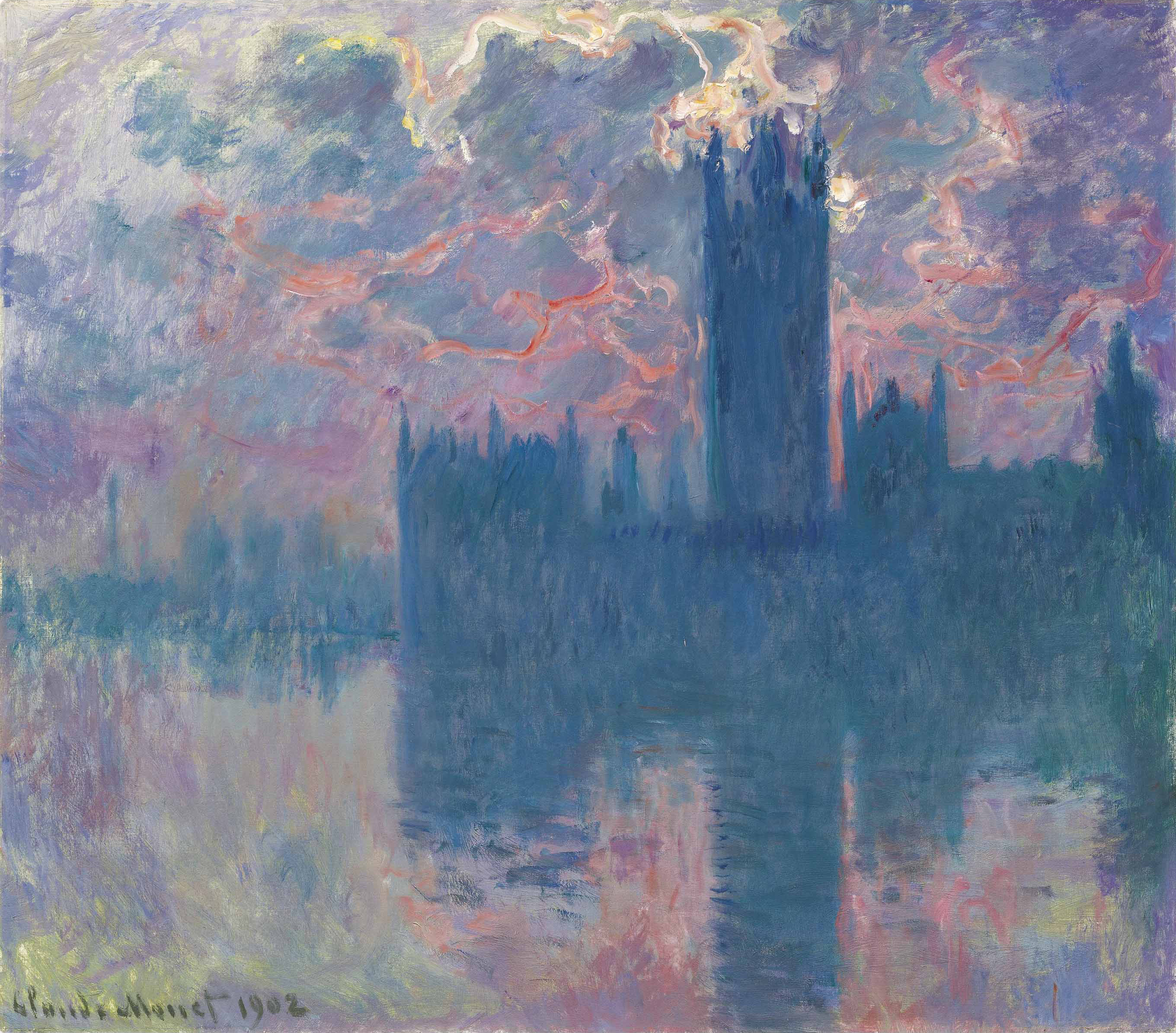
Some 19th-century works by artists such as Turner and Monet hold a record of air pollution from the Industrial Revolution, according to a study. Paintings have been known to mirror the atmospheric conditions in which artists painted. Anna Lea Albright and Peter Huybers developed a statistical model to determine whether the paintings of British artist J. M. W. Turner and French artist Claude Monet, whose works span the Industrial Revolution, reflect the heightened air pollution that clouded the skies over 19th-century London and Paris. The authors created a measure of contrast and tested it on photographs taken in clear and polluted conditions. Next, they measured contrast in 60 paintings by Turner and 38 paintings by Monet, including multiple views of the Houses of Parliament, Waterloo Bridge, and Charing Cross Bridge, and examined links with an indicator of historical air pollution based on sulfur dioxide (SO2) emissions. Increasing SO2 emissions were linked with reduced contrast in the paintings, even after accounting for time trends and subject matter. With increasing air pollution, Turner’s work transformed from sharp to hazy contours, saturated to pastel-like colors, and a figurative to impressionistic style. Similar changes were seen in Monet’s paintings. Additionally, the model predicted contrast in paintings by Gustave Caillebotte, Camille Pissarro, and Berthe Morisot based on pollution levels in Paris. Because aerosols reflect light of all wavelengths into the line of sight, the authors also examined links between pollution levels and light intensity. The paintings revealed a link between increased SO2 emissions and a whiter palette and increased intensity. According to the authors, the works of Turner and Monet carry quantifiable clues to air pollution levels during the Industrial Revolution.
Attachments
Note: Not all attachments are visible to the general public. Research URLs will go live after the embargo ends.


