 Sign In



 International
News release
From:
Evolution: Weak magnetic field may have supported diversification of life on Earth
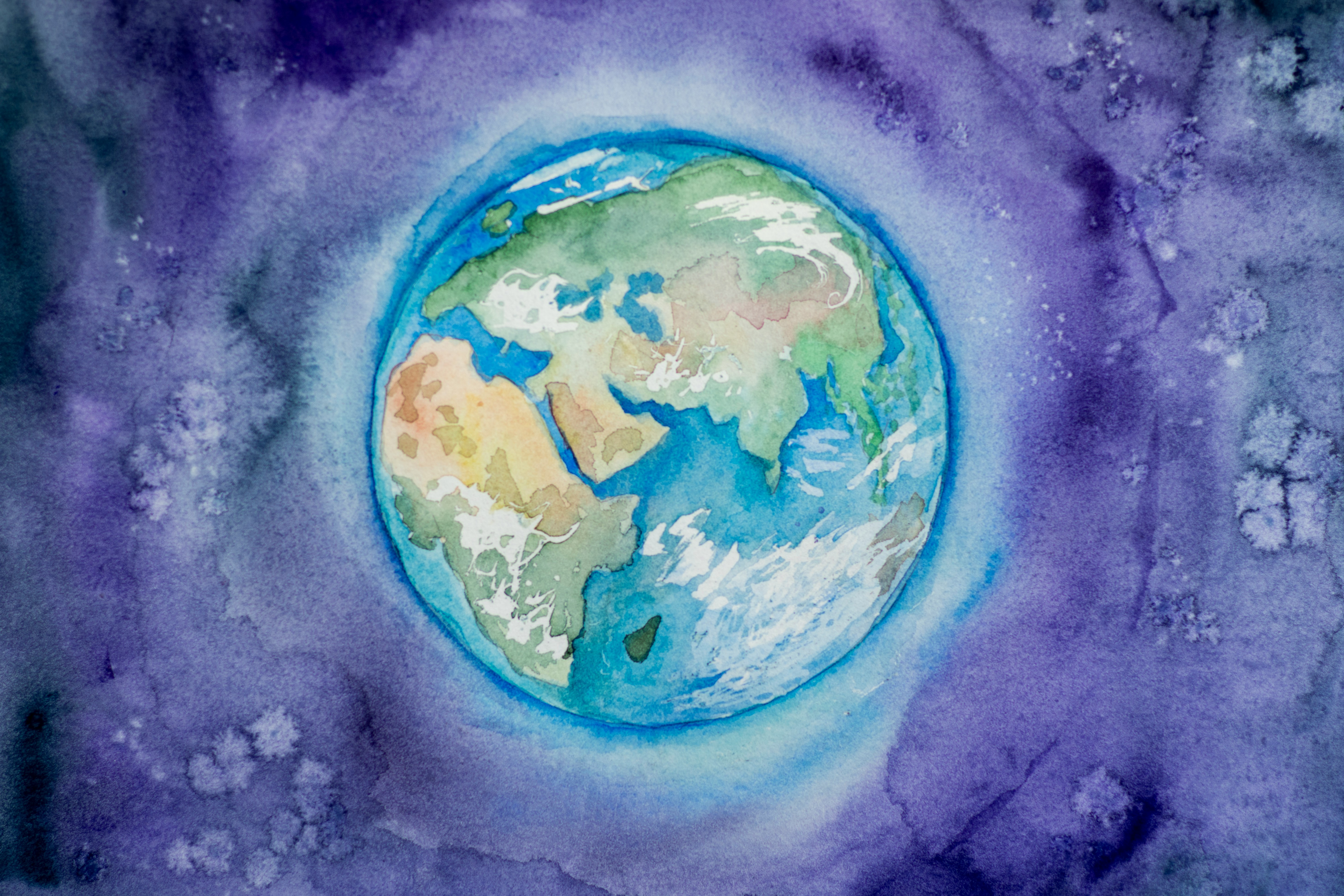
An unusual reduction in the strength of the Earth’s magnetic field between 591 and 565 million years ago coincided with a significant increase in the oxygen levels in the atmosphere and oceans, according to a paper published in Communications Earth & Environment. The authors propose that the weakening of the magnetic field may have led to the increase in oxygen, which is believed to have supported the evolution of some of the earliest complex organisms.
Between 600 and 540 million years ago, life on Earth consisted of soft-bodied organisms known as the Ediacaran fauna, the earliest known complex multicellular animals. The fossil record shows that these organisms significantly diversified in complexity and type between 575 and 565 million years ago. Previous research has suggested that this diversification is linked to a significant increase in atmospheric and oceanic oxygen levels that occurred over the same period. However, it is not yet clear why this increase in oxygen occurred.
John Tarduno and colleagues analysed the magnetic properties of 21 plagioclase crystals, a common mineral in Earth’s crust, which were extracted from a 591-million-year-old rock formation in Brazil. Plagioclase crystals contain tiny magnetic minerals which preserve the intensity of the Earth’s magnetic field at the time they are formed. Analysis of the crystals showed that, at their point of formation, the Earth’s magnetic field was the weakest ever recorded — some 30 times weaker than both the current magnetic field intensity, and that measured from similar crystals formed approximately 2,000 million years ago.
The authors combined their results with previous measurements to establish that the Earth’s magnetic field was at this weak level for at least 26 million years, from 591 to 565 million years ago. This overlaps with the rise in oxygen, which occurred between 575 and 565 million years ago. The authors propose that the weakened magnetic field may have allowed more hydrogen to escape to space, resulting in a greater percentage of oxygen in Earth’s atmosphere and oceans, which may in turn have supported the diversification in the types and complexity of organisms.
Attachments
Note: Not all attachments are visible to the general public. Research URLs will go live after the embargo ends.


