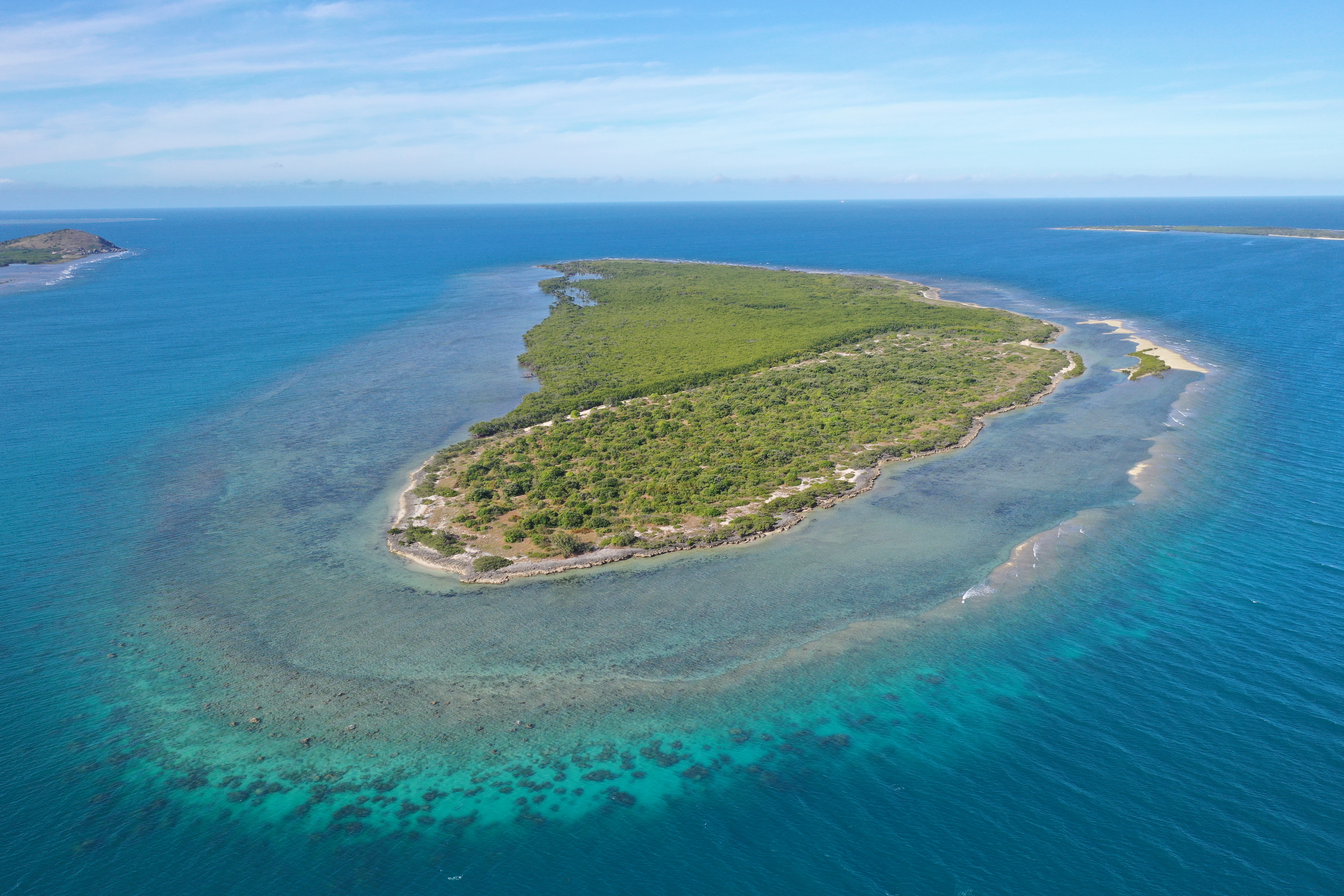
The mangroves in the northern Great Barrier Reef have been expanding for decades

Publicly released:
Australia; NSW; QLD
Copyright Sarah Hamylton

Mangrove forests on the low-lying islands of the northern Great Barrier Reef are expanding, according to Australian researchers. The team combined field surveys and canopy height models to map the mangroves of the Howick Islands and estimate their growth since the early 1970s. They say over the past 50 years, the mangrove forests have grown up to five metres a year, adding over 10,000 tonnes of biomass in the region. The researchers say this is likely in response to environmental changes including sea level rise, cyclones and sediment transport, and the new mangroves create new habitats and protect the island coastlines.

Media release

From: The Royal Society

  • Mangrows – Mangrove forests are expanding on low-lying islands of the Great Barrier Reef, creating new habitats and protecting coastlines from storms and sea level rise. Mangroves of the Howick Islands in the northern Great Barrier Reef have been mapped for the first time since 1974. The new maps show that the mangrove forests have extended at rates of up to five metres a year, adding over 10,000 tonnes of new biomass. Images and video availableProceedings B

Mangrove expansion on the low wooded islands of the Great Barrier Reef
Proceedings of the Royal Society B: Biological Sciences

Summary: Mangrove forests are rapidly expanding on remote sand cays in the northern Great Barrier Reef, capturing carbon and helping tiny islands grow despite rising sea levels

Contact: Dr Sarah Hamylton, University of Wollongong, shamylto@uow.edu.au

Attachments

Note: Not all attachments are visible to the general public. Research URLs will go live after the embargo ends.

Research The Royal Society, Web page The URL will go live after the embargo ends
Video The Royal Society, Web page
Journal/
conference:
Proceedings of the Royal Society B
Research:Paper
Organisation/s: University of Wollongong, The University of New South Wales, James Cook University, ARC Centre of Excellence for Coral Reef Studies
Funder: We received no funding for this study.
Media Contact/s
Contact details are only visible to registered journalists.