 Sign In



Attachments
Note: Not all attachments are visible to the general public. Research URLs will go live after the embargo ends.

 International
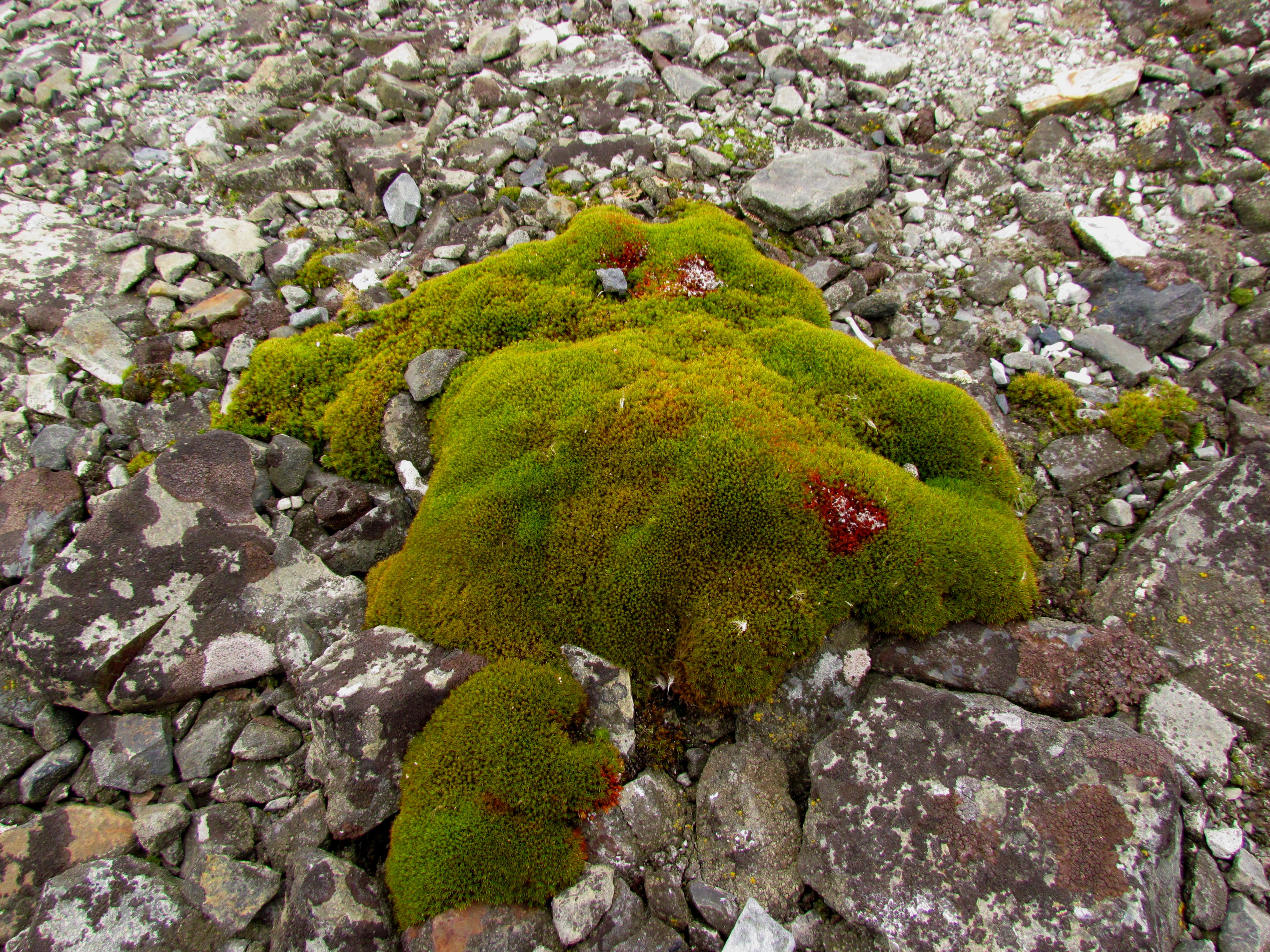
Thirty five years of satellite imagery show plant cover is increasing on the northernmost part of Antarctica. Researchers found that areas of vegetation on the Antarctic Peninsula have increased from less than 0.9 square kilometres to almost 12 square kilometres, in a roughly 14-fold increase, from 1986 to 2021. The rate of greening was higher in 2016-2021, which could be linked to lower sea ice cover causing warmer, wetter conditions. The authors say their observations could be explained by the spread of existing moss-dominated vegetation but that mosses help convert rocky surfaces into soil, which could make it easier for other plants, including invasive species, to spread in future.
Note: Not all attachments are visible to the general public. Research URLs will go live after the embargo ends.

