 Sign In



 Pacific; International
News release
From:
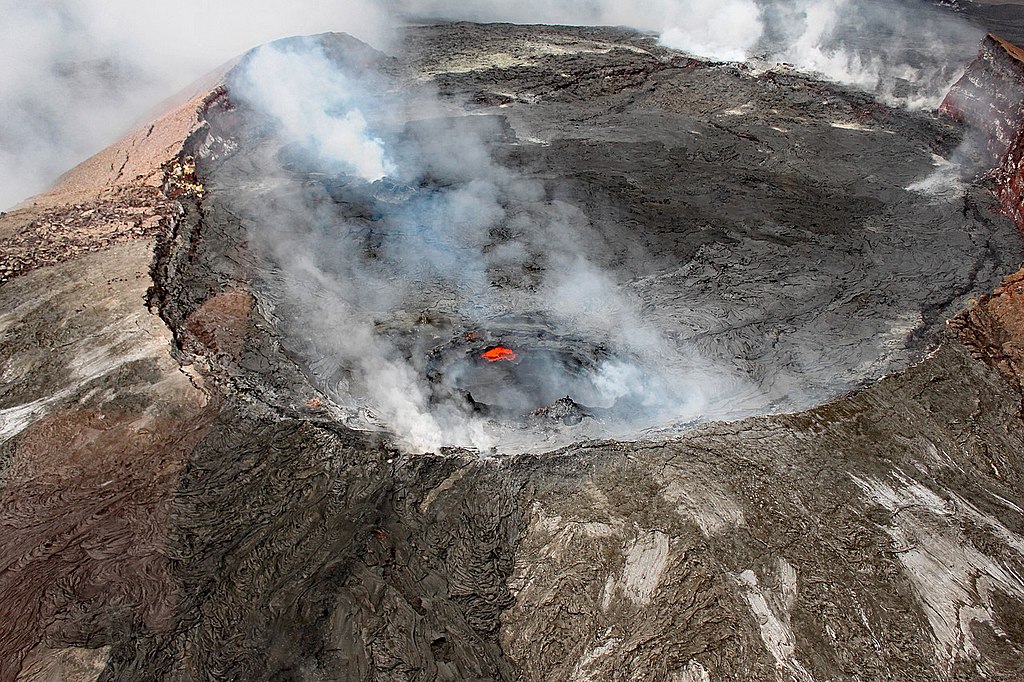
A mechanism that resembles the action of a stomp-rocket toy may be behind some explosive volcanic eruptions of Kīlauea, Hawaii, suggests a paper published in Nature Geoscience. The findings may help to explain the formation of atmospheric plumes of hot gas and rock particles erupted by the volcano that are hazardous for human health and can cause societal disruption.
Explosive eruptions are typically driven by either rising molten rock (magma) or by expanding steam from magma heating underground water. However, geologists have identified 12 eruptions of Kīlauea in May 2018 that can’t be explained by those mechanisms.
Josh Crozier and colleagues instead suggest that a mechanism similar to a stomp-rocket toy may explain these 2018 eruptions in Hawaii. The researchers used geophysical data to determine the magma reservoir’s pressure changes and used 3D models to simulate the ascent of the eruptive plume. Crozier and colleagues suggest that observations of the May 2018 Kīlauea eruptions are consistent with the collapse of the magma reservoir suddenly increasing the pressure of gas trapped in the chamber and leading to an explosive eruption like a stomp-rocket toy, which contains a gas-filled cavity that, when stomped on, shoots a toy rocket into the air.
The authors note that this stomp-rocket mechanism may not be unique to the 2018 eruptions of Kīlauea, and may also be involved in collapse eruptions at other volcanoes, multiple of which have occurred in the past century. They argue that understanding the dynamics of plume formation from collapse-driven eruptions could help with forecasting hazards to aviation and local populations.
Multimedia

Attachments
Note: Not all attachments are visible to the general public. Research URLs will go live after the embargo ends.


