 Sign In



 International
News release
From:
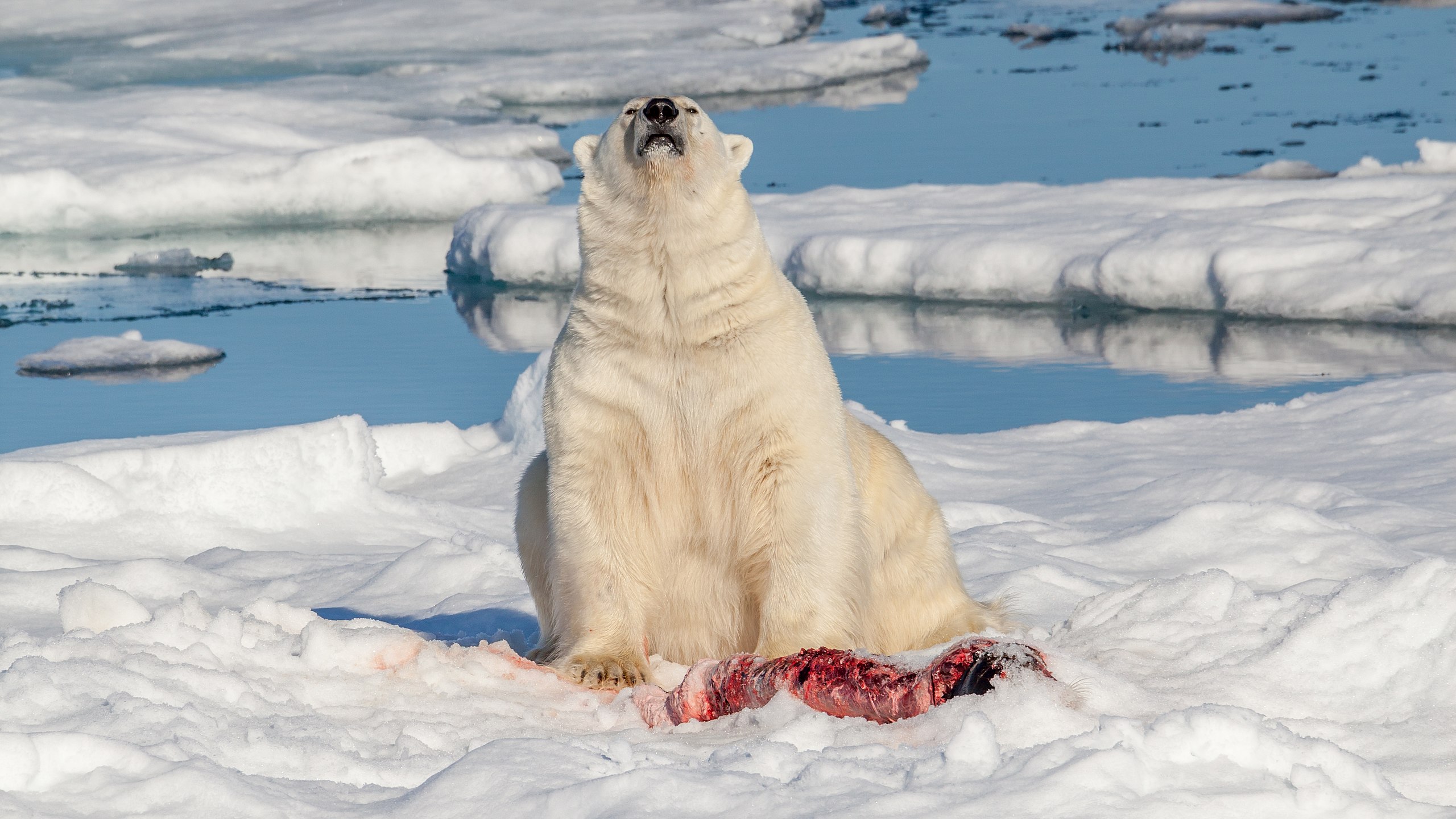
In a Perspective, Briana Abrahms illustrates the role of climate change in intensifying the frequency and severity of conflicts between humans and wildlife. Human-wildlife conflicts are the adverse outcomes that result from the direct interactions between humans and wildlife; they often result from seeking limited resources in shared landscapes. These conflicts account for significant costs to the global economy and are the leading cause of biodiversity loss worldwide. According to Abrahms, climate changes exacerbate human-wildlife conflict by driving resource scarcity and forcing people and wildlife into increasingly crowded landscapes. However, the complex connections among the climate, ecological and social dynamics involved and how they contribute to this rise in conflict aren’t fully appreciated. Extreme climate events and long-term climate change can result in significant changes to resource and habitat availability that strongly affect both animals and people, leading to increased co-occurrences and competition. For example, a severe drought in India, which led to a sharp decline in plant production, drove wild elephants into human-dominated areas, resulting in increases in crop damage and fatalities. These dynamics are also increasing in the oceans – warming waters off the coast of South Africa displaced great white sharks into human areas, leading to a nearly fourfold increase in shark attacks in a single year. According to Abrahams, investigating the interrelated consequences of climate change on wildlife and human populations is crucial to understanding and mitigating future conflicts between people and wildlife. Achieving these goals requires an interdisciplinary approach, combining diverse fields ranging from ecology and biology to political science economics. “As climate change continues to drive both increased climate variability and directional change, climate-driven human-wildlife conflict can be expected to be a recurring challenge,” writes the author. “To protect wildlife and humans alike, it is vital that a diverse body of research and institutions considers the role of a changing climate in shaping the complex socioecological dynamics of conflict.”
Attachments
Note: Not all attachments are visible to the general public. Research URLs will go live after the embargo ends.


