 Sign In



 International
News release
From:
Surprisingly sweet seagrass
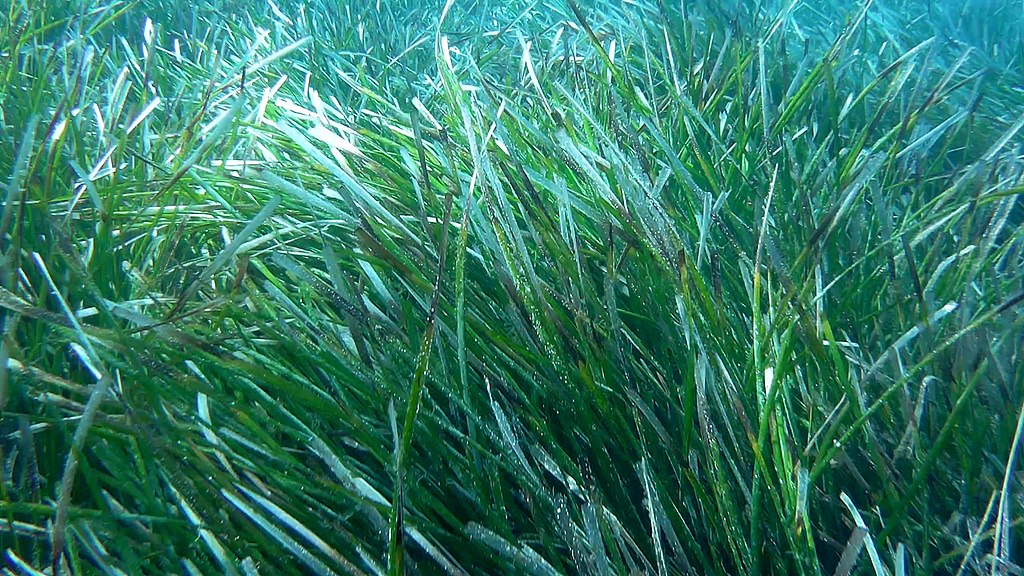
Sucrose accumulates under seagrass meadows at concentrations that are approximately 80 times greater than previous marine records, according to a study in Nature Ecology & Evolution. The findings indicate that seagrass could represent a large global store of organic carbon, predicted to result from the inhibition of microbial activity that would otherwise degrade it.
Seagrass meadows are important marine habitats because, as well as providing shelter and food for marine biodiversity, they may also bury carbon stored in their tissues at 35 times the rate of terrestrial rainforests of the same area. Seagrass are also able to excrete carbon in the form of simple sugars and other compounds through their roots. However, the role of marine microbes in the consumption and cycling of these carbon sources is not well understood.
Maggie Sogin and colleagues analysed the chemistry of water samples from within the sediment (also known as porewaters) beneath three different meadows of the seagrass Posidonia oceanica in the Mediterranean and other seagrasses in Caribbean and Baltic seas. Unexpectedly high concentrations of sucrose were found near the seagrass roots: globally, the upper 30 cm of seagrass sediments represent a supply of 0.67–1.34 teragrams of sucrose. Analysis of the genomes of microbes living within the sediment beneath seagrass meadows revealed that although 80% of the recovered microbial genomes contained sucrose-degrading genes, these genes were only expressed in 64% of genomes. The authors predict that low oxygen conditions in combination with the presence of of plant compounds known as phenolics (which substantially inhibit microbial activity) could explain the accumulation of sucrose.
The authors conclude that the accumulation of sucrose underneath seagrasses could represent a valuable deposit of organic carbon that is likely to also be found associated with other marine and aquatic plants.
Attachments
Note: Not all attachments are visible to the general public. Research URLs will go live after the embargo ends.


