 Sign In



 New Zealand; International
News release
From:
Rapid Antigen Tests best tool for isolation periods
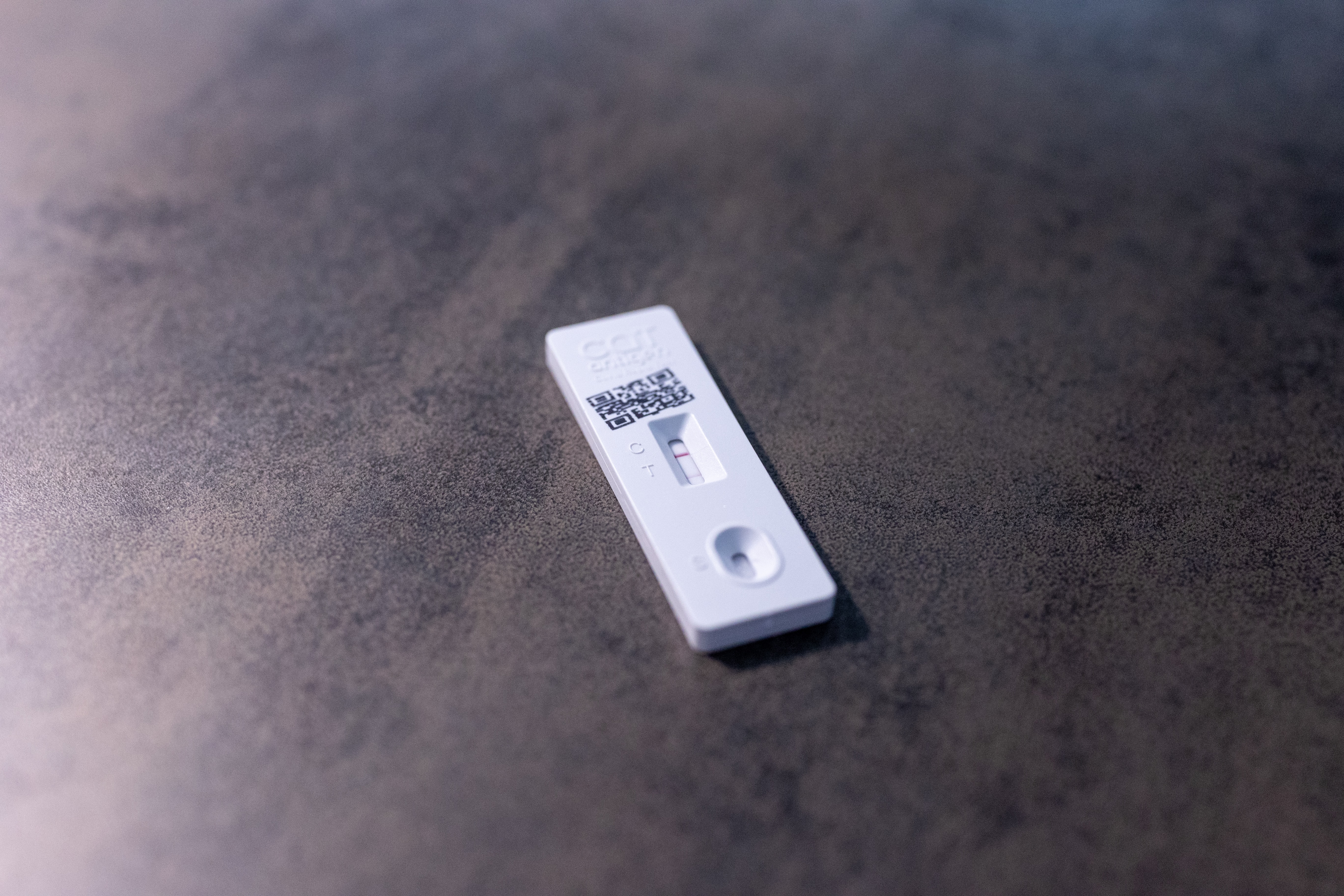
New modelling by Covid-19 Modelling Aotearoa suggests that testing with Rapid Antigen Tests before ending isolation for confirmed cases of Covid-19 would significantly decrease the risk of onward transmission, while allowing many people to isolate for shorter periods.
A number of countries have introduced a ‘test-to-release’ policy to shorten the minimum isolation period for confirmed cases of Covid-19. In a report released today, Covid-19 Modelling Aotearoa has investigated the impact of different isolation periods and test-to-release conditions for SARS-CoV-2.
Results suggest that adding a test-to-release criterion (i.e. people with confirmed cases of Covid-19 returning a negative test result before they head back into the community), to the current seven day minimum isolation period, offers the opportunity to significantly reduce the risk of onward transmission, while resulting in only minor increases in the average time spent in isolation.
“Rapid Antigen Tests are the best tool we have to tell if people are still infectious, so it is possible to tailor an isolation period to when people are infectious. Some people could leave isolation sooner than seven days, some people will need to isolate for longer,” says Dr Emily Harvey.
Alternatively, a scenario with a minimum isolation period of only five days, but using a two test-to-release policy with a maximum isolation period of 10 days, results in an expected decrease in average hours infectious in the community, relative to the current policy, as well as a decrease in the overall time spent in isolation for confirmed cases.
“You can trust rapid antigen tests, and you should use them. When they’re positive, you are likely infectious, because we now know that false positives are vanishingly unlikely. Once you’re a confirmed case and you have tested positive once, you should trust the result that you get from a Rapid Antigen Test,” Dr Harvey continues. “If a Rapid Antigen Test says you’re infectious, then behave like you’re infectious. Isolate and do what you can to reduce risk.”
Dr Dion O’Neale adds, “If people leave isolation after seven days while still testing positive, that means they will be out in the community while they are still infectious. The current settings also make some people isolate for longer than they need to, when they are no longer infectious.”

