 Sign In



News release
From:
Attachments
Note: Not all attachments are visible to the general public. Research URLs will go live after the embargo ends.

 New Zealand
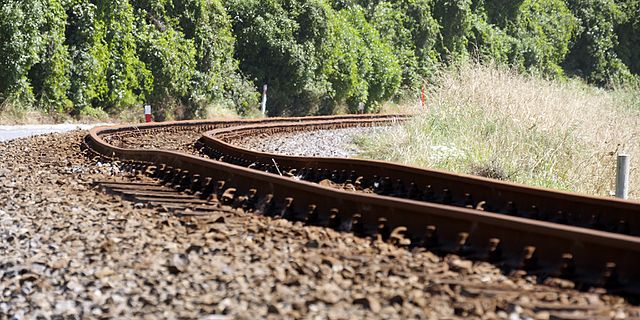
A study on the 2016 Kaikoura earthquake shows how "overpressured" fluids underground – basically, lots of water molecules trapped under an impermeable layer of rock – likely facilitated the beginning of the quake. The researchers also found that a chunk of earth near Kaikoura may have deflected the rupture to the north, causing it to spread across over 20 faults under land, rather than eastwards, under the sea. They say that similar chunks of earth (known as "high-velocity bodies") have been found at other major quakes such as the 1906 San Fransisco event and the 2010–2011 Darfield-Christchurch sequence.
From:
Note: Not all attachments are visible to the general public. Research URLs will go live after the embargo ends.

