 Sign In



 International
News release
From:
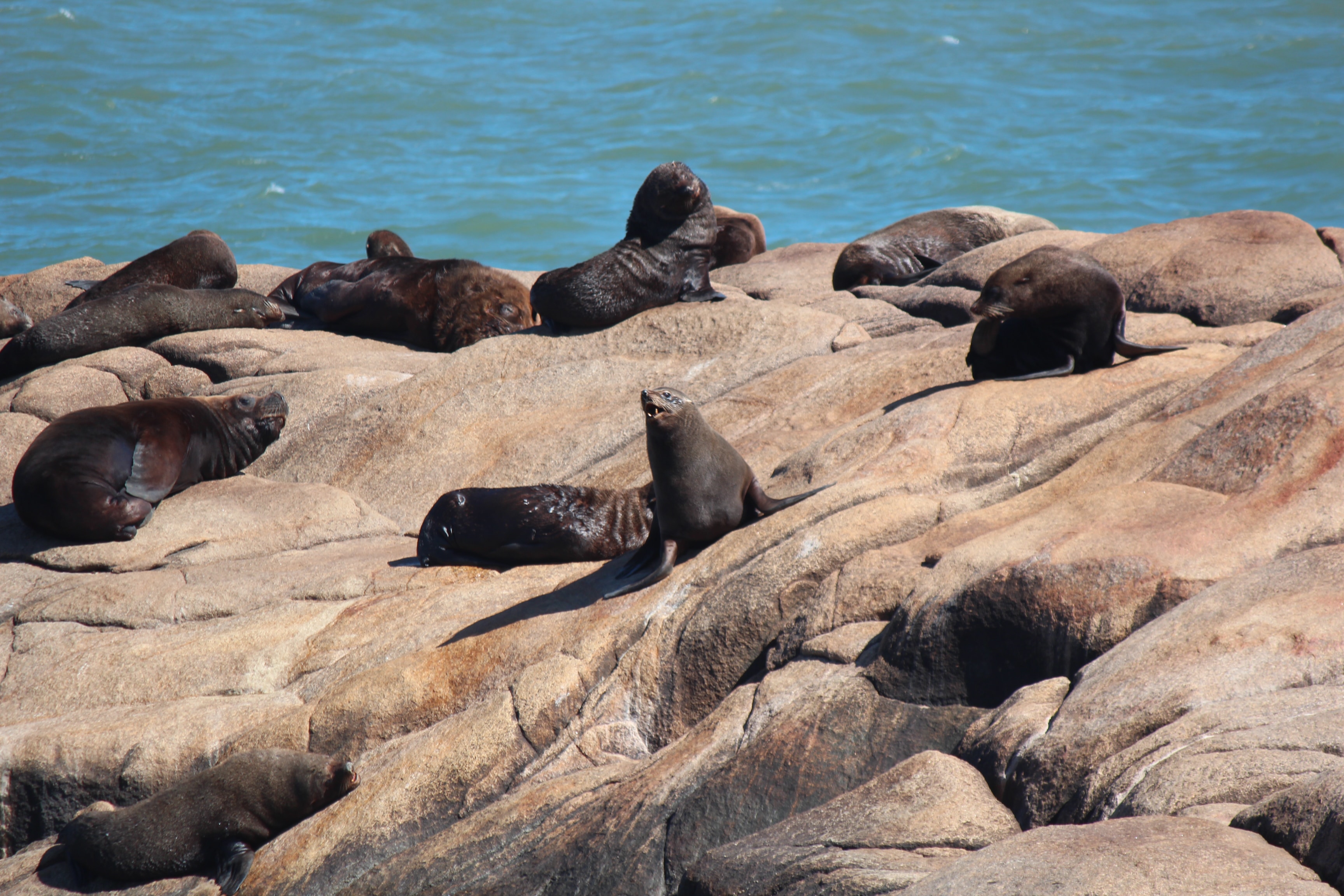
A Seal/D Seal - Even species living in isolated environments, away from human sources of pollution, show high levels of exposure to heavy metals. Researchers collected faecal, bone and prey samples from three fur seal colonies located in the remote Juan Fernandez archipelago, off the coast of Chile. Calcium and cadmium levels were among the highest reported in any mammal. These findings may be relevant to biomedical research and food safety. Royal Society Open Science
Heavy metal contamination in pristine environments: lessons from the Juan Fernandez fur seal (Arctocephalus philippii)
Mercury and cadmium are toxic heavy metals that can severely harm the environment and human and animal health. This study found exceptionally high concentrations of these metals in Juan Fernandez fur seals scat, a marine mammal living in a remote Chilean archipelago. Diet is likely to be the source of exposure. Cadmium was also found in the seals' bones. Still, it did not show mineral changes associated with cadmium toxicity seen in other species, suggesting adaptations to the metal. The findings contribute to biomedical research and food safety and demonstrate the need for surveillance of apparently pristine environments.
Attachments
Note: Not all attachments are visible to the general public. Research URLs will go live after the embargo ends.


