 Sign In



 Australia; International
News release
From:
Sociology: Older adults worldwide exhibit increased, but more nationally focused, prosocial behavior
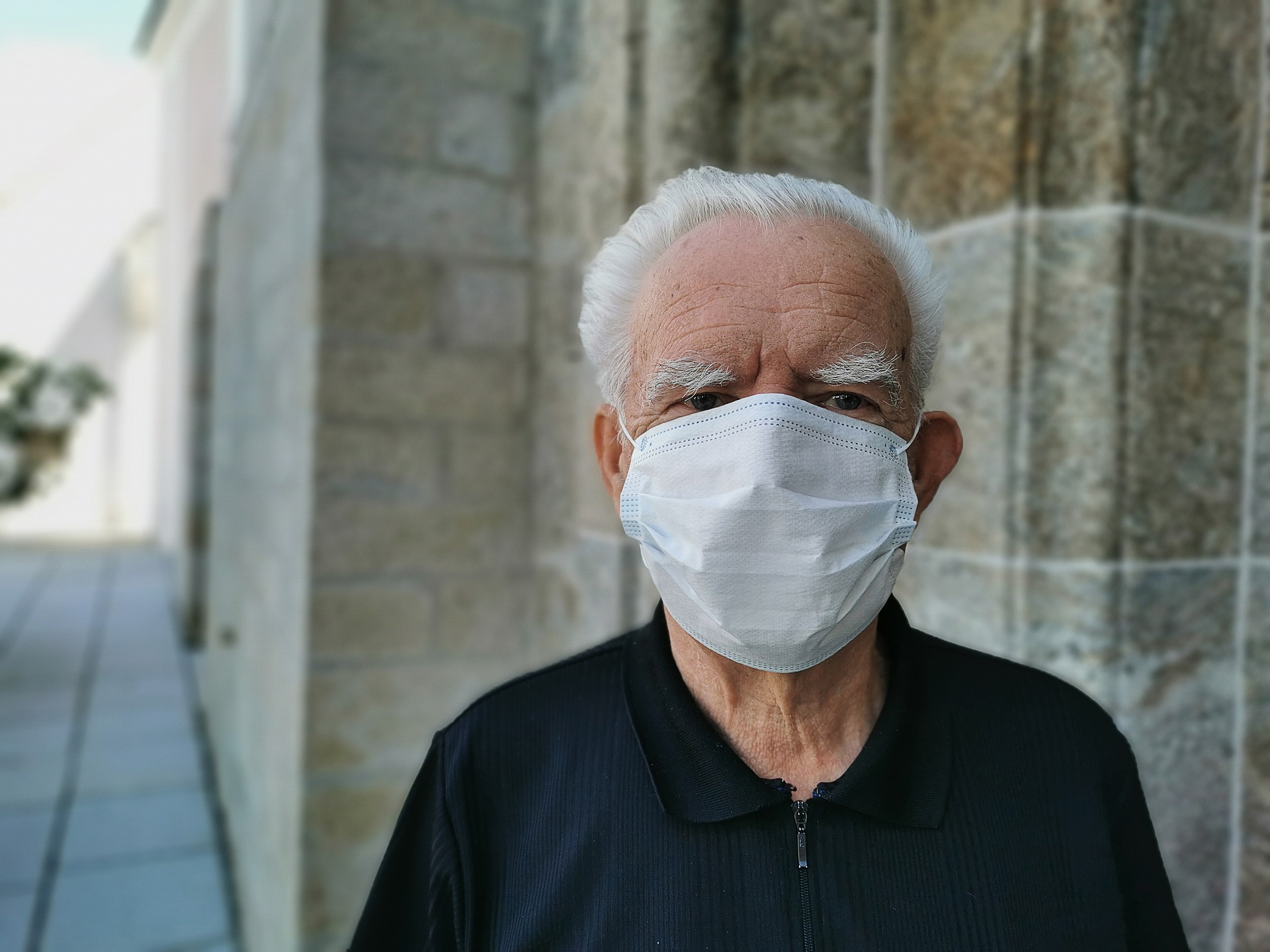
Older adults across the globe are more likely to engage in actions that benefit others (prosocial behaviors), such as social distancing during the COVID-19 pandemic and making charitable donations, than younger adults, according to a study published in Nature Aging. Older adults are, however, less likely to donate to international over national charities, demonstrating stronger in-group preferences than their younger peers.
Jo Cutler and colleagues analyzed data from a pre-registered global survey of 46,576 people aged 18 to 99 years, across 67 countries. This survey — conducted between April and May 2020 — was used to examine whether age can predict the reported degree of social distancing during the COVID-19 pandemic or willingness to donate to hypothetical charities. The authors found that age positively predicted prosocial behavior on both measures, with increased reported levels of distancing and donations amongst older adults compared to their younger counterparts. However, the former reported greater in-group preferences, with more willingness to donate to national, rather than international, charities.
These findings provide evidence for the self-reported, increased positive helping behaviors exhibited by older adults across many different nations and cultures during a global crisis. The authors conclude that this study has important implications for increasing compliance with public health measures, as well as predicting the social and economic impacts of aging populations.
Attachments
Note: Not all attachments are visible to the general public. Research URLs will go live after the embargo ends.


