 Sign In



 Australia
News release
From:
From secondary schools to university, trades to big business, Australia lacks the hydrogen skills and training capabilities it needs to achieve its newly legislated carbon reduction targets, according to new research by Swinburne University of Technology’s Victorian Hydrogen Hub (VH2).
Mechanics and drivers, gas and electrical workers, plumbers and technicians are just some of the people VH2’s Hydrogen Skills Roadmap says are likely to be impacted, making skilling new workers and upskilling existing workers a pressing issue facing the nation.
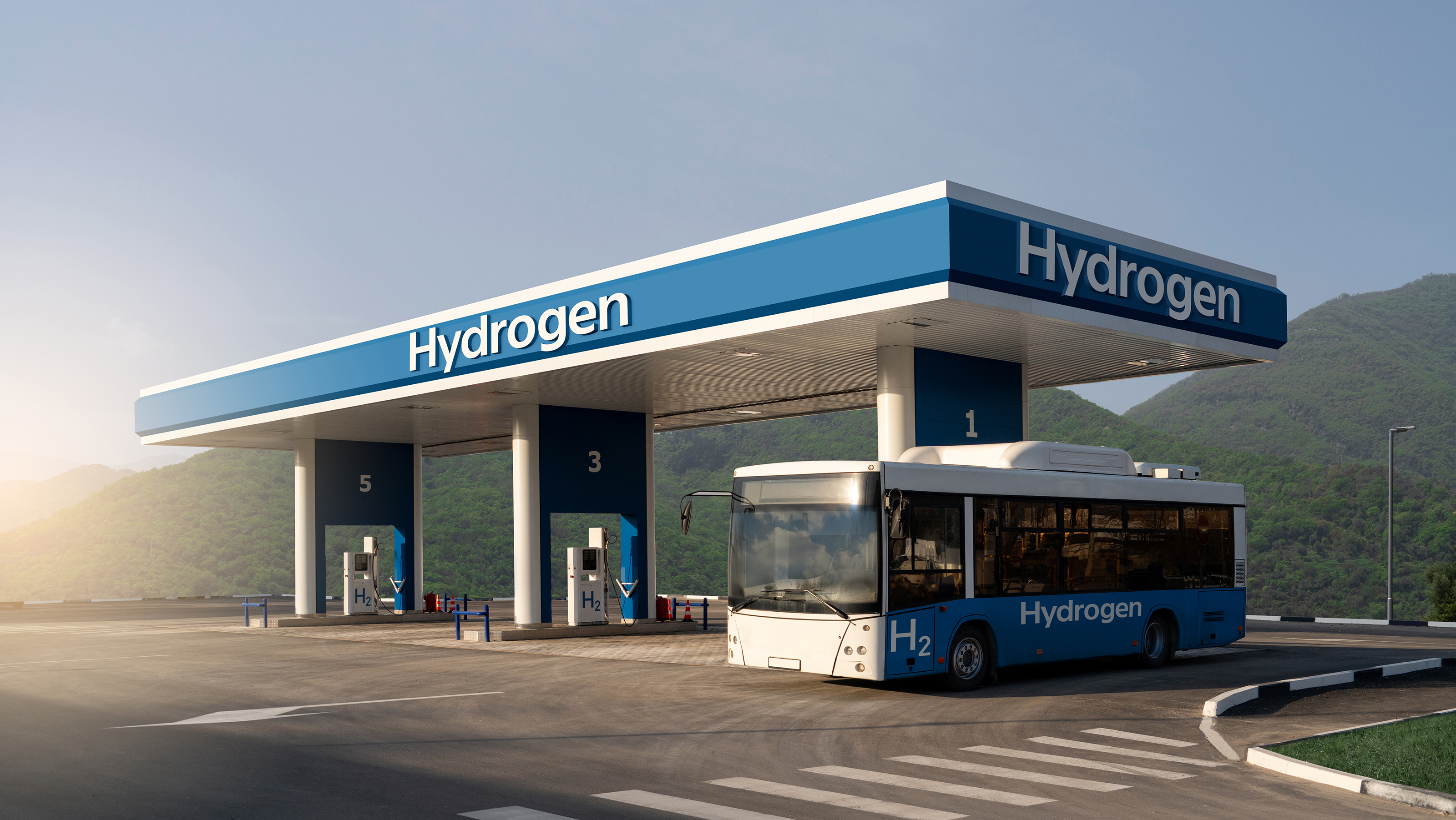
Heavy vehicle transport was identified as an area for urgent attention, as the hydrogen transition requires diesel mechanics to update their skills in the near term.
In collaboration with over 37 industry representatives, VH2’s Hydrogen Skills Roadmap identifies the jobs impacted and the skills required for the burgeoning hydrogen sector, which will be critical to achieving Australia’s carbon emission reduction targets. It also collates existing education and training in Australia and overseas.
The implementation of hydrogen into the Victorian economy is a key strategy in the state government’s plan to reach zero emissions by 2050. Education and training planning is essential to achieve these goals, with train the trainer courses, trades courses, school curriculum changes, micro-credentials, higher education and industry engagement programs all forming part of the solution.
To ensure that Victoria and the rest of Australia remains engaged in the growing hydrogen economy, the report urgently recommends training must be developed in all sectors, including the establishment of a Hydrogen Skills Centre to leverage research and grow skills and knowledge.
With the current high demand for engineers and high-level workers in the hydrogen sector and the predicted impact on trades, the first priority must be basic awareness and safety to prepare a large workforce for the changes.
To be attributed to Deputy Vice-Chancellor (Research), Professor Karen Hapgood, from Swinburne University of Technology.
“As we move towards a more innovative and sustainable planet through hydrogen technology, we must be focused on teaching the skills required to make this technology a reality.
“At Swinburne, we are committed to ensuring we develop the skills that industry needs and that students require for the jobs of the future, across vocational education, higher education and research.”
To be attributed to Director, from Swinburne University of Technology’s Victorian Hydrogen Hub (VH2), Gordon Chakoadza.
“Hydrogen gas is not new but the way we intend to use it will be. The first educational priority is raising awareness of hydrogen – its nature and its applications.
“Hydrogen will impact a range of jobs across the supply chain. Trades people will need to know about the intersection between hydrogen gas and electricity. Diesel mechanics may become extinct in the decades to come, due to fuel cell technology being taken up rapidly by the heavy vehicle industry. We must start preparing for this now.”
Attachments
Note: Not all attachments are visible to the general public. Research URLs will go live after the embargo ends.


