 Sign In



 International
News release
From:
Same-sex sexual behaviour in a semi-wild population of rhesus macaques
Same-sex sexual behaviour is frequent and has evolved in a population of semi-wild rhesus macaques, according to a paper in Nature Ecology & Evolution. The findings, based on three years of observational data, also indicate that the behaviour does not incur fitness costs.
Same-sex sexual behaviour has been documented in many animal species. However, these observations have tended to be ad hoc and the behaviour is typically described as rarer than different-sex sexual behaviour. This has meant that variation in same-sex sexual behaviour is poorly understood, particularly around whether the behaviour is heritable and can be driven by evolutionary processes.
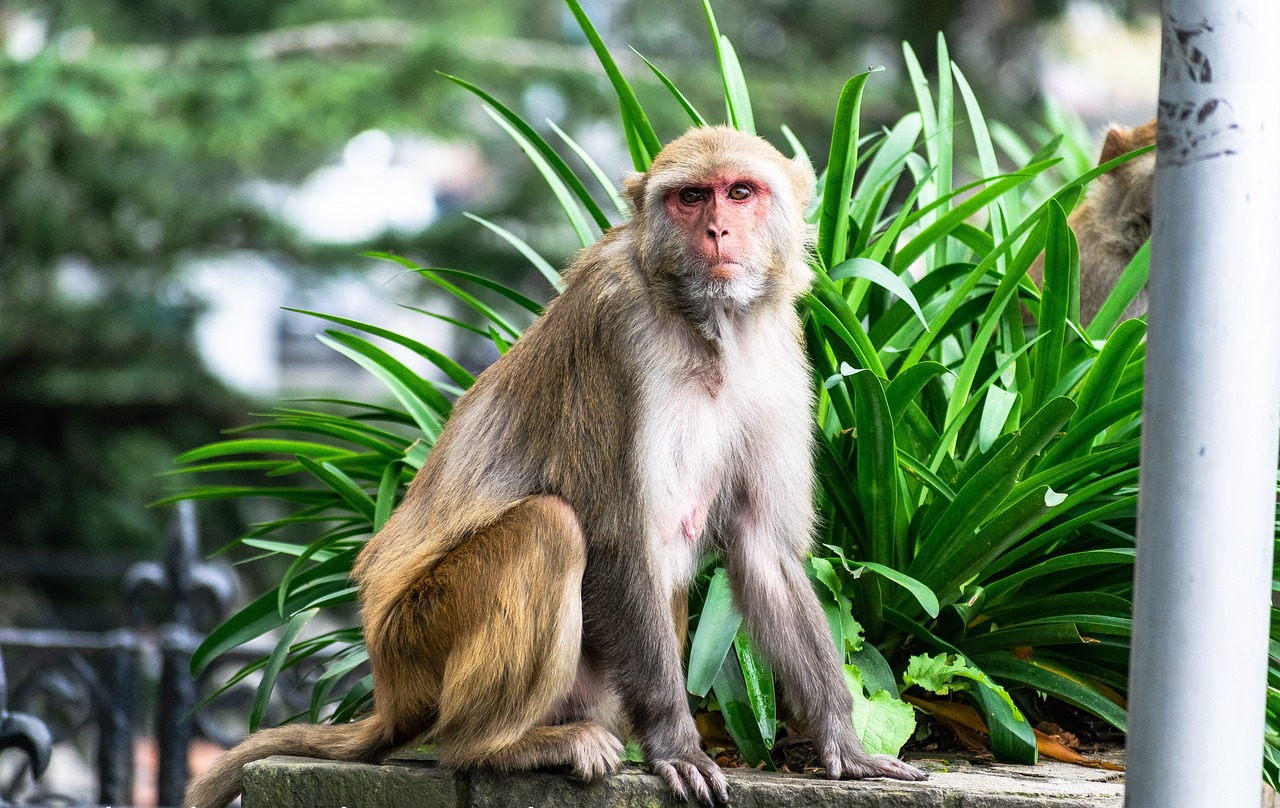
Vincent Savolainen and colleagues studied the behaviour of semi-wild rhesus macaques on the island of Cayo Santiago in Puerto Rico, from a population with long-term demographic records. The authors observed mounting behaviours in 236 male rhesus macaques from 2017 to 2020. They found that same-sex mounting was more frequently observed than different-sex mounting: 72% of males sampled engaged in same-sex mounting versus 46% for different-sex mounting. Individuals with greater same-sex sexual behaviour spent more time in social contact with other individuals and mounting pairs were more likely to form coalitions. Although a trade-off between same-sex sexual behaviour and reproduction has previously been assumed, the authors found a positive trend between same-sex sexual behaviour activity and reproduction. Same-sex sexual behaviour also emerged to be heritable to some degree (6.4%; calculated using long term pedigree data) and, as such, capable of evolving.
The authors urge caution in extrapolating their results to other populations and species, but argue that these findings challenge the belief that same-sex sexual behaviour is either rare in non-human animals or is solely the product of unusual environmental conditions.
Attachments
Note: Not all attachments are visible to the general public. Research URLs will go live after the embargo ends.


