 Sign In



 International
News release
From:
People with lung conditions face extra risks from climate change
Respiratory experts call for lower limits on air pollution
People living with lung conditions, such as asthma and chronic obstructive pulmonary disease (COPD), face even greater risks from climate change, according to an expert report published today (Monday) in the European Respiratory Journal[1].
The report brings together evidence on how the effects of climate change, such as heatwaves, wildfires and flooding, will exacerbate breathing difficulties for millions of people around the world, particularly babies, young children and the elderly.
On behalf of the European Respiratory Society, which represents more than 30,000 lung specialists from 160 countries, the authors are calling on the European Parliament and governments around the world to urgently reduce emissions of greenhouse gasses and mitigate effects of climate change.
Professor Zorana Jovanovic Andersen, Chair of the European Respiratory Society’s Environment and Health Committee and based at the University of Copenhagen, was an author of the report, ‘Climate change and respiratory health: a European Respiratory Society position statement’.
She said: “Climate change affects everyone’s health, but arguably, respiratory patients are among the most vulnerable. These are people who already experience breathing difficulties and they are far more sensitive to our changing climate. Their symptoms will become worse, and for some this will be fatal.
“Air pollution is already damaging our lungs. Now the effects of climate change are becoming a major threat to respiratory patients.”
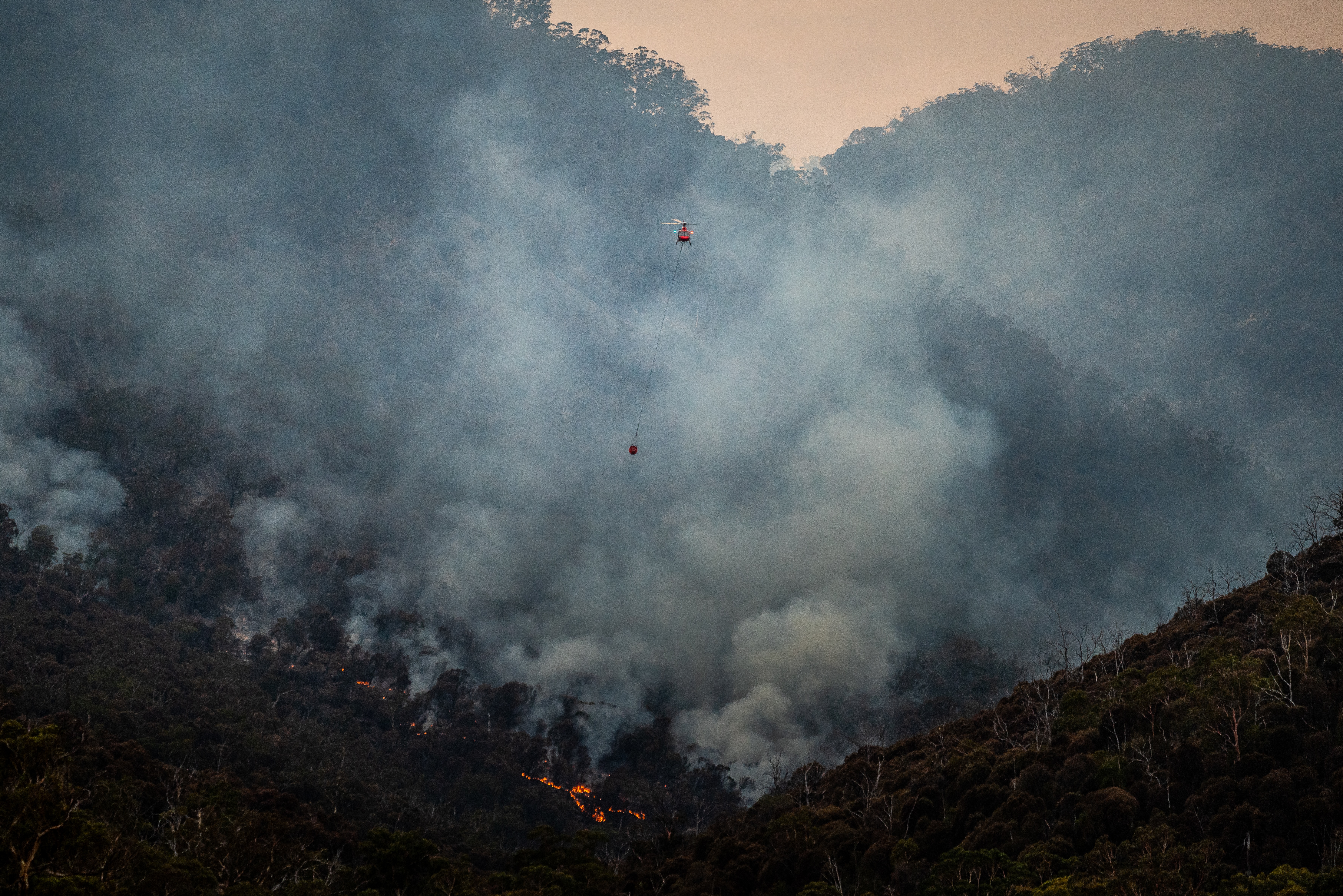
According to the report, these effects include higher temperatures and a subsequent increase in airborne allergens, such as pollen. They also include more frequent extreme weather events such as heatwaves, droughts and wildfires, leading to episodes of extreme air pollution and dust storms, as well as heavy rainfall and flooding, leading to higher humidity and mould in the home.
The report particularly highlights the extra risk to babies and children, whose lungs are still developing.
This year, new records have been set for high temperatures around the world, and Europe has experienced heatwaves, devastating wildfires, rainstorms and flooding.
“As respiratory doctors and nurses, we need to be aware of these new risks and do all we can to help alleviate patients’ suffering,” Professor Jovanovic Andersen said. “We also need to explain the risks to our patients so they can protect themselves from adverse effects of climate change.”
Existing European Union (EU) standards on air quality are well above those laid out in the World Health Organization (WHO) Air Quality Guidelines (25 micrograms per cubic meter for fine particles [PM2.5] and 40 micrograms per cubic meter for nitrogen dioxide in the EU compared to 5 micrograms per cubic meter for PM2.5 and 10 micrograms per cubic meter for nitrogen dioxide in the WHO guidelines). However, the EU is currently revising its Ambient Air Quality Directive.
Professor Jovanovic Andersen said: “The current limits are outdated and fail to protect the health of EU citizens. Ambitious new air quality standards would ensure cleaner air and better health for all Europeans, as well as helping to mitigate climate change crises. We urge the European Parliament to adopt and enforce safer limits without delay.
“We all need to breath clean, safe air. That means we need action from policy makers to mitigate impacts of climate change on our planet and our health.”
The European Respiratory Society (ERS) has developed its own sustainability policy, including initiatives to reduce greenhouse gas emissions. For example, in 2022 the ERS began measuring its carbon emissions to provide a benchmark for improvement. The ERS is also aligning its strategies and policies to the United Nation’s Sustainable Development Goals.
Attachments
Note: Not all attachments are visible to the general public. Research URLs will go live after the embargo ends.


