 Sign In



 Australia; NSW
News release
From:
The discovery of extremely high levels of pollution at the bottom of two of the Earth’s deepest oceanic trenches is a disturbing development that highlights the far-reaching impact of human activities, according to UNSW marine ecologist Dr Katherine Dafforn.
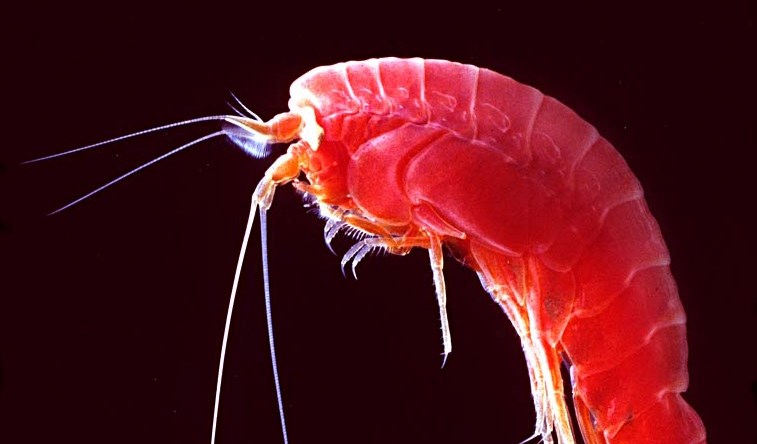
A study by an international team of researchers published today in the journal Nature Ecology and Evolution found that tiny marine crustaceans collected from up to 10 kilometres below the ocean surface contained levels of persistent organic pollutants similar to those in in highly industrialised areas.
In a commentary on the study in the journal, Dr Dafforn says the researchers “have provided clear evidence that the deep ocean, rather than being remote, is highly connected to surface waters and has been exposed to significant concentrations of human-made pollutants.”
She adds: “Their results are disturbing. Concentrations of PCBs (polychlorinated biphenyls) and PBDEs (polybrominated diphenyl ethers) in these tiny crustaceans were 50 times greater than in crabs from a highly polluted river system in China.
“This is significant since the trenches are many miles away from any industrial source and suggests that the delivery of these pollutants occurs over long distances despite regulations since the 1970s," says Dr Dafforn, who was not a member of the study team.
The study researchers, led by Dr Alan Jamieson of the University of Aberdeen in Scotland, used deep-sea landers to collect the scavenging amphipod crustaceans from the depths of the Mariana Trench in the North Pacific Ocean and the Kermadec Trench in the South Pacific Ocean.
They suggest the pollutants most likely found their way to the trenches through contaminated plastic debris and carrion sinking to the bottom of the ocean, where they were then consumed by the amphipods.
PCBs and PBDEs are commonly used as dielectric fluids and flame retardants, respectively. These chemicals accumulate in fatty tissue and are highly detrimental to the health of organisms, due to their endocrine-disrupting properties and impact on the immune system.
Expert Reaction
These comments have been collated by the Science Media Centre to provide a variety of expert perspectives on this issue. Feel free to use these quotes in your stories. Views expressed are the personal opinions of the experts named. They do not represent the views of the SMC or any other organisation unless specifically stated.
Dr Katherine Dafforn is Senior Research Associate and marine ecologist at the University of New South Wales. She is the author of a News and Views article on this research
Deep ocean trenches have been considered fairly isolated from human impacts. It is therefore alarming to find evidence of industrial chemicals occurring in animals from trenches that reach > 10,000 m beneath the ocean's surface.
These chemicals don’t naturally occur in the environment and many have been regulated or eliminated since the 1970s. This highlights the pervasive and persistent problem of these types of chemicals.
How the chemicals arrived in these trenches and how they might affect the animals living there needs further investigation. Certainly, the technology now available to explore these remote underwater habitats could open more windows of understanding for the deep ocean.
