 Sign In



 New Zealand
News release
From:
Professor Eric Pawson at the University of Canterbury, the author of this paper, comments:
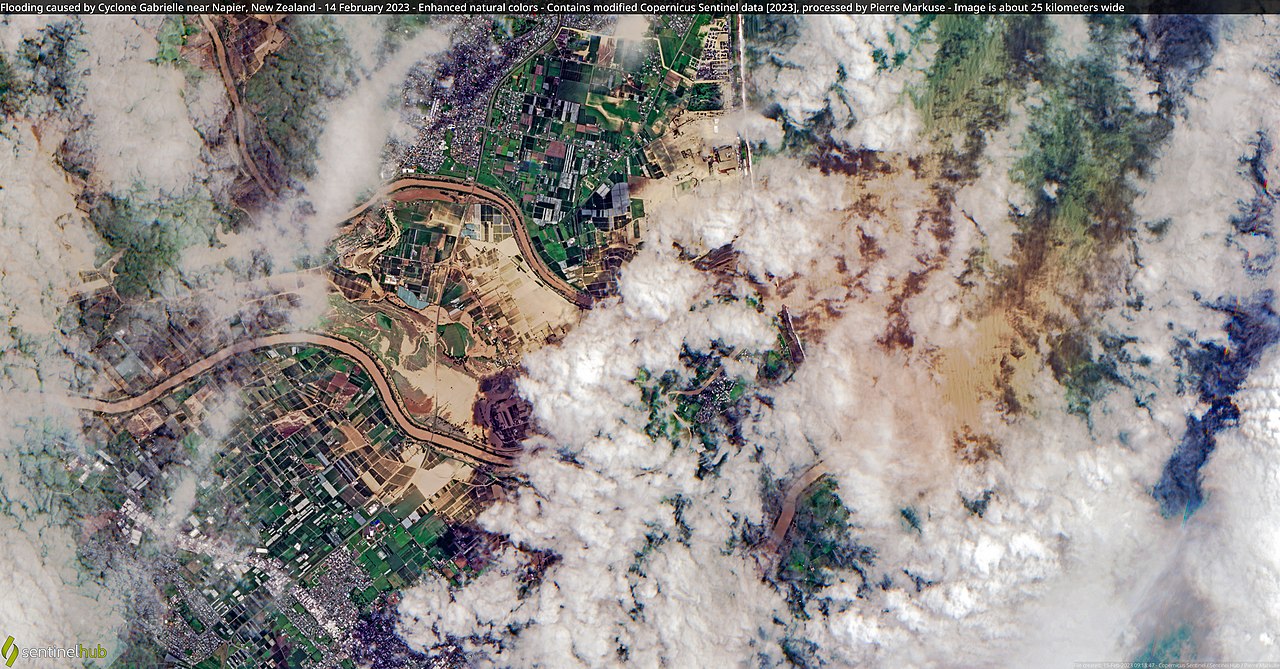
"In the wake of Cyclone Gabrielle in 2023, I became interested in why extreme environmental events always seem to surprise us. Three years later, perhaps they surprise us less, as they are becoming so frequent. But this has always been a country that’s subject to many environmental hazards, although historically its settler population seems to have imagined it is as being as stable as Europe. Consequently we have often built our towns and infrastructure in risky places, and an illusion of control often makes them riskier still: if people believe a flood scheme will work for example, then more people and assets are attracted to that place.
"This situation is now becoming serious with climate change, which seems to be supercharging extreme events like storms: leading to increased intensity and frequency of multi-hazards such as floods, sea surge and landslips. Some vulnerable places are working hard to adapt to this situation: examples in the paper include the Christchurch red zone, the South Dunedin Future project and the Westport Master Plan. Perhaps the biggest driver of adaptation will be the property insurance industry, not only through retreat but also by making insurance conditional on adaptive behaviours, as health insurers have long done."
Expert Reaction
These comments have been collated by the Science Media Centre to provide a variety of expert perspectives on this issue. Feel free to use these quotes in your stories. Views expressed are the personal opinions of the experts named. They do not represent the views of the SMC or any other organisation unless specifically stated.
Associate Professor Dan Hikuroa, Te Wānanga o Waipapa, University of Auckland
"Some of Aotearoa’s rivers must be allowed to behave naturally — to shift, flood, and regenerate — rather than being forced into narrow, engineered channels. In my recent article in e-tangata I describe how a European ‘command‑and‑control’ mindset has ‘strangled’ rivers, buried streams, and created 'zombie rivers' devoid of life. Flooding is often just a river trying to reclaim its natural space.
"The solution lies partly in mātauranga Māori, which offers a deeper, long‑term understanding of river behaviour. Māori see waterways as ancestors and living beings — “we are the river, and the river is us” — a worldview that treats rivers as taonga rather than resources to be controlled. Pūrākau, including stories of taniwha, encode generations of environmental knowledge about flood and associated landslide risks, and are now being recognised in national climate risk assessments.
"As part of the Let the River Speak research team, I advocate considering “giving the river room to move,” a strategy already adopted overseas, and urge Aotearoa to rethink development on floodplains. Future planning should begin with what the river itself wants to do. My core message: understand your river, listen to its history, and make decisions that respect its voice."

