 Sign In



 Australia; QLD
News release
From:
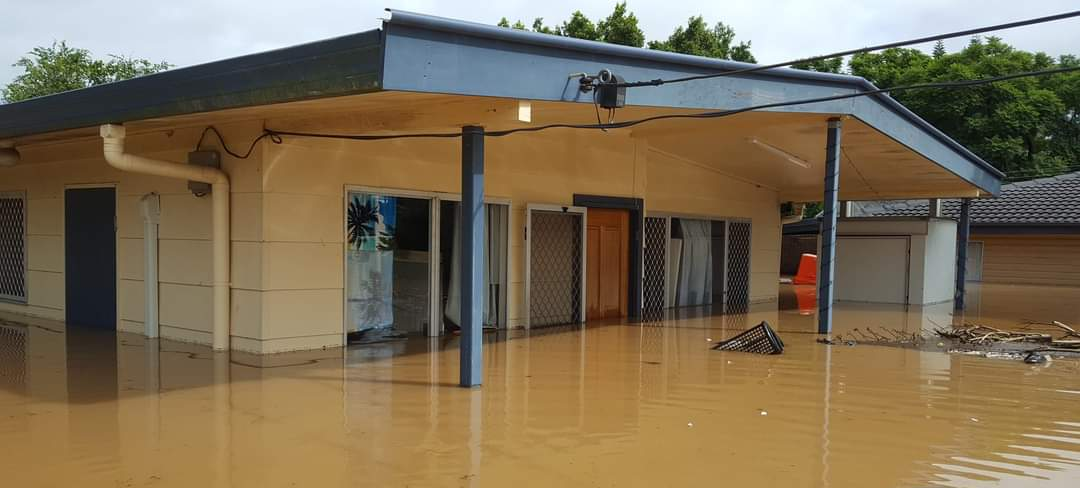
An independent evaluation has found the $741 million Queensland Resilient Homes Fund (RHF) — a first-of-its-kind housing resilience recovery program improved flood resilience and supported recovery for thousands of homeowners across 39 local government areas following the 2021–2022 Southern Queensland floods. The floods caused widespread damage and had an estimated total cost of $7.7 billion to Queensland.
Lead researcher Prof Paula Jarzabkowski from The University of Queensland said the evaluation highlighted the RHF’s significant contribution to flood recovery and resilience, sharing findings from the research at the annual AFAC26 conference in Melbourne next week.
“The RHF provided significant support to increase the flood resilience of thousands of Queensland homes through Voluntary Home Buy-Back, Home Raising and Resilient Retrofit,” Prof Jarzabkowski said.
Jointly funded (50:50) by the Australian and Queensland Governments under the Disaster Recovery Funding Arrangements (DRFA), the RHF offered homeowners three voluntary interventions to build their flood resilience: Voluntary Home Buy-Back, Home Raising, and Resilient Retrofit.
As at 8 December 2025, the program received 6,558 Registrations of Interest, with 685 Voluntary Home Buy-Back contracts settled, 341 Home Raising grants completed and 805 Resilient Retrofit grants completed.
“Increasing flood resilience is challenging because no two homes or homeowners are the same,” Prof Jarzabkowski said.
The evaluation, led by the University of Queensland and University of Melbourne for Natural Hazards Research Australia and the Queensland Reconstruction Authority, found the RHF was an effective recovery program, with many beneficiaries reporting improved confidence in their home’s resilience.
The evaluation found the RHF achieved its objectives of helping homeowners better understand their flood risk, implement practical resilience measures and support community recovery. It also found the program is likely to contribute to reduced future response and reconstruction costs, although this will require longer-term monitoring as works are completed and future flood events occur.
“Many homeowners were making complex, life-changing decisions while still recovering from the impacts of flooding,” Prof Jarzabkowski said.
“Programs like the RHF need to recognise that people have different levels of capacity, support and confidence when navigating these choices.”
Key learnings include:
- delivery became more homeowner-centred over time, with case management and one-to-one technical support helping homeowners navigate complex decisions and support grant uptake
- homeowner circumstances — including financial capacity, language, digital access and social support — shaped people’s ability to participate and progress
- program staff, service navigators and builders played essential roles in helping homeowners move through the process
- future programs could be delivered more efficiently by retaining templates, systems and guidance developed through the RHF.
“A program like the RHF needs to be responsive to these differences, especially for those who face challenges. Service navigators were absolutely key to supporting equitable delivery,” Prof Jarzabkowski said.
The research team recommends future disaster recovery and resilience programs build on the systems, data, guidance and delivery lessons developed through the RHF, rather than starting from scratch after each disaster. This includes making better use of existing flood, property and local government data.
“It is absolutely critical that we learn from this significant investment, including how to deliver programs effectively, at scale, and equitably,” Prof Jarzabkowski said.

