 Sign In



 Australia; NSW
News release
From:
How to survive in the abyss: Secrets of deep-sea sponges
Deep beneath the ocean surface, where sunlight never reaches and food is scarce, vast gardens of deep-sea sponges are quietly thriving.
Now, a team led by UNSW researchers has uncovered some of the hidden microbial strategies helping them survive in one of Earth’s harshest environments.
Published in the journal Microbiome, the study found deep-sea sponges rely on a sophisticated partnership with microbes that recycle waste products and extract nutrients from hard-to-digest organic debris drifting down from surface waters.
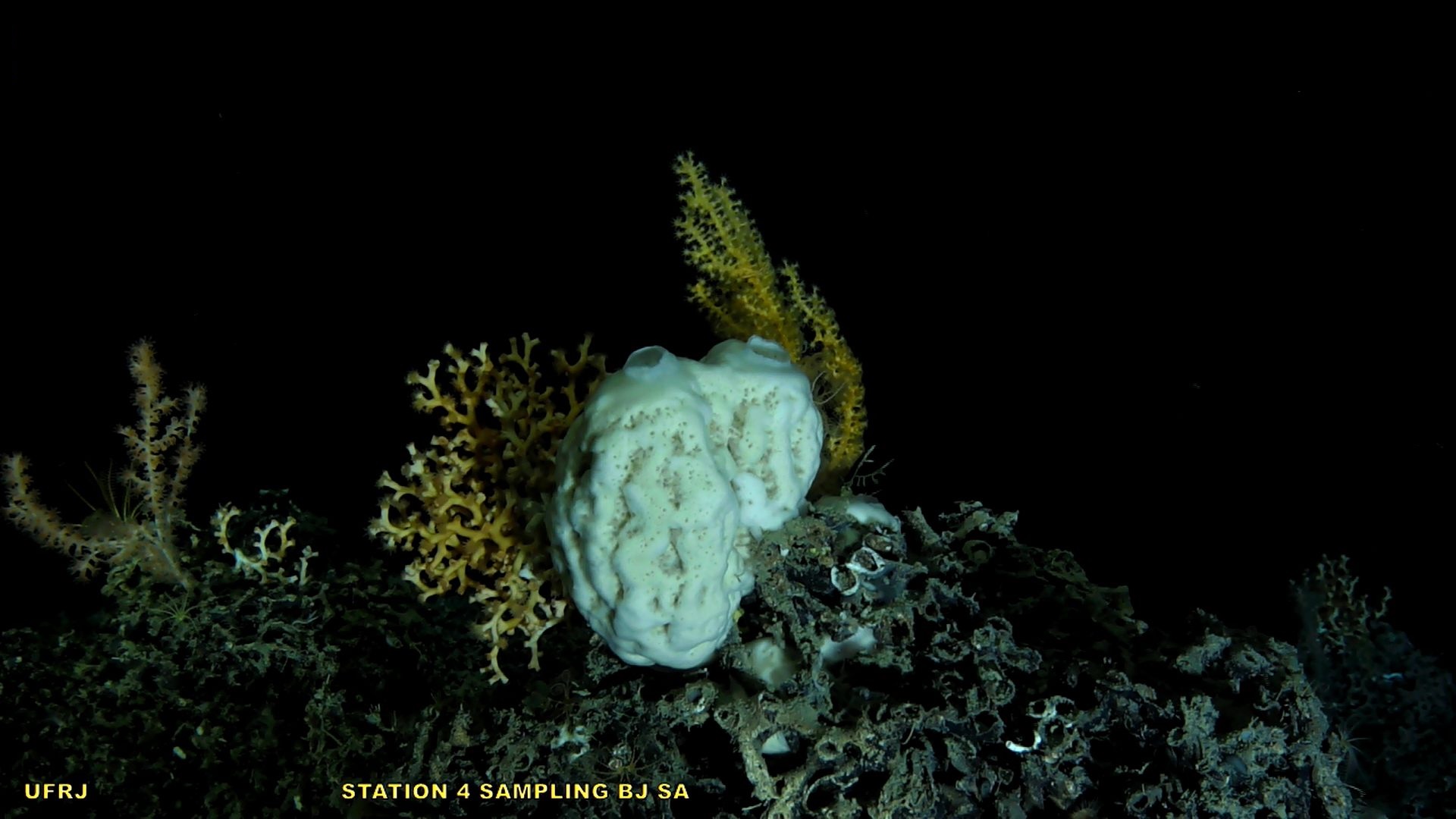
The international research team studied Calyx sponges collected from depths of more than 800 metres off the coast of Brazil. They discovered the sponge microbiome uses two complementary survival strategies.
Some microbes generate energy through chemosynthesis, using ammonia produced by the sponge itself, like photosynthesis but without sunlight.
Others specialise in breaking down tough compounds found in the cell walls of dead algae that sink through the water column.
“Our study shows that sponges and their microbial partners are complex, biogeochemical reactors,” researcher Alessandro Garritano – who did the work at UNSW – says.
“The biomass they create then supports the growth of other organisms, such as brittle stars and fish, in turn supporting the broader community of animals living on the dark seafloor.”
The findings help explain how deep-sea sponge gardens can persist across enormous stretches of the seafloor despite living in cold, permanently dark and nutrient-poor conditions.
These sponge ecosystems provide habitat for many other marine organisms and play an important role in deep-ocean nutrient cycling.
The researchers say the work also highlights how little is still known about life in the deep sea, particularly as human activities such as deep-sea trawling and seabed mining place growing pressure on these fragile ecosystems.
The United Nations has recognised deep-sea sponge grounds as vulnerable marine ecosystems, but scientists warn many remain poorly understood and largely unprotected.
“Recognition alone isn’t enough to protect these delicate creatures and the ecosystems they help to create,” Dr Garritano says.

