 Sign In



 Australia; New Zealand; International
News release
From:
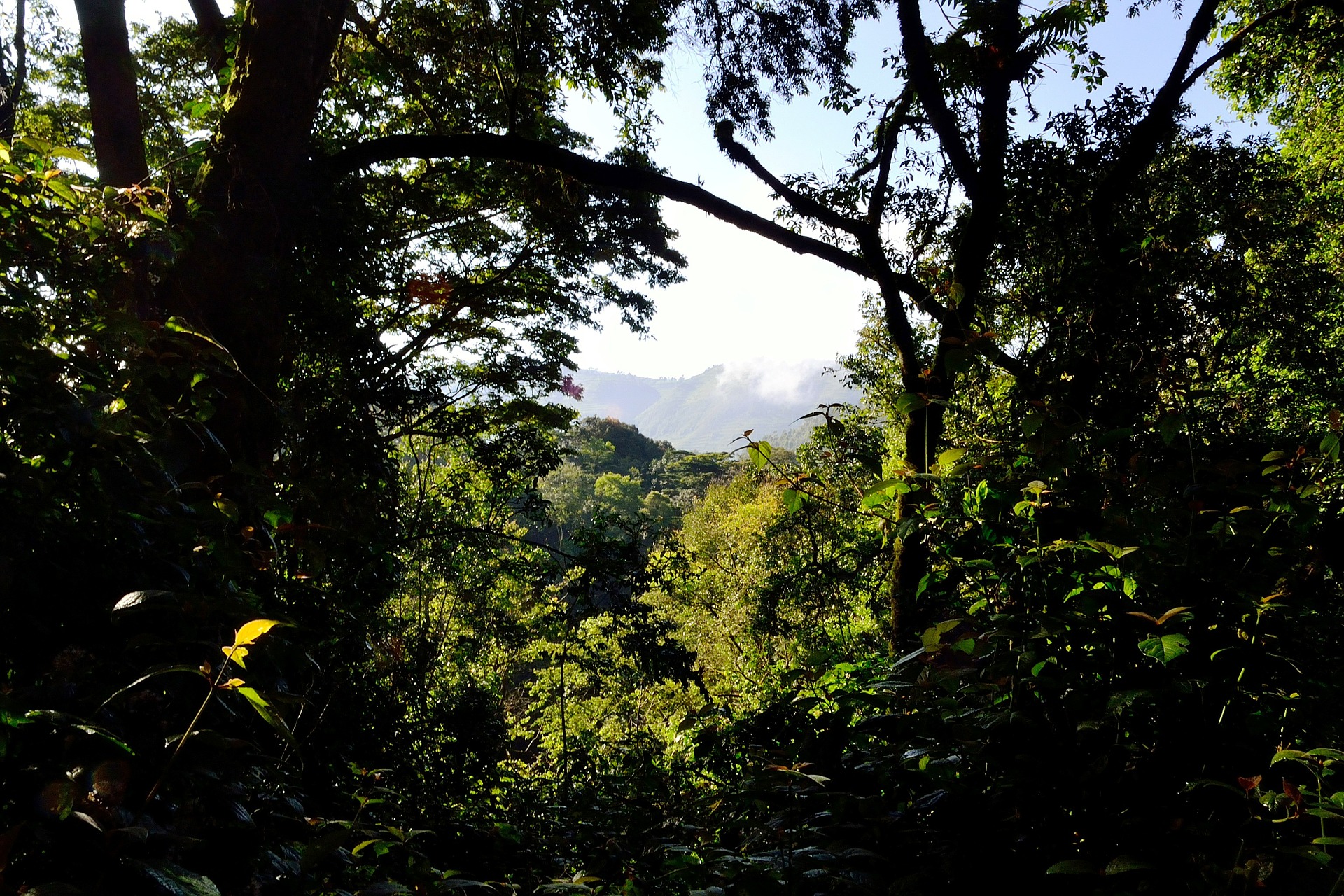
Tropical forests at high altitudes, known as montane forests, in Africa store two-thirds more carbon in trees than current Intergovernmental Panel on Climate Change (IPCC) estimates suggest, reports a study published in Nature. Montane forests are threatened by deforestation, with 0.8 million hectares (5%) lost in Africa since 2000. The findings may help inform regional conservation efforts to preserve these carbon stores.
Less carbon is thought to be stored above ground in tropical montane than in lowland (lower altitude) forests because of climatic and soil changes, with increased elevation affecting how much carbon can be taken on. Aida Cuni-Sanchez and colleagues collated and analysed findings on carbon stored above ground (tree above the soil) across 44 montane sites in 12 African countries. They find that the carbon stored on average at the tropical montane forest sites is 149.4 tonnes of carbon per hectare, two thirds more than IPCC estimates (89.3 tonnes of carbon per hectare). The levels of carbon stored were found to be comparable to those at African lowland forest sites.
These findings may help policy makers to better understand the potential carbon losses which occur with deforestation and the importance of conserving tropical montane forests, according to the authors.
Attachments
Note: Not all attachments are visible to the general public. Research URLs will go live after the embargo ends.


