 Sign In



 International
News release
From:
1. Palaeontology: Fossil burrows point to colonization of ancient seafloor by giant marine worms *IMAGES*
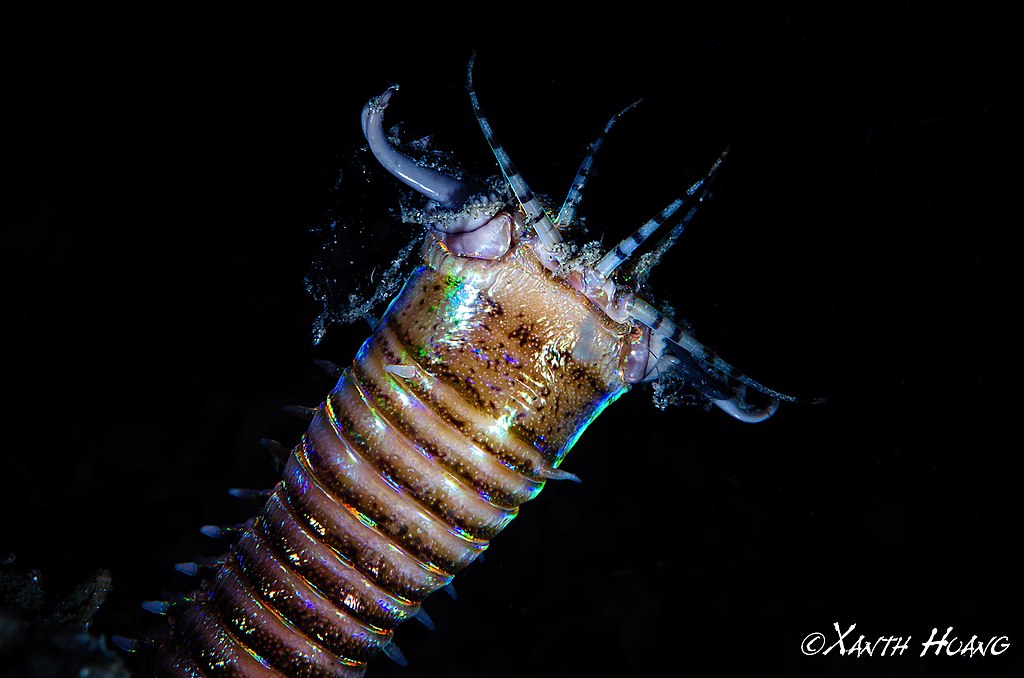
Giant ambush-predator worms, possible ancestors of the ‘bobbit worm’, may have colonized the seafloor of the Eurasian continent around 20 million years ago. The findings, based on the reconstruction of large, L-shaped burrows from layers of seafloor dating back to the Miocene (23 million to 5.3 million years ago) of northeast Taiwan, are presented in Scientific Reports this week.
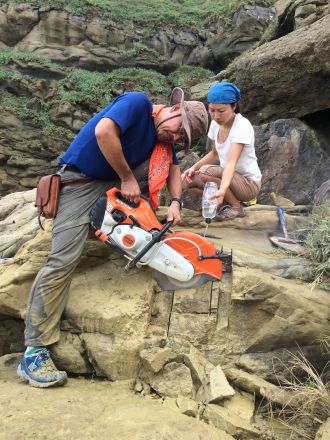
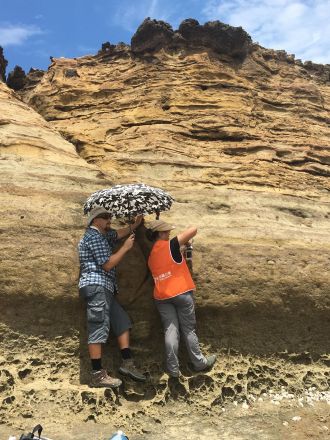
Ludvig Löwemark and colleagues reconstructed a new trace fossil, which they name Pennichnus formosae, using 319 specimens preserved within layers of seafloor formed during the Miocene era across northeast Taiwan. Trace fossils are geological features such as burrows, track marks and plant root cavities preserved in rocks, which allow for conclusions to be drawn about the behaviour of ancient organisms. The trace fossil consists of an L-shaped burrow, roughly 2 metres in length and 2–3 centimetres in diameter.
The morphology of Pennichnus suggests the burrows were likely inhabited by giant marine worms, such as the bobbit worm (Eunice aphroditois), which are still found today. Bobbit worms hide in long, narrow burrows within the seafloor and propel upwards to grab prey. The authors suggest that the retreat of an ancient worm and its prey into the sediment caused distinct feather-like collapse structures preserved in Pennichnus formosae, which are indicative of disturbance of the sediment surrounding the burrow. Further analysis revealed a high concentration of iron towards the top section of the burrow. The authors suggest this may indicate that the worm re-built its burrow by secreting mucus to strengthen the burrow wall, as bacteria which feed on mucus produced by marine invertebrates are known to create iron-rich environments.
Although marine worms have existed since the early Palaeozoic, their bodies comprise mainly of soft tissue and are therefore rarely preserved. The trace fossil presented in the study is thought to be the first known fossil of this type produced by a sub-surface ambush predator. It provides a rare glimpse into these creatures’ behaviour beneath the seafloor.
Multimedia

Attachments
Note: Not all attachments are visible to the general public. Research URLs will go live after the embargo ends.


