 Sign In



 International
News release
From:
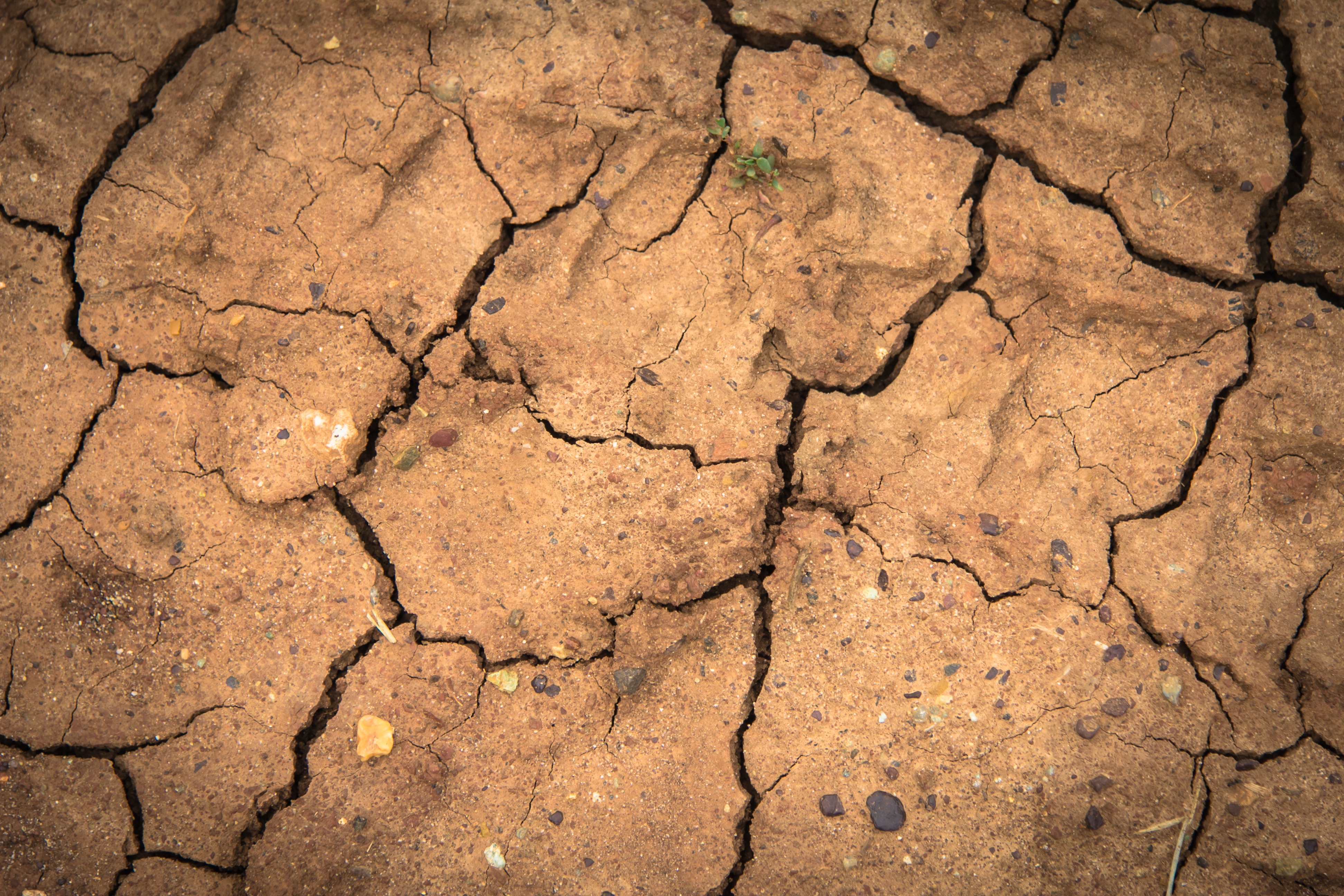
Simultaneous episodes of extreme heat and drought — typical of a moderate warming scenario predicted for the end of the 21st century — could occur earlier and repeatedly in Europe, reports a study published in Communications Earth & Environment. The study suggests that there is a greater than ten percent chance of two successive years of end-of-century extreme heat occurring by 2050 to 2075, while five-year long European megadroughts may also occur.
Climate change is leading to more frequent occurrences of simultaneous extreme weather and climate events — such as drought, heatwaves, floods, or fires — that can cause severe socio-economic damage. Additionally, it is not clear how increase variability in the North Atlantic system may affect these extreme events in Europe.
Laura Suarez-Gutierrez and colleagues investigated how soon end-of-century heat and drought stress could occur in Europe — and the role North Atlantic variability over the decades may play — under a moderate climate scenario that leads to warming of approximately 2.25°Celcius by the end of the century. The authors used a range of metrics of single and compound heat stress and drought extremes and a set of 100 simulations from the Max Planck Institute Grand Ensemble climate model.
The authors found that the probability that single and compound end-of-the-century extreme heat stress and drought events will occur repeatedly year after year is greater than 1 in 10 by 2050 – 2074. All forms of heat stress (when air is hot and moist during the day or hot during the night) could already reach a probability of 1 in 10 by 2030 – 2039. Additionally, above-average sea surface temperatures in the North Atlantic will contribute to dry and hot conditions in Europe. The authors calculate that end-of-century temperatures will be twice as likely in decades from 2030 under these conditions.
The authors conclude that North Atlantic climate variability could increase the frequency of multi-year periods of extreme heat and drought in Europe and that preparedness for such devastating events must increase.
Attachments
Note: Not all attachments are visible to the general public. Research URLs will go live after the embargo ends.


