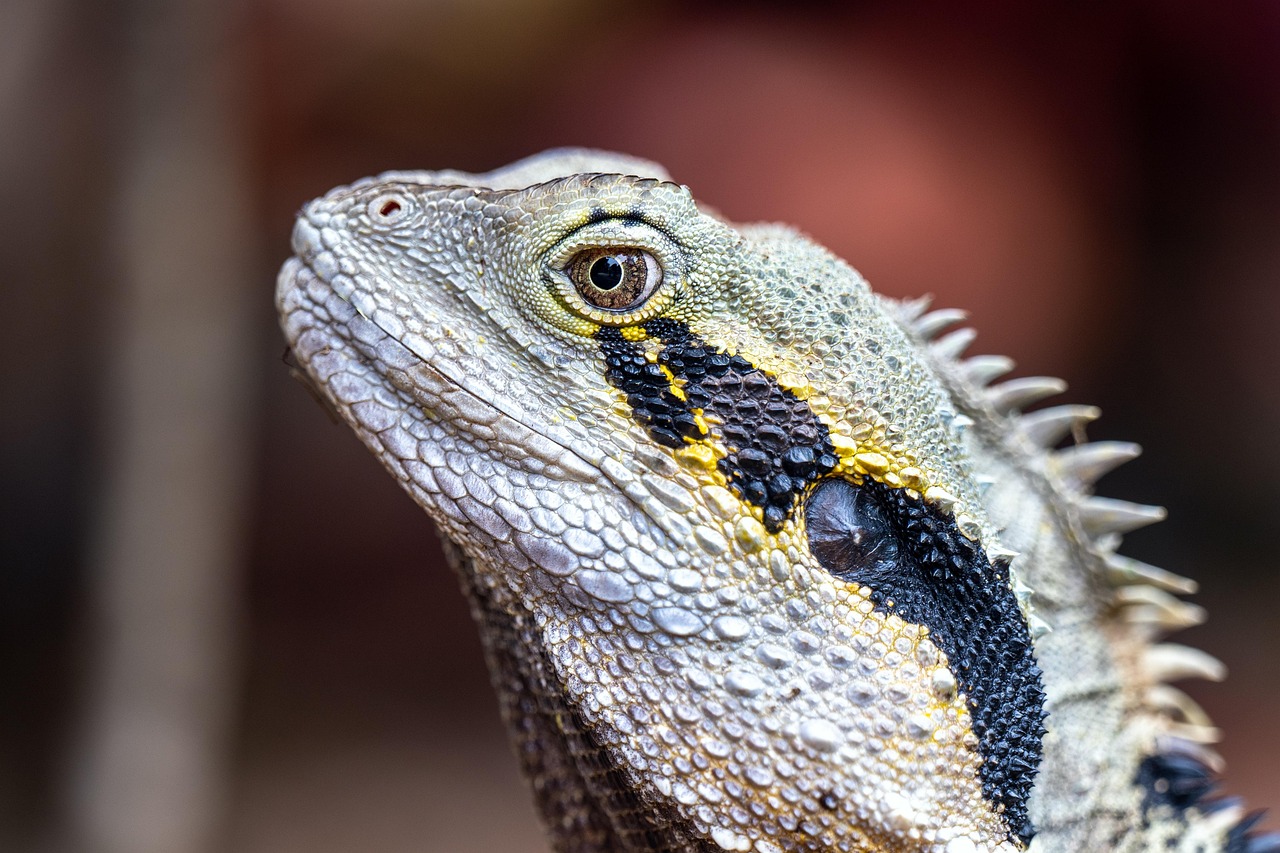
Emerging fungus that attacks reptiles tends not to pass directly between Brisbane's eastern water dragons

Publicly released:
Australia; QLD
CC-0. Story by Dr Joe Milton, Australian Science Media Centre

Australian experts say the emerging disease-causing fungus Nannizziopsis barbatae tends to infect eastern water dragons (Intellagama lesueurii) because it's present in the environment, rather than being passed directly from dragon to dragon. The team collected data from long-term monitoring of a population of the dragons at the Roma Street Parklands in Brisbane. They then used the data to create computer simulations of how the fungus has spread in these dragons, finding it is not being passed directly between the reptiles, and that they're being infected indirectly, or picking it up from their surroundings. The findings show N. barbatae could pose a risk for Australia's reptiles, and they may be useful in managing any outbreaks, the scientists say.

News release

From: The Royal Society

Indirect pathogen transmission underlies an emerging infectious fungal disease outbreak in a wild reptile population

Fungal diseases pose a significant threat to wildlife, agricultural industries, and human health. Uncovering the mechanisms by which diseases spread infection can aid in managing outbreaks and reducing impacts. Here we investigate the transmission mechanism of a recently emerged wildlife fungal pathogen that poses a large risk to Australian reptiles, in a well-studied population of free-living eastern water dragons. We found that most infections come from fungus living freely in the environment, rather than from infected hosts spreading it to other dragons in the population. This finding has implications for how outbreaks of this pathogen can be effectively managed.

Attachments

Note: Not all attachments are visible to the general public. Research URLs will go live after the embargo ends.

Research The Royal Society, Web page The URL will go live at some point after the embargo ends
Journal/
conference:
Proceedings of the Royal Society B
Research:Paper
Organisation/s: The University of Queensland
Funder: No funding has been received for this article.
Media Contact/s
Contact details are only visible to registered journalists.