 Sign In



 New Zealand
News release
From:
Disabled parrot is undefeated alpha male of his group thanks to novel “beak jousting”
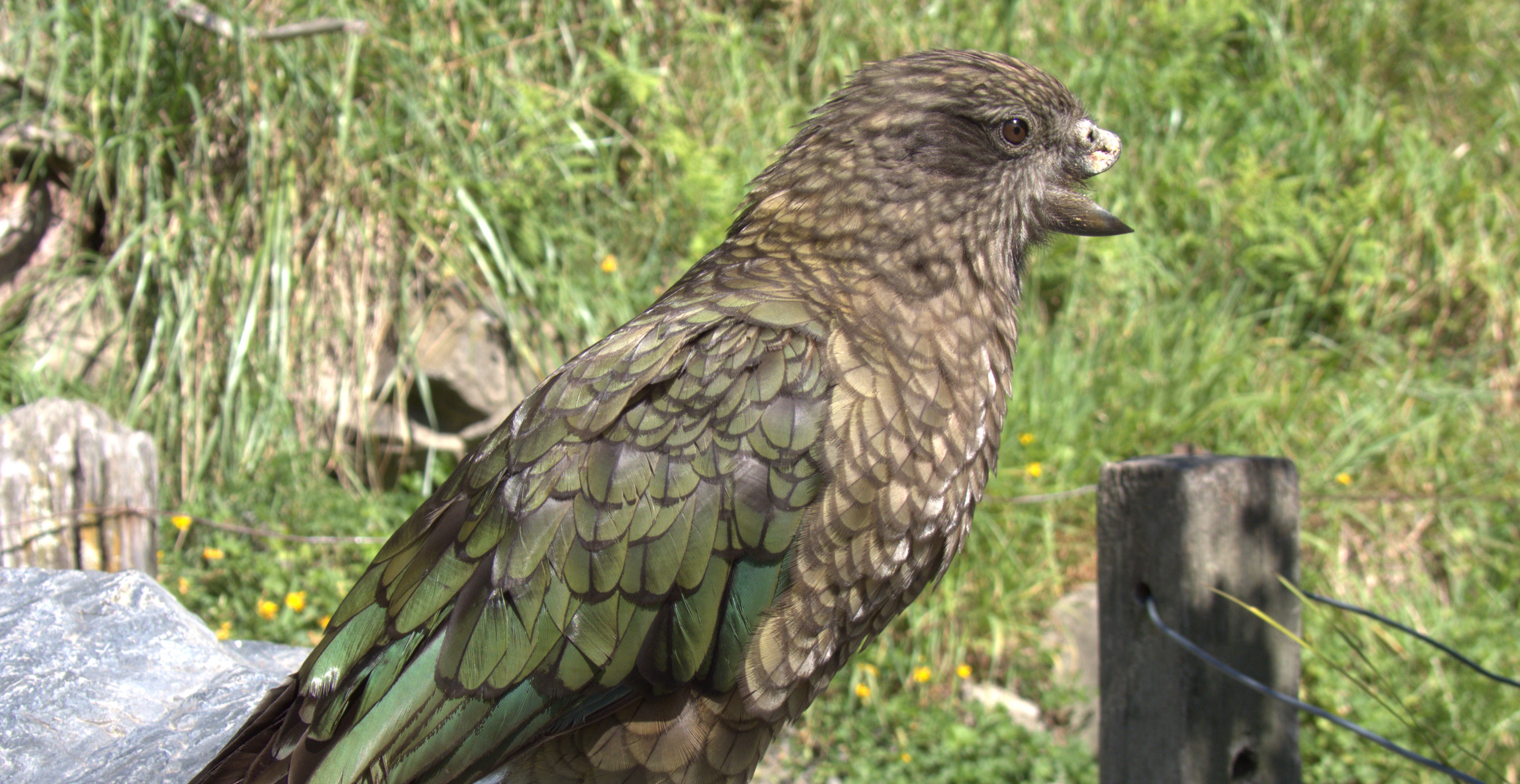
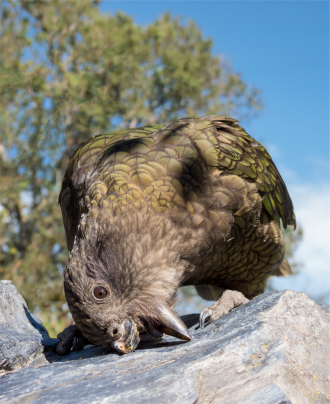
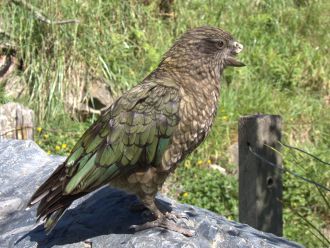
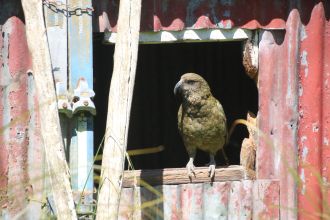
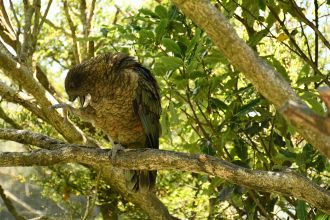
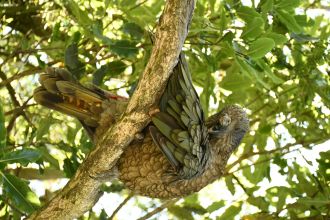
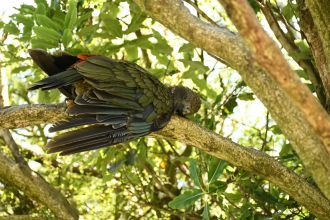
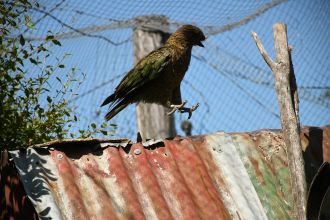
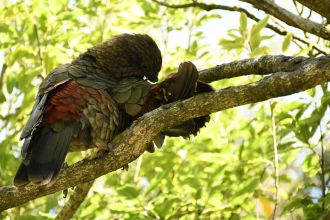
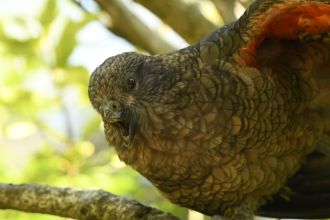
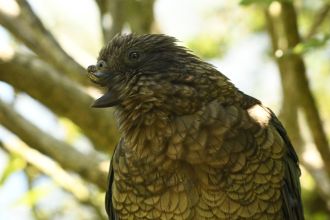
A study reported in the Cell Press journal Current Biology on April 20 shows how physical disabilities in the animal world can be overcome through behavioral innovation. The report features an endangered kea parrot in captivity at New Zealand’s Willowbank Wildlife Reserve named Bruce who is missing his entire upper beak. While earlier reports had described his unique use of pebbles as self-care tools, the new findings show how he uses a novel beak jousting technique to turn his disability into social dominance.
“Bruce is the alpha male of his group,” says study first author Alexander Grabham of Te Whare Wānanga o Waitaha | University of Canterbury (UC) in New Zealand. “He achieved this status by himself with the aid of a completely novel fighting technique—a jousting thrust with his exposed lower beak—that beak-intact kea cannot replicate.”
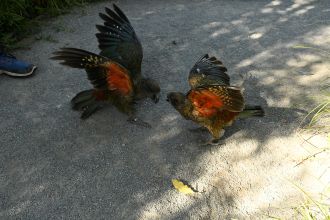
Compared to other kea using their beaks during fights, the researchers found that Bruce not only used jousting more frequently but also targeted different body areas in different ways. His jousting was also more effective than when he kicked. His innovative fighting technique led him to win every single male dominance interaction that the researchers recorded.
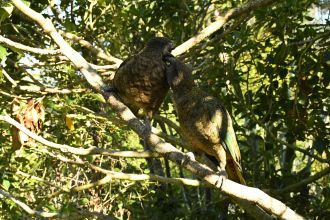
His winning record apparently led to other health benefits. Bruce had the lowest levels of corticosterone hormone metabolites levels, which is a sign of reduced stress compared to his peers. He enjoyed priority access to feeders and was the only male to be allopreened by other males, including beak cleaning.
Bruce had already earned some fame before, offering the first recorded case of self-care tool use in a kea. Grabham and colleagues noticed that Bruce fought other kea in a way they had never seen before. They wanted to learn more about what he was doing exactly and what it meant for his social position and the rest of his group.
Overall, the researchers have recorded 227 agonistic interactions from the Willowbank kea, including 9 males and 3 females. Out of 162 interactions between males, Bruce came out on top, winning all 36 interactions he was part of. The findings confirmed Bruce as the clear winner and dominant alpha male of the group.
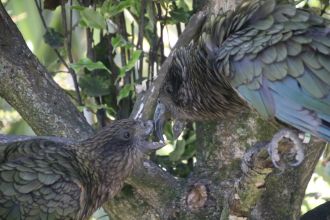
The researchers describe how he uses his exposed lower beak in jousting thrusts, both at close range and from afar. Bruce uses his beak up close by extending his neck. He also would run or jump to propel his beak at opponents. They found that 73% of the time, his jousting behaviors, which other parrots don’t replicate, displaced opponents immediately. Their observations show he dominates not only in agonistic interactions but also socially during feeding and allopreening.
The findings highlight the remarkable behavioral flexibility and intelligence of endangered kea. But they also have broader implications about physical disabilities and what’s possible, according to the researchers.
“Bruce shows us that behavioral innovation can help bypass physical disability, at least in species with the cognitive flexibility to develop new solutions,” Grabham says. “Previous research has shown links between large brains, behavioral flexibility, and survival at the species level. Bruce demonstrates how those links play out in a single individual, on traits that matter day-to-day, like social dominance. Our findings also raise an important welfare question: if a disabled animal can innovate its way to success, well-intentioned interventions like prosthetics might not always improve their quality of life. Sometimes the animal can do better without help.”
Multimedia

Attachments
Note: Not all attachments are visible to the general public. Research URLs will go live after the embargo ends.


