 Sign In



Attachments
Note: Not all attachments are visible to the general public. Research URLs will go live after the embargo ends.

 New Zealand
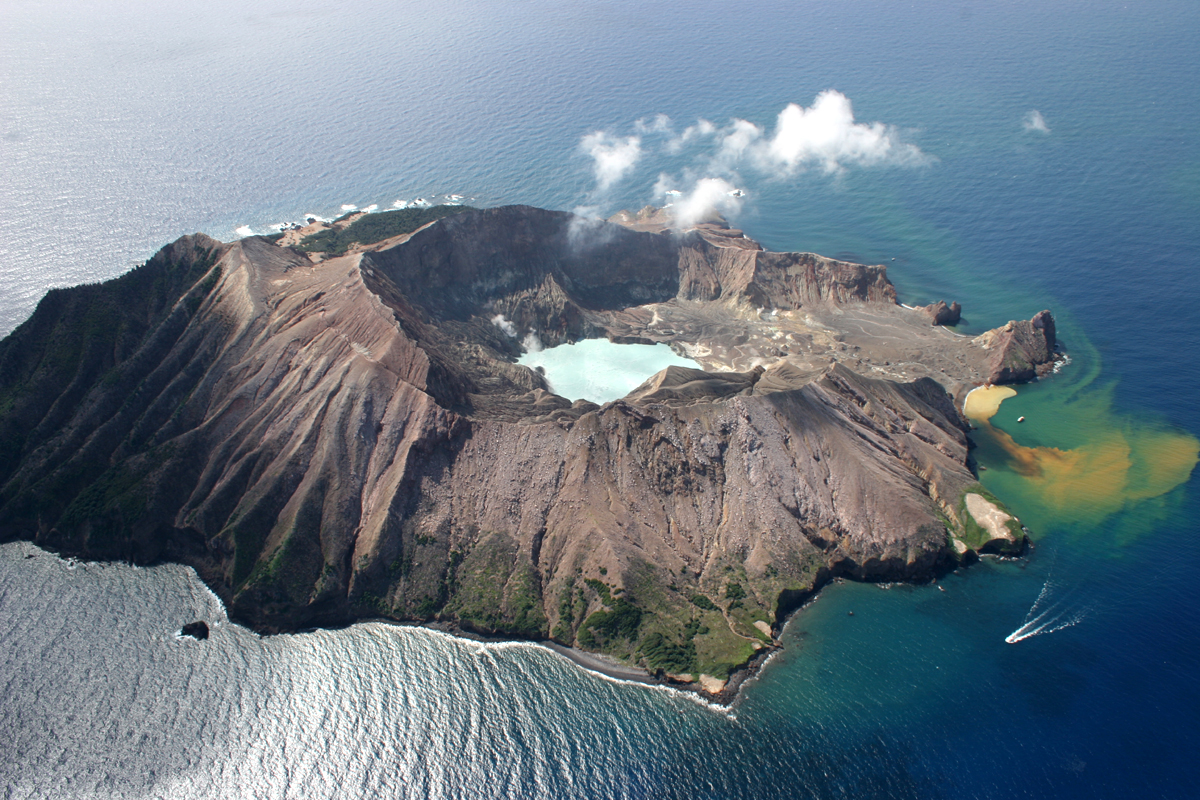
Volcanoes can erupt when trapped gases build pressure inside them, and new research at Whakaari/White Island shows how this happens even when gas seems to be escaping. Scientists have found patterns in 14 years of gas emissions suggesting that after fresh magma arrives deep under Whakaari, the gases rising from it meet water in the crater lake and start forming minerals, clogging the rock underneath. However, other paths still bring gas to the surface, hiding these blockages while pressure builds up leading to an eruption. Understanding such patterns will help us use volcano monitoring to identify shifts towards dangerous activity, the researchers say.
Note: Not all attachments are visible to the general public. Research URLs will go live after the embargo ends.

